

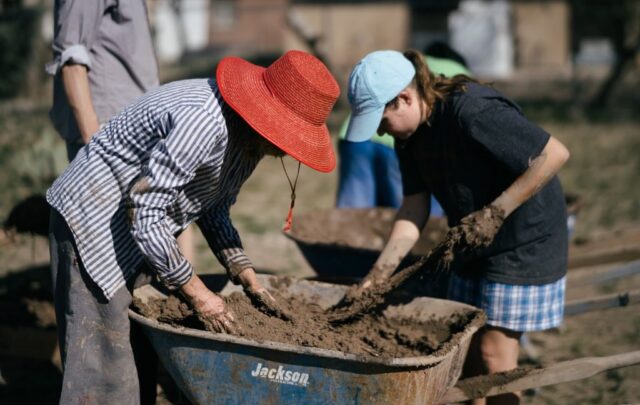
How an invasive weed could help Tucson rebuild from the ground up
An Arizona community’s plan to reuse an invasive weed to construct low-income housing shows that when we can’t pressure the top, we can rebuild from the bottom.
October 7, 2026
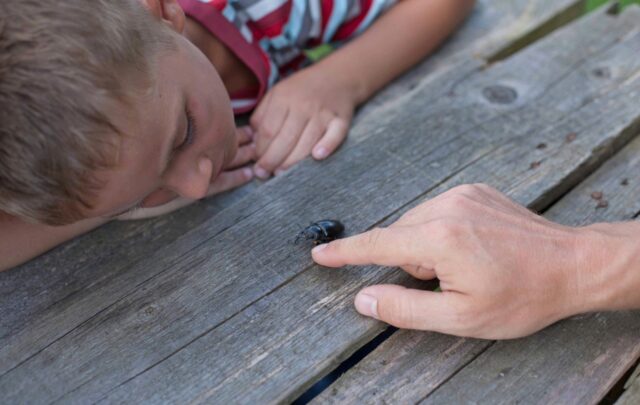
Learning to unlearn our baneful relationship with the natural world
How did we, as children, come to believe that banana spiders were ours to capture and kill? We thought nothing of the welfare of the insects.
October 7, 2026

Crazy Town: Episode 134. Finding Crazy Town Part 6: Facing the Future
What would it actually mean to live with less? Can we preserve the things we value most—health, human rights, cultural diversity, individual freedom—without preserving the system that created them?
October 7, 2026
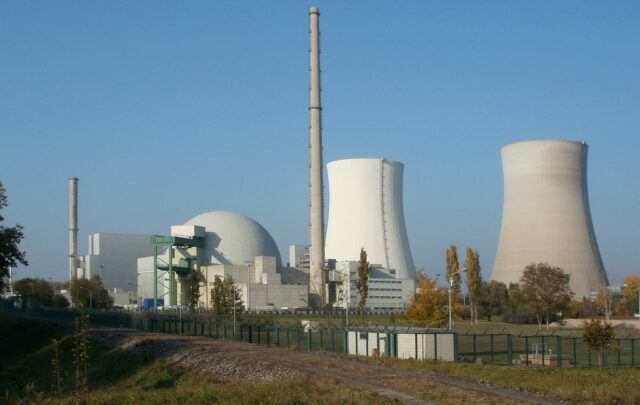
9,000-acre nuclear-powered data center proposed on public lands in Utah
The facility calls for 456 small nuclear reactors, nuclear fuel production and nuclear waste storage. On the same day it surfaced, Sen. Ron Wyden introduced legislation that would ban new data centers.
October 6, 2026

Trust is climate infrastructure: What Mauritius teaches us about building truly resilient communities
Communities that trust their institutions are more willing to participate, collaborate, adapt, and recover. Communities that do not trust them remain vulnerable, regardless of how much climate finance is mobilised.
October 6, 2026
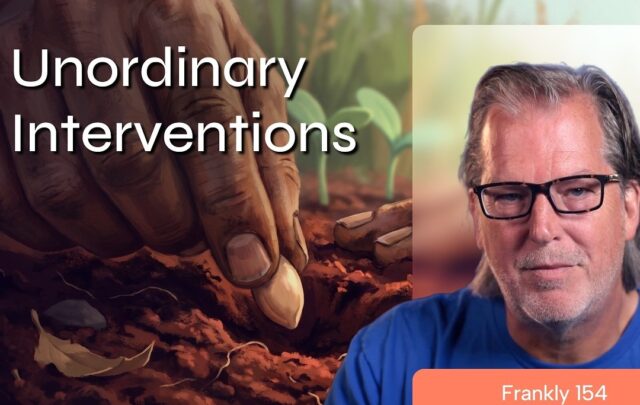
Unordinary Interventions: How to plant seeds for a better future
What can one person actually do about the metacrisis? In this week’s Frankly, Nate explicitly outlines just a few of the countless actions we can take to actually change what’s coming.
October 6, 2026
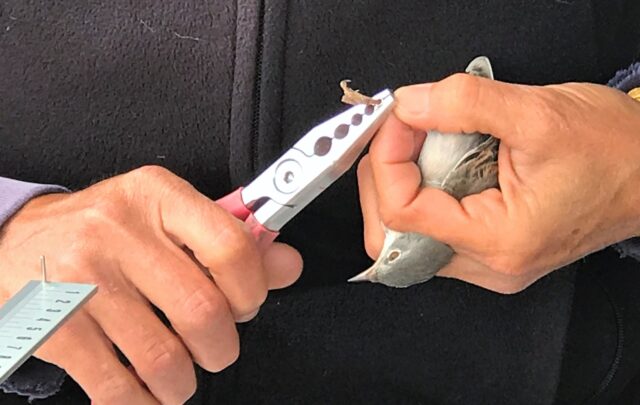
How the pursuit of science also serves modernity
Much of science is in the service of modernity, producing remarkable short-term advantages for humans generally at the expense of the rest of the community of life.
October 5, 2026

Navigating the great unraveling: How communities are building place‑based resilience
How can we prepare for a disrupted future? The growing frequency and variety of global disruptions raise the question of how communities can prepare.
October 5, 2026
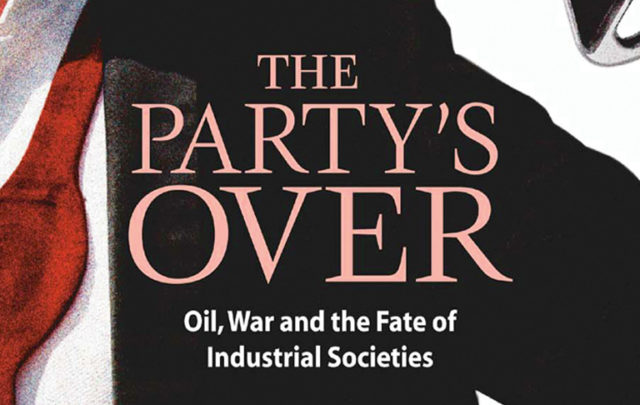
Oil, war and the fate of industrial societies
The world teeters on the brink of economic disaster due to energy shortages caused by war. Key oil-producing nations are unable and unwilling to increase output, though prices are high. The solutions being proposed—renewable energy technologies—are coming on line, but not fast enough. Sound familiar?
October 5, 2026
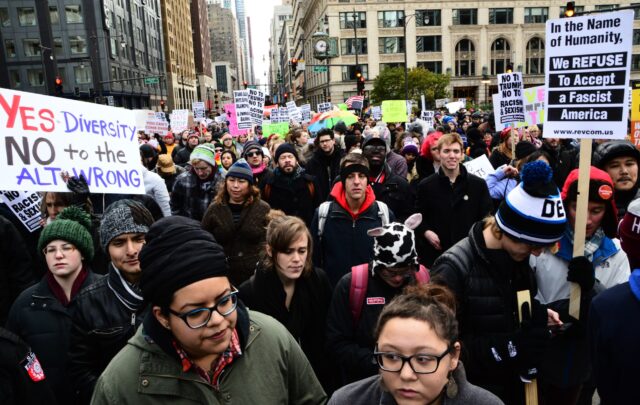
Hope in a time of democratic decline
Two major reports released this year tell a grim story: Global freedom continues to decline and the US has lost its longstanding classification a liberal democracy. But hope lies in the data.
October 2, 2026
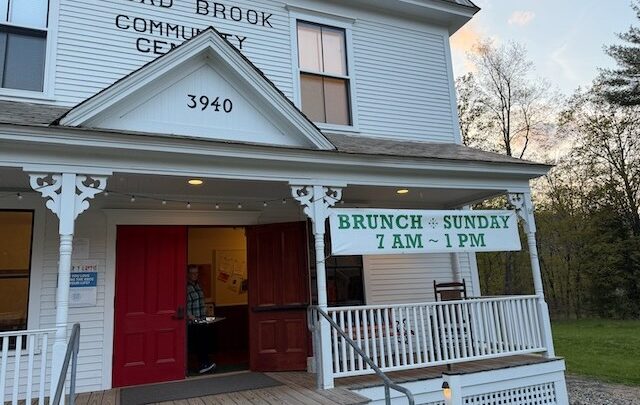
Does your neighborhood need a coffee klatch?
How a tiny town in Vermont turned a simple weekly gathering into the social glue holding a neighborhood together.
October 2, 2026
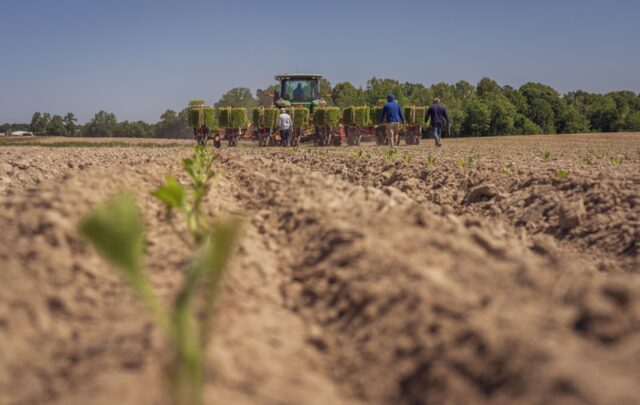
‘The countryside cannot be made a sacrifice zone for the city’: Coming home to part-time farming – book excerpt
Cities cannot feed themselves, thus people who live in cities will be forever detached from the problems that come with extracting the resources they depend on and producing the food they eat.
October 2, 2026

