What works: food

When we started this endeavor, about two years ago, I could barely distinguish between a hammer and a zucchini. And that tells you all you need to know about my construction skills as well as my gardening skills. As I’ve pointed out many times before, if I can do this, I can hardly imagine somebody who can’t. But you’d better get cracking. The time to plant a garden is not when you’re hungry.

As Glaciers Melt, Bolivia Fights for the Good Life

Bolivia is watching its glaciers melt, early casualties of a changing climate. As communities struggle to adapt and the government tries to pioneer an alternative way forward, rural Bolivians believe the answer lies not in consumerist striving to live better, but in learning to live well.

Nat’l Intelligence Council report on Caribbean geopolitics & climate change (review)

The National Intelligence Council has released a report on the expected effects of climate change to the Caribbean region. This 21 page report is entitled Mexico, The Caribbean and Central America: The Impact of Climate Change to 2030: Geopolitical Implications (NIC Conference Report, Jan. 2010). The report is authored by a team of private researchers under the Global Climate Change Research Program contract with the CIA’s Office of the Chief Scientist.

The water wars: California’s salmon vs. agribiz interests

These fish and shellfish are delicious, healthful, and can be eaten with a clean conscience. Still, there’s something missing in my line-up in recent years, and my customers and I miss it terribly: local, wild salmon. Not long ago, Chinook salmon pulled from our cold, clean offshore waters, constituted up to 50 percent of my business. Today: zilch, nothing. That’s because there hasn’t been a commercial salmon season in California and Oregon for the last two years.

Peak Moment 163: Economy, Ecology, Social Equity — Empowering Future Leaders

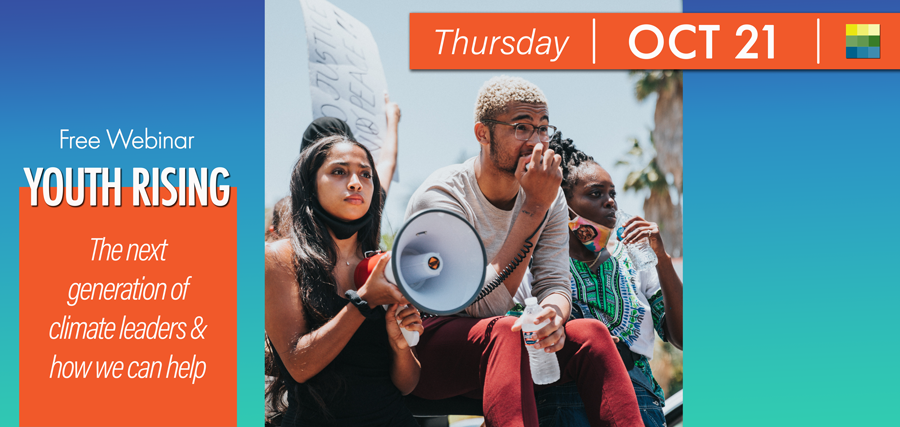
What if future leaders became sensitive to local environmental and social issues before stepping into leadership roles? Tanya Narath describes nine day-long events in the Leadership Institute for Ecology and the Economy’s program: Students visit a watershed for ecological context; tour an organic farm (sustainable agriculture); take a walking tour from which students’ urban design ideas are presented to the mayor; explore social issues like racial injustice, homelessness, and poverty; consider water ecology, local economy, transportation and land use. (www.ecoleader.org).

Renewables & efficiency – Feb 25

-Does Facebook deserve the hell it’s catching from Greenpeace?
-Saudi Arabia to export solar power soon, US says
-Energy expert Lovins brings conservation message
-The new wave: Harnessing the power of the ocean