

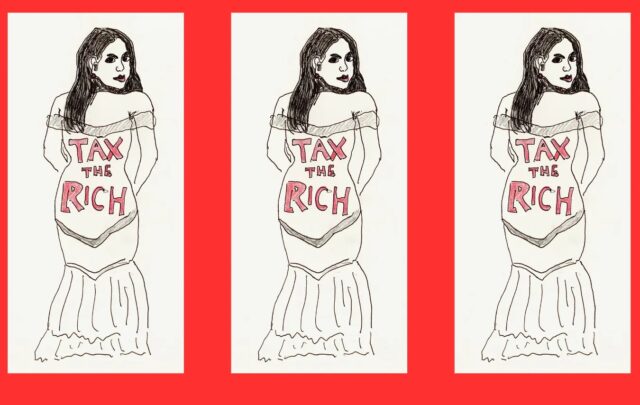
Tax the rich and save the world
A movement to reshape the structure of taxation in the U.S. is gaining steam.
October 16, 2026

Trump’s pronatalist policy puts GDP growth before reproductive freedom
Trump clearly represents an unmitigated disaster for the steady state, with consequences that include rolling back decades of progress in gender equality, contraceptive access, and the lower birth rates that result.
October 16, 2026
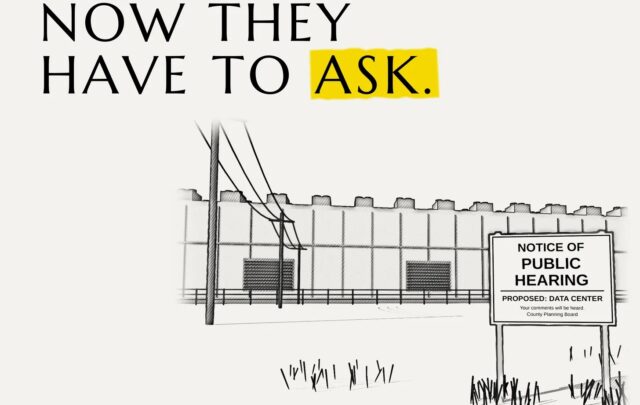
Data centers have exposed big tech’s trust deficit
Americans used the products for twenty years without trusting the companies. A data center is the first thing they could vote on.
October 15, 2026
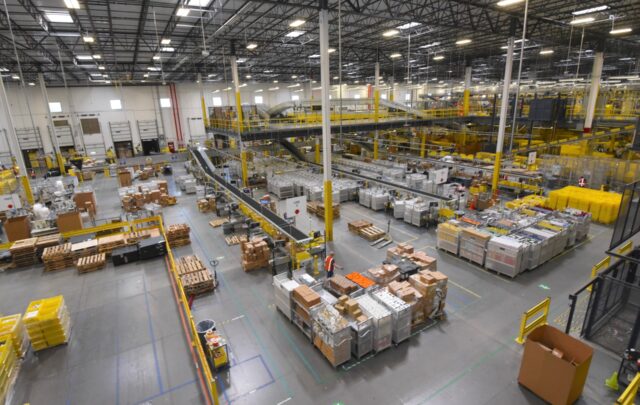
Amazon is deploying AI to spy on its workers and bust unions before they form
Internal company documents obtained by a Canadian labor board show how Amazon is tracking workers’ every move.
October 13, 2026
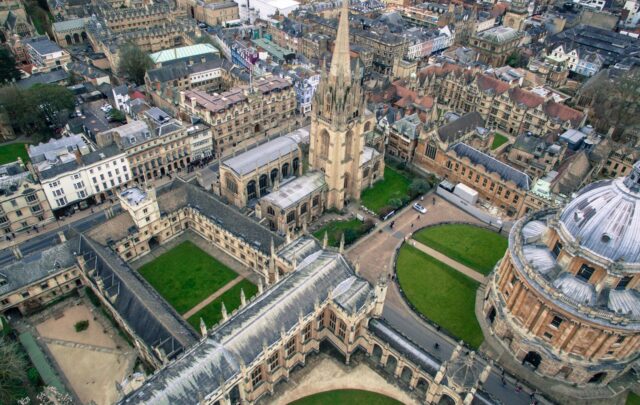
Academic prison: We are all trapped within the modernity pen – and academica offers no escape
Inspired by author Daniel Quinn’s Ishmael, I compare modernity to a prison whose bars few inmates can even detect. Academia is its own sort of prison.
October 12, 2026
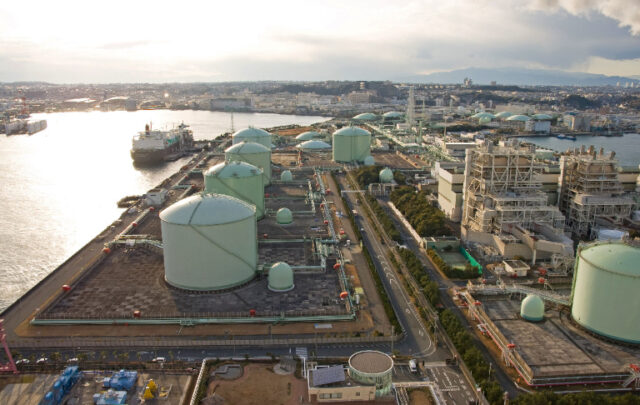
Infrastructure, finance, and the sale of the future
Mitchell’s new book reinforces this essential point. We must see through the alibi of capital, we must reclaim society from the grip of the economy, and we must change the rules of the game to save our collective future.
October 9, 2026
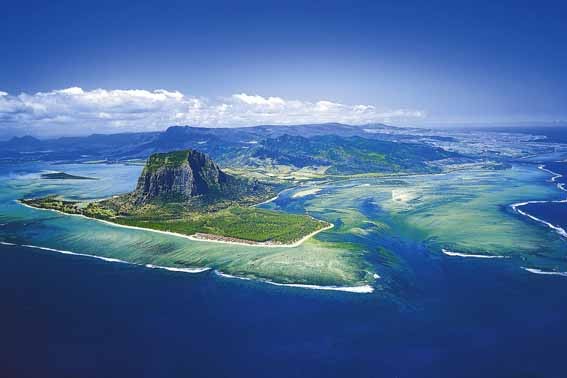
Trust is climate infrastructure: What Mauritius teaches us about building truly resilient communities
Communities that trust their institutions are more willing to participate, collaborate, adapt, and recover. Communities that do not trust them remain vulnerable, regardless of how much climate finance is mobilised.
October 6, 2026

Nourishing a Bioregional Economy
In the globalized economy, money is the shaper of outcomes, including whose work is valued, how the natural world gets used (and abused), and even who gets into political office. If bioregioning is critical to achieving a prosocial and environmentally sound society, the economy needs to go bioregional too.

