

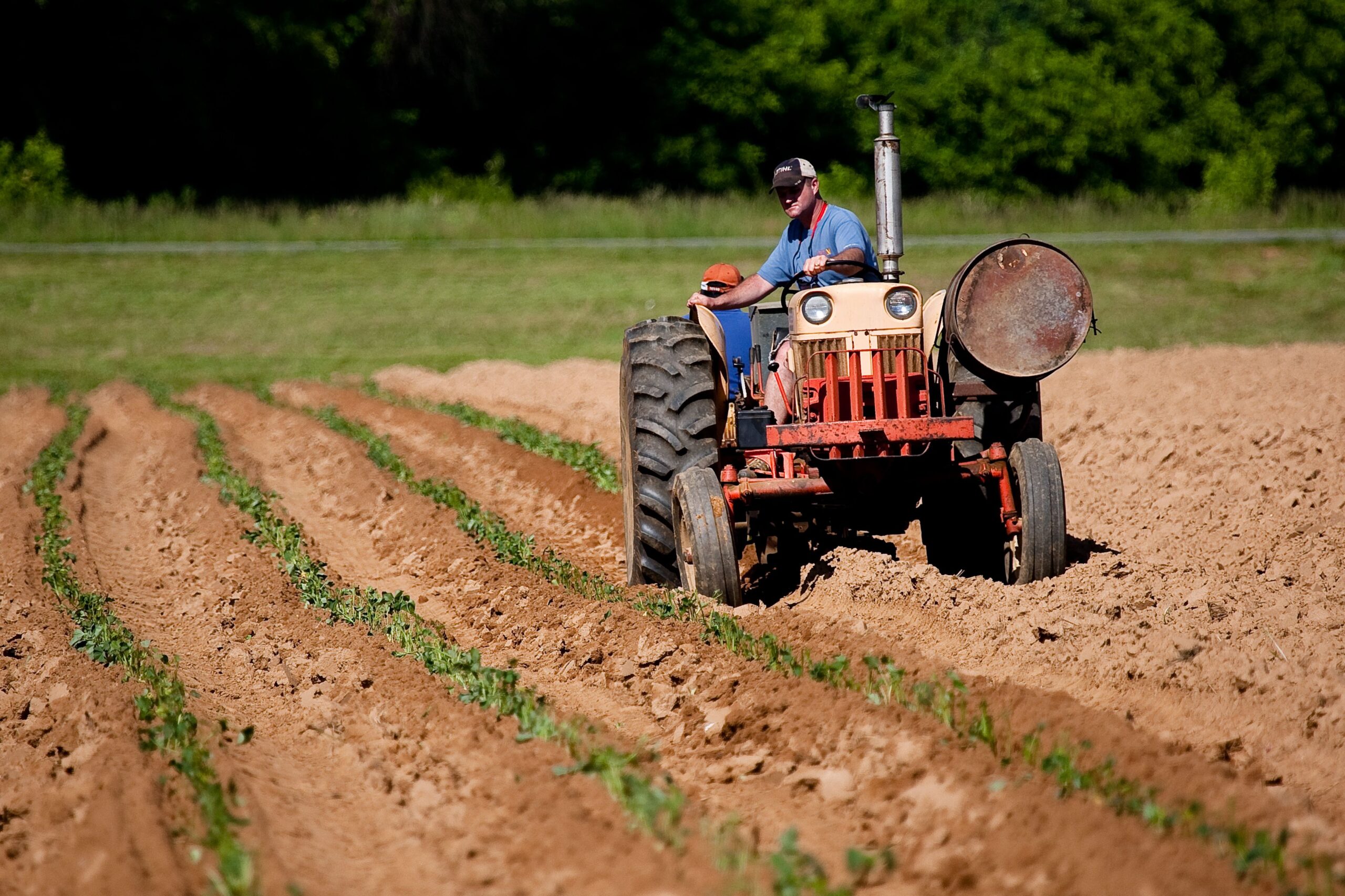
The Fertile Crescent, what we know today as Syria, Lebanon, Jordan, Israel, Palestine, Iraq, Turkey and Iran, is considered the birthplace of agriculture. Flood-enriched soil from the Tigris and Euphrates Rivers made for exceptional farming. Today, 500 miles from where the two rivers empty into the Persian Gulf, the Strait of Hormuz is under a blockade, impacting farming in the United States.
A stalemate between the United States and Israel and that of Iran, the blockade is affecting the global movement of fossil fuels. Posturing, threats, and deadly actions continue between the three nations, putting more lives at risk and stressing out economies. In the US, gas prices have risen dramatically and the industrialized soil of America’s big-ag heartland is threatened because of the blockade.
According to The American Prospect, Nebraska farmers are being gouged by the cost of anhydrous ammonia, a synthetic chemical fertilizer made from natural gas sourced from Iran. Prices have spiked by 39 percent. So the conversations at diners in Nebraska, agricultural conferences, and state capitals are about fossil fuels – how to weather the current situation and ramp up production so synthetic fertilizers like anhydrous ammonia might be made from American gas.
Not being discussed is that in places like Nebraska, where fossil fuels have been growing commodity foods, the soil is so compromised it relies upon artificial, synthetic inputs to function. Corporate food production depends on chemical fertilizers, pesticides, massive tractors and harvesters, mechanized factory farming of animals, global transportation, manufacturing processed foods from largely inorganic ingredients, and pumping out produce even when out of season. The fossil fuel-driven system of corporatized agriculture has, in turn, forced farmers to depend on corporations, reducing them to the level of indebted sharecroppers.
The Green Revolution, which was propagandized by the chemical industry soon after World War II, ushered in global ecosystem collapse, cancer clusters, soil loss and degradation, desertification, food insecurity, obesity, diabetes, water pollution, high rates of farmer suicide, and massive economic debt despite self-congratulatory virtue signaling for feeding the world.
There is even more irony to go around. Those Nebraska farmers, the ones waiting for the Strait of Hormuz to open and wondering how their chemical-dependent farming season will turn out, are occupying land that was once some of the most productive soil on the planet — like the Fertile Crescent used to be.
The ancient prairie provided abundant perennial foods sustaining people and large mammals like the American Bison. In the 1800’s the US government decimated the bison population as a means of genocidal warfare against Native Americans and then ushered in white settler-colonists who literally uprooted the prairie ecosystem to farm monocrops, which eventually contributed to the massive catastrophe that we know as the Dust Bowl.
Today, the only thing that keeps these tired soils producing is the endless inputs of fossil-fuel chemicals. A recent report from Food and Water Watch shows parts of Nebraska and Iowa as cancer hotspots, the result of exposure to industrial agricultural chemicals like glyphosate, known for decades to be cancer-causing.
It’s all about making connections, and it shouldn’t take one long to see the connection between recent actions of the US — the seizure of Maduro in Venezuela, the war with Iran, and the announcements of more oil drilling in the Gulf of Mexico and on the California coast. It’s all about fossil fuels. The blockade is just one piece of the US fossil fuel industry’s foreign and domestic policy that’s being carried out by the United States government, paid for by our tax dollars.
And despite the crystal clear links between climate change and the burning of fossil fuels, the world’s fossil fuel addiction has largely gone unchallenged. Our century-plus-long collective addiction has resulted in the enslavement and destruction of the environment, including the soil needed to grow real, healthy food.
There is an opportunity amidst the polycrisis. What if we treated the earth we walk on with the respect it deserves? There is an opportunity to value soil, grow food and support human communities in a way that gives more than it takes. How we respond is up to us. But so long as we remain hooked on fossil fuels, nothing will change.


Comments
We changed commenting systems on September 10, 2026 as part of a site-wide functionality and security upgrade. Your past comments have not disappeared, and you can still log in with your old Disqus account credentials if you wish. Contact us with any questions.