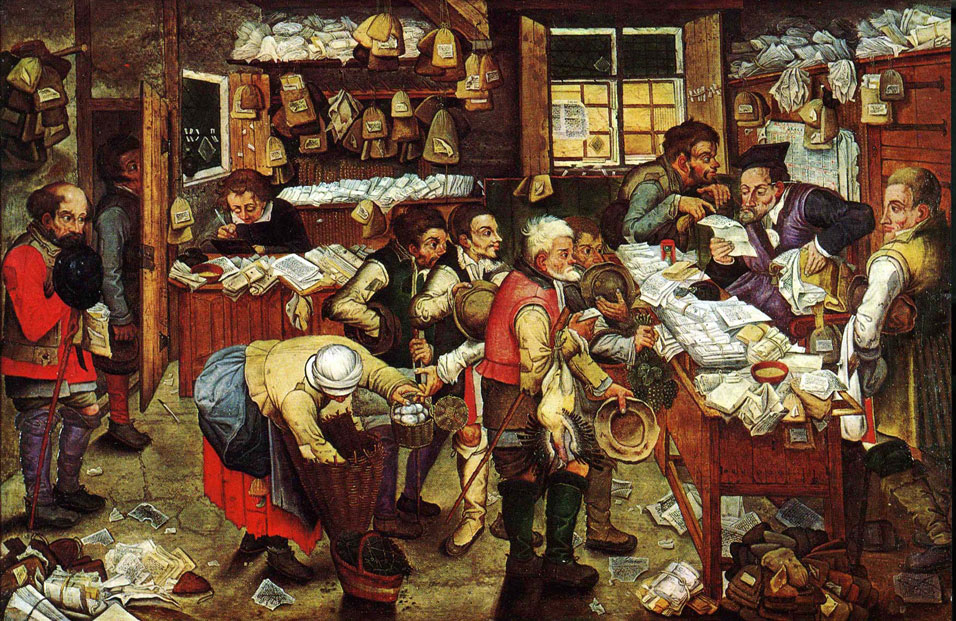
In this Frankly, Nate expands on our conventional definition of “taxes” to highlight nine other categories that will ‘tax’ our modern lifestyles. Traditionally, when we think of net and gross income, we only think of direct government taxes that subtract from what we take home. What are other taxes – resulting from our system’s ecology – which will factor into the way society can pay for the goods and services we’ve become used to? As converging global crises intensify and each add their own ‘tax’, can we learn to manage with a smaller “net “ resource balance sheet – and maintain our time, sanity, and humanity through the coming decades?
Teaser photo credit: By H. G Wells – The Outline of History (1920) p.199. Garden City, New York: Garden City Publishing Co., Inc.., Public Domain, https://commons.wikimedia.org/w/index.php?curid=17583156
Nate Hagens is the Director of The Institute for the Study of Energy & Our Future (ISEOF) an organization focused on educating and preparing society for the coming cultural transition. Allied with leading ecologists, energy experts, politicians and systems thinkers ISEOF assembles road-maps and off-ramps for how human societies can adapt to lower throughput lifestyles.
Nate holds a Masters Degree in Finance with Honors from the University of Chicago and a Ph.D. in Natural Resources from the University of Vermont. He teaches an Honors course, Reality 101, at the University of Minnesota.
Related Articles
'SELECT SQL_CALC_FOUND_ROWS wp_posts.ID
FROM wp_posts LEFT JOIN wp_term_relationships ON (wp_posts.ID = wp_term_relationships.object_id)
WHERE 1=1 AND wp_posts.ID NOT IN (3498956) AND (
wp_term_relationships.term_taxonomy_id IN (2,3,8994)
) AND wp_posts.post_type = \'post\' AND ((wp_posts.post_status = \'publish\'))
GROUP BY wp_posts.ID
ORDER BY wp_posts.post_date DESC
LIMIT 0, 3'
There are many answers, and maybe none are completely right. But some of them are better than others. You find something that works for you and your land because you kept working at it. That is what most advice leaves out, and that is where the real work is.
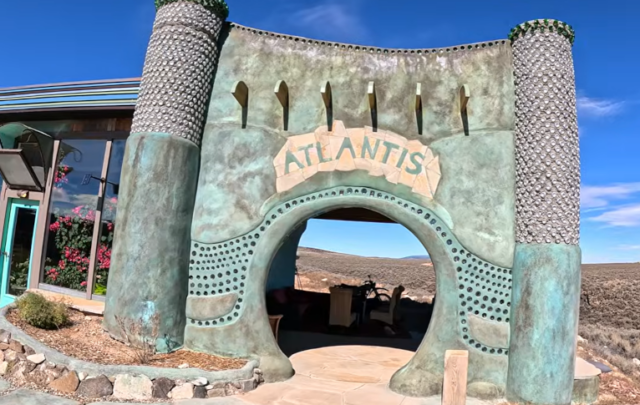
Mainstream coverage of off-grid, self-sustaining communities like the one featured in this video tends to be glib and sensational (focusing, for example, on “trash homes”). It’s so much rarer to see in-depth coverage of the full social, technical and ecological aspects of such communities, or intimate glimpses into residents’ daily lives and motivations.
Since stories serve in every culture as the workshops of meaning, the urge to craft new ones may signal our readiness at long last to face up to what’s coming. All stories have characters. The qualities we attach to the ones in leading roles and the fates that befall them as plots unfold tell us a great deal about what we fear and what we value.