

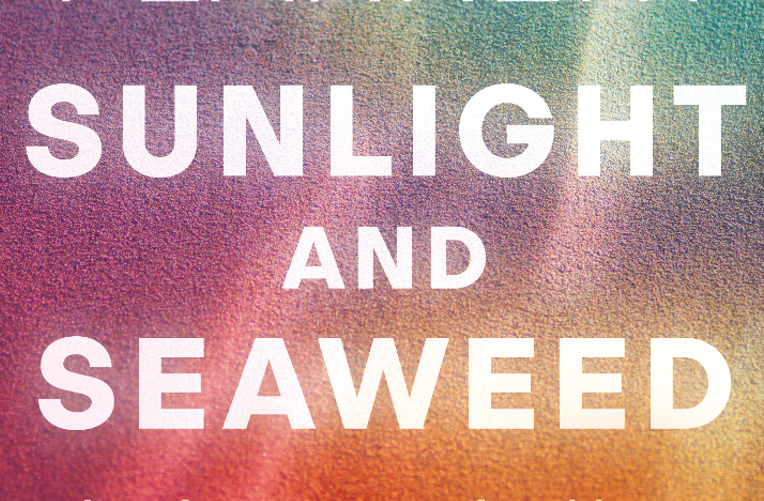
The marvelous Prof Tim Flannery was once described by the Financial Times as akin to a cross between Charles Darwin and Indiana Jones for his pioneering mammalogy and paleontology field work. But he gave up this adventurous life to focus on climate change writing and campaigning. Tim drops into the studio and we discuss why, and talk about his new book (his second follow up to the highly influential The Weather Makers): Sunlight and Seaweed: An Argument For How To Feed, Power, and Clean Up The World.
Related Articles
'SELECT SQL_CALC_FOUND_ROWS wp_posts.ID
FROM wp_posts LEFT JOIN wp_term_relationships ON (wp_posts.ID = wp_term_relationships.object_id)
WHERE 1=1 AND wp_posts.ID NOT IN (3467941) AND (
wp_term_relationships.term_taxonomy_id IN (1,3,8988,8995)
) AND wp_posts.post_type = \'post\' AND ((wp_posts.post_status = \'publish\'))
GROUP BY wp_posts.ID
ORDER BY wp_posts.post_date DESC
LIMIT 0, 3'
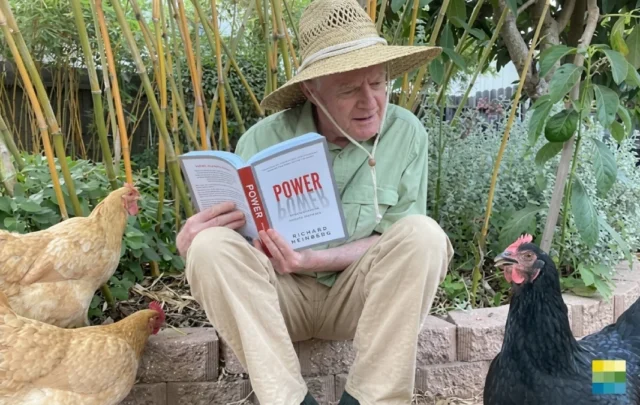
Remembering Richard Heinberg: Why I made degrowth art in his memory
The messages and body of work that Richard leaves behind encourage us all to keep striving, creating, and living well within our planet’s limits.
October 8, 2026
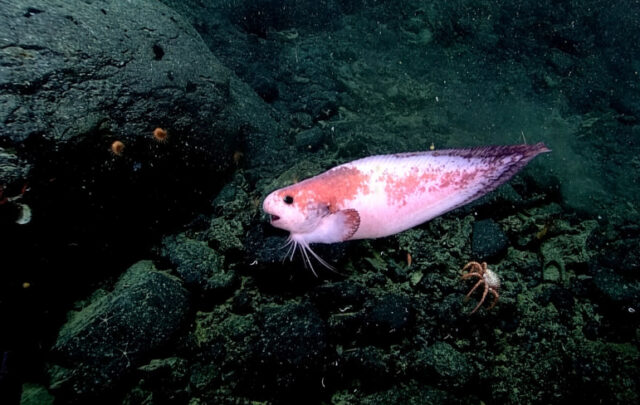
Make America go away…from the deep ocean
So, it’s time we Make America Go Away from the Deep Ocean. Yes, the MAGADO movement.
October 8, 2026
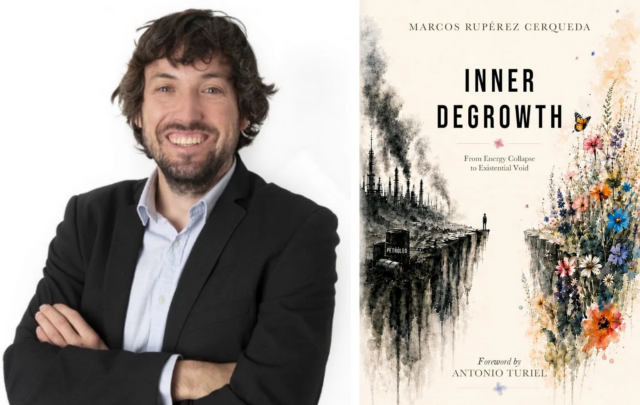
‘Inner Degrowth’: An engineer on why the energy crisis and our inner emptiness are the same problem
Marcos Rupérez Cerqueda spent years as an engineer on green hydrogen projects in Spain, installing electrolysers and fuel cells, before the numbers made him stop believing in a technical fix. In this Q&A, he discusses this journey and his new book.
October 8, 2026


Comments
We changed commenting systems on September 10, 2026 as part of a site-wide functionality and security upgrade. Your past comments have not disappeared, and you can still log in with your old Disqus account credentials if you wish. Contact us with any questions.