

Are current corporate-dominated international institutions inadequate to the task of meeting the multiple planetary survival challenges they themselves have helped create? As headlines proclaim that COP15 was a ‘catastrophe,’ that a global climate deal is ‘all but impossible in 2010,’ and progressive NGOs,’ “The forces trying to tackle climate change are in disarray, wandering in small groups around the battlefield like a beaten army,” according to one diplomat, Richard Heinberg of the Post Carbon Institute (postcarbon.org), talks about the factors contributing to the stalemate in the Copenhagen climate summit, the other ‘game ending’ challenges confronting the current economic system, and the bottom-up steps necessary to move to a post-carbon economy. Interviewed by EON’s James Heddle.


Related Articles
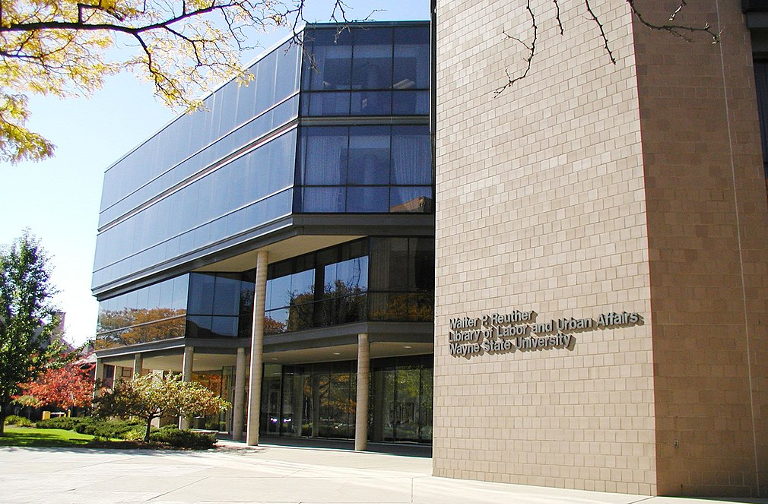
Preserving labor history in the present, for the future
Labor activists take steps to preserve the documents and strategies they use today, so future organizers will have a practical guide.
September 8, 2026
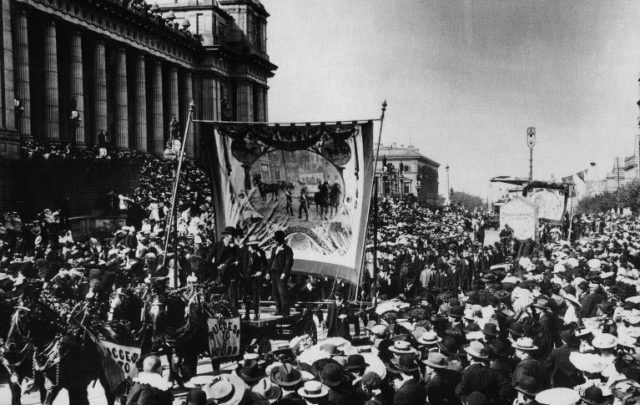
Unions have been down before, history shows how they can come back
Two ways we can honor unions at this time of trial are to ask others to join union picket lines and to learn from their innovations and successes for whatever campaigns we are committed to today.
September 7, 2026

A realistic ‘energy transition’ is to get better at using less of it
We must develop a realistic plan for energy descent, rather than clinging to naive fantasies of endless consumer abundance powered by alternatives to fossil fuels.
May 15, 2026


Comments
We changed commenting systems on September 10, 2026 as part of a site-wide functionality and security upgrade. Your past comments have not disappeared, and you can still log in with your old Disqus account credentials if you wish. Contact us with any questions.