

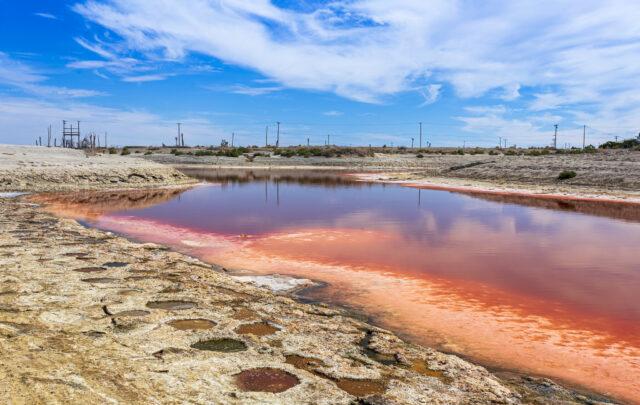
Toxic dust from the shrinking Salton Sea is harming children’s lung growth amid water loss, study finds
A new study shows that toxic dust from Southern California’s shrinking Salton Sea impedes lung development in children, as water loss and industrial expansion reshape the region’s environment.
April 15, 2026
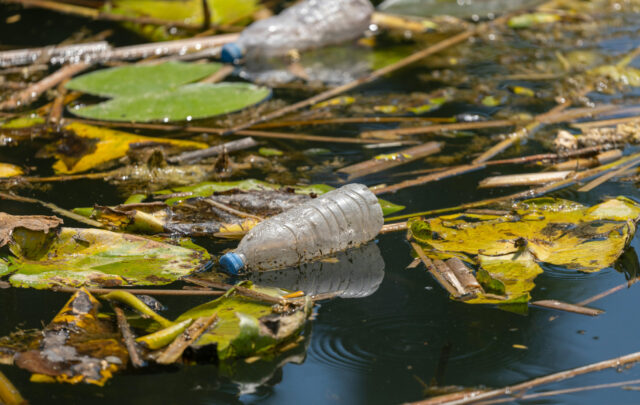
Addressing the climate crisis is becoming a legal obligation, not a political choice
A landmark International Court of Justice advisory opinion has clarified that states have a duty to prevent climate harm, marking a shift toward enforceable climate accountability and strengthening the emerging framework of ecological and rights-based environmental law.
April 15, 2026
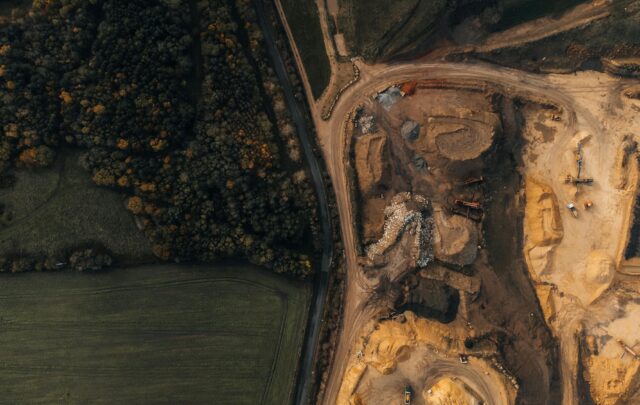
Human nature didn’t create the polycrisis. Our systems did – and they can be redesigned
The drivers behind the polycrisis, including relentless extraction, extreme inequality, and environmental degradation, are often attributed to human nature, but evidence suggests they are products of historically conditioned systems.
April 15, 2026
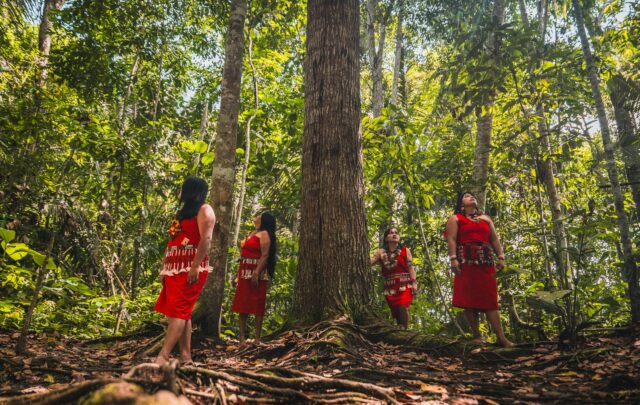
Rethinking our place in nature means rethinking the law
As Indigenous knowledge gains recognition and environmental crises deepen, a growing movement argues that granting legal rights to nature can protect it from exploitation.
April 14, 2026
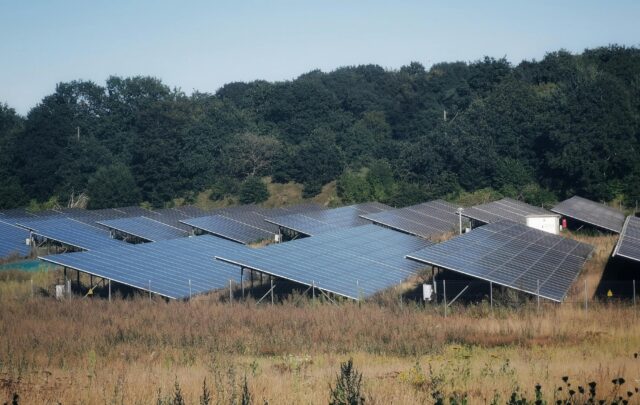
Solar panels aren’t as “clean” as we like to think
Solar power has enabled off-grid living and low-carbon energy, but its industrial supply chains and large-scale rollout come with environmental costs we cannot ignore.
April 14, 2026
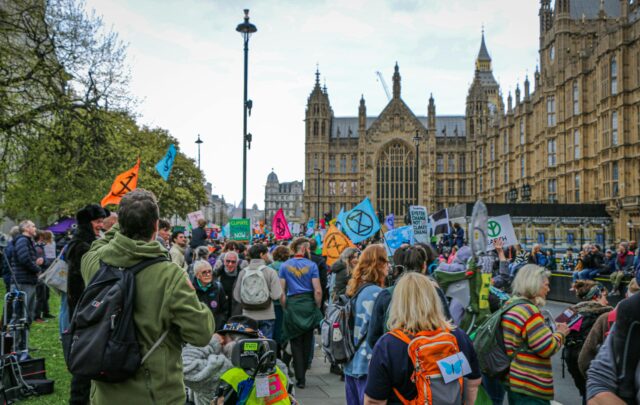
Without pluralism within the climate movement, we risk handing the future to the far right
The climate crisis demands urgency, not ideological uniformity. In an already fragmented movement, requiring adherence to specific positions on issues beyond climate action deepens division and opens space for anti-democratic influence.
April 14, 2026
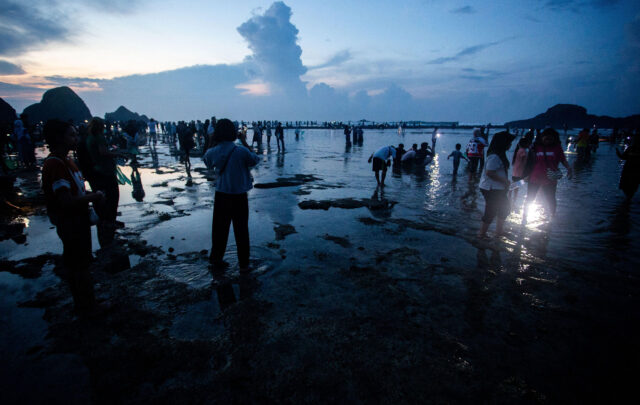
How Pacific communities use sea worms to track time and seasonal shifts through a changing climate
In the Pacific Islands, the annual spawning of palolo sea worms feeds communities, marks time and sustains cultural traditions. Why this Indigenous tradition is becoming increasingly important as climate change intensifies weather events.
April 13, 2026
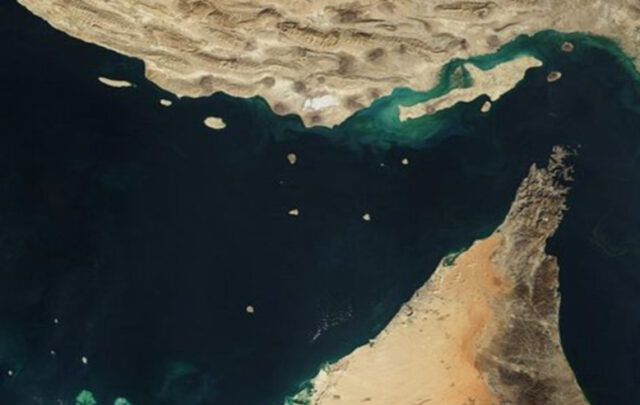
Strait of Hormuz reopens for now, but global supply chains remain at risk
Carrying about 20% of the world’s traded oil and gas, the Strait of Hormuz is a critical global chokepoint. Even if it remains open, restoring full energy and material flows will take time, with ongoing consequences to global supply systems.
April 13, 2026
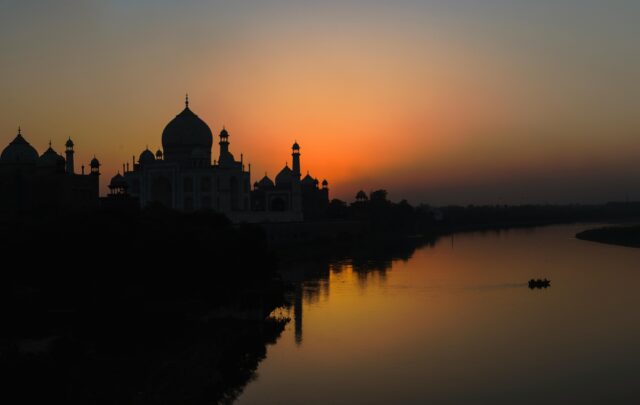
The growing push to grant legal rights to nature
From Ecuador to New Zealand and India, a growing number of countries are recognizing the legal rights of nature, though not without legal and political challenges.
April 13, 2026
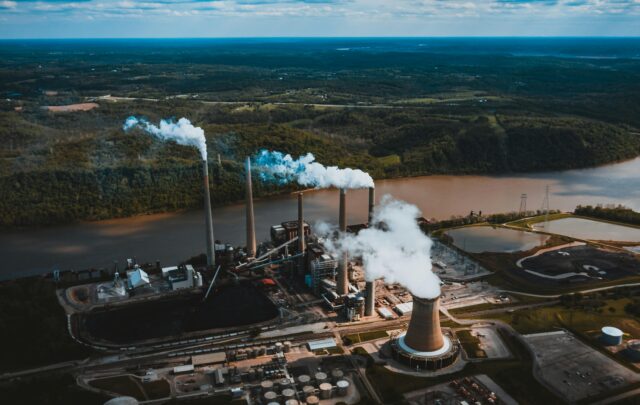
Nuclear safety at risk: what’s changing under Donald Trump
As sweeping deregulation accelerates under Donald Trump, long-standing nuclear safety regulations are being rolled back with little public scrutiny, raising new concerns about risks to both human health and the environment.
April 10, 2026

The empty desk policy: Why remote work is the sustainability win we’re ignoring
The daily commute is more than an inconvenience; it is a major source of pollution and wasted time. As return-to-office demands grow, remote work may be one of the most overlooked tools for reducing emissions while improving quality of life and accessibility.
April 10, 2026

How environmental laws are shifting the focus from humans to nature
Environmental laws are evolving from prioritizing human benefits to recognizing nature’s intrinsic rights; this is reflected in the small but growing number of countries that grant legal personhood to natural entities.
April 10, 2026

