

Katarina “Katya” Zimmer is a freelance science and environment journalist based in Berlin, Germany. She’s currently a special contributor to Knowable Magazine and also writes for National Geographic, BBC Future, Nature and more.
'SELECT SQL_CALC_FOUND_ROWS wp_posts.ID
FROM wp_posts INNER JOIN wp_postmeta ON ( wp_posts.ID = wp_postmeta.post_id )
WHERE 1=1 AND (
wp_posts.ID NOT IN (
SELECT object_id
FROM wp_term_relationships
WHERE term_taxonomy_id IN (47485,47486)
)
) AND (
(
( wp_postmeta.meta_key = \'the_author\' AND wp_postmeta.meta_value = \'3473245\' )
OR
( wp_postmeta.meta_key = \'secondary_author\' AND wp_postmeta.meta_value LIKE \'{40f97d77cab36b997408c088f00f354ee5d4512b598e54944128f600fdb776ce}\\"3473245\\"{40f97d77cab36b997408c088f00f354ee5d4512b598e54944128f600fdb776ce}\' )
)
) AND wp_posts.post_type = \'post\' AND ((wp_posts.post_status = \'publish\'))
GROUP BY wp_posts.ID
ORDER BY wp_posts.post_date DESC
LIMIT 0, 6'
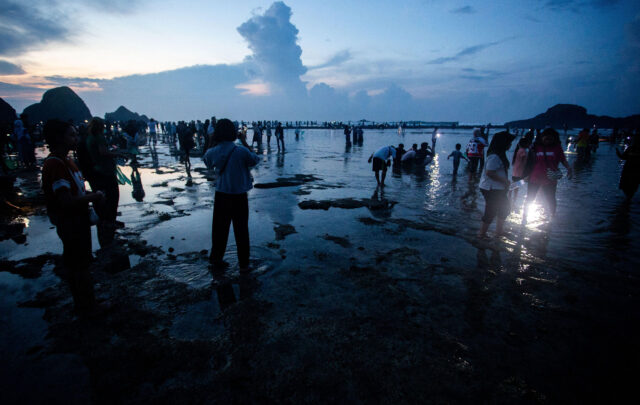
How Pacific communities use sea worms to track time and seasonal shifts through a changing climate
In the Pacific Islands, the annual spawning of palolo sea worms feeds communities, marks time and sustains cultural traditions. Why this Indigenous tradition is becoming increasingly important as climate change intensifies weather events.
April 13, 2026

Southern Discomfort
Solar power owned directly by the people and neighborhoods who use it creates local jobs, reduces polluting emissions and can save individuals money, The opportunity is there: 42 percent of the country’s residential solar potential is located on the rooftops of low- and middle-income dwellings, finds a National Renewable Energy Laboratory study published earlier this year.
August 20, 2018

