

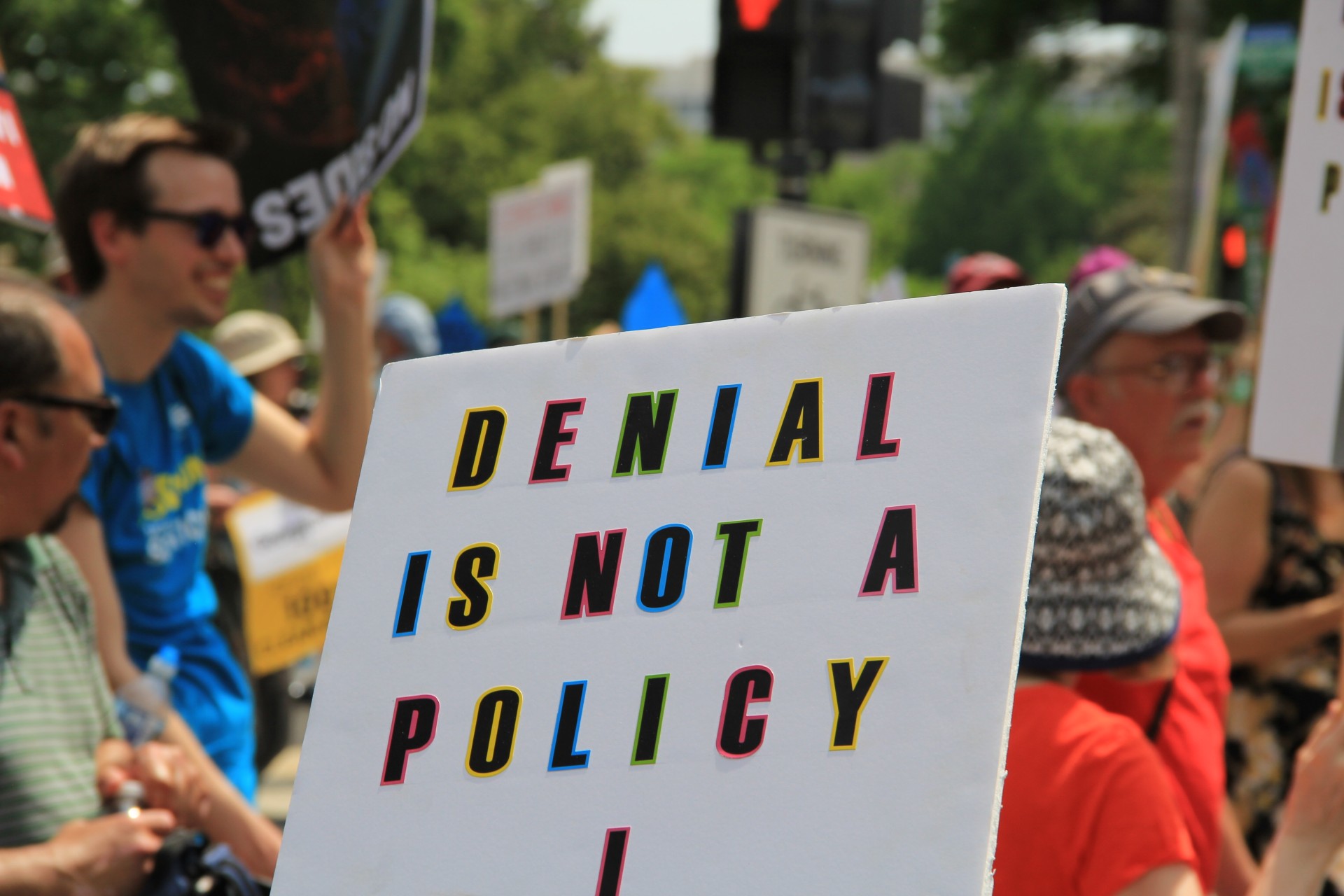
Until recent years, European cities had stood at the forefront of climate action, a period that coincided with largely progressive urban politics. However, mounting socioeconomic insecurity, electoral gains by right-wing parties and a growing discontent with climate policies mark a sharp departure from this trend.
In areas around the world, growing opposition to climate action signals a new disruptive wave that researchers call an “urban greenlash,” a backlash against climate plans and policies in cities. This is contributing to an erosion of resolve to confront climate change, seen in the weakening of climate goals and regulations, funding cuts for climate programs, and the criminalization of climate activism.
For instance, in Dresden, Germany, the city where I live and work, a right-leaning municipal council coalition is working to reduce local climate neutrality goals, set in 2022 under a more progressive council. Urban infrastructure projects related to the transformation of energy, housing, or transportation systems are being mobilised by right-wing populists as political battlegrounds where ideologies clash. Bike lanes in the UK, for example, are being targeted by small but vocal groups that regard them as an infringement on their freedom to drive a car.
Proponents of an urban greenlash are also employing alternative facts and ‘fake news’ to scuttle climate progress. In Canadian, British and Spanish cities, scholars have noted the surge in skepticism surrounding the concept of 15-minute cities, an idea to develop cities to be walkable and easily accessible to reduce the need for and reliance on private automobiles. Right-wing groups have accused this concept of being “social engineering” experiments, of all things, designed with an aim to repress residents under COVID-19-like “lockdowns” and restrict their freedoms.
Why is a greenlash happening?
Backlash against climate urbanism is complex. A mix of structural and ideological factors is fueling distrust of climate policies, ranging from the rise in influence of right-wing populist parties that espouse an ideological stance against climate change or outright denial of it to distrust of government “elites” or institutions perceived as pushing for urgent action on climate change.
Climate policies and plans in which citizens feel excluded from planning and from receiving the benefits of interventions are also found to be fertile ground for spreading climate disinformation and further disenchanting citizens from democratic participation. Added costs from climate change adaptation can also drive backlash. The Heating Law in Germany, which required homeowners to transition from fossil-fuel heating to heat pumps, generated a massive backlash, owing in part to the financial burdens placed on homeowners to change systems.
How to navigate the greenlash
In an article published earlier this year, Mahir Yazar, Fayola Jocobs and I set out a two-pronged strategy for sustaining urban climate action as sociopolitical greenlash intensifies.
First, engaging critically with the social injustices that climate agendas might create and perpetuate can help tackle climate change in a way that is conducive to a fair and just transition. In New York, Mayor Zoran Mamdani has repeatedly emphasized that “Climate and quality of life are not two separate concerns. They are, in fact, one and the same.” Through the Green Schools for a Healthier New York City initiative, he aims to retrofit 500 public schools to reduce emissions, create green jobs, and turn them into resilient hubs in case of disasters.
The coalitions emerging between social and environmentally oriented parties to present a stronger front against right-wing parties engage with backlash that is more ideological. Addressing misinformation through pubic literacy is also critical. The Urban Truth Collective, a collective of urban practitioners and marketing professionals who address misinformation about sustainable actions in cities, use their blog to address misinformation, including in their piece about 15-minute city conspiracies, rightfully arguing that city designs that require you to drive an hour to get to work or services are the real conspiracy.
Cities are critical actors in tackling climate change. Understanding what greenlash looks like, why it is gaining ground and how to respond demands urgent attention from urban researchers, policymakers and climate activists. Those committed to climate action cannot afford to dismiss this opposition, but nor are we powerless in the face of it; the stakes are too high. Climate progress depends on bringing communities along rather than dismissing their concerns.





Comments
We changed commenting systems on September 10, 2026 as part of a site-wide functionality and security upgrade. Your past comments have not disappeared, and you can still log in with your old Disqus account credentials if you wish. Contact us with any questions.