

“I ask the groups that hire me to pay me what feels good and right and fair to them, an amount they can afford, and that they can give joyfully… I basically trust them. And it works out really well.” Freelance group facilitator Tree Bressen has made her livelihood in the sharing economy for over a decade. She has also participated in a neighborhood Gift Circle and an online version called Kindista. In these, people put out what they have to offer, and make requests of what they need. Her personal stories reveal how the circles not only facilitate exchanges, but build relationships. Dave Pollard, author of howtosavetheworld.ca, makes presentations on the sharing economy. He has been inspired by Janelle Orsi’s book The Sharing Solution. She frames four levels, from casual and spontaneous, to simple agreements, organizations like a tool library, which might have many players. Dave says sharing can start with something as simple as a potluck: “Invite all your neighbors and chat about what other neighborhoods are doing. I’ll bet something will catch.” [treegroup.info, shareable.net, kindista.org]
Related Articles
'SELECT SQL_CALC_FOUND_ROWS wp_posts.ID
FROM wp_posts LEFT JOIN wp_term_relationships ON (wp_posts.ID = wp_term_relationships.object_id)
WHERE 1=1 AND wp_posts.ID NOT IN (3467850) AND (
wp_term_relationships.term_taxonomy_id IN (2,8988,8992)
) AND wp_posts.post_type = \'post\' AND ((wp_posts.post_status = \'publish\'))
GROUP BY wp_posts.ID
ORDER BY wp_posts.post_date DESC
LIMIT 0, 3'
Devastating News: The Loss of Richard Heinberg
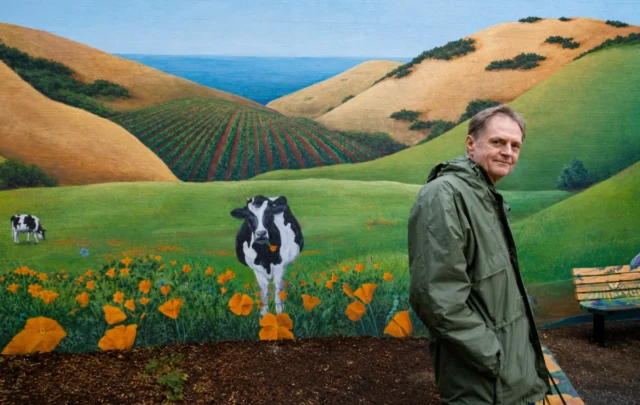
On Sunday, July 19, we lost our kind, brilliant friend and colleague, Richard Heinberg.
August 4, 2026
How to Think About the Future – Part 5: How to build resilience from within
Nate scales his exploration of civilizational futures down to the future of a single human life and analyzes how the same patterns that shape economies, power, geopolitics, and Earth systems turn inward.
July 20, 2026
Crazy Town: Episode 129. Finding Crazy Town Part 1: The Strait of Everything
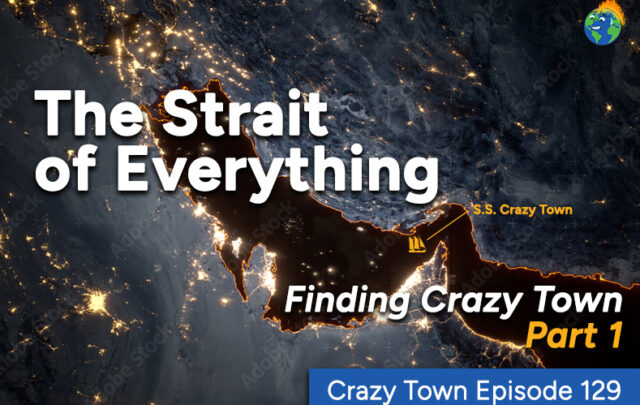
What happens when the global economy depends on fish traveling 10,000 miles, oil flowing through a single strait, and enough cheap fossil fuel energy to build civilizations that previous generations couldn’t even imagine?
July 15, 2026

