

In Extraenvironmentalist #25 we speak with Charles Eisenstein about his new book Sacred Economics which explains how to save the concept of money from being subject to our outdated understanding of human nature and simplistic mechanistic models of the physical world around us. While the social unrest sweeping from Cairo to Athens to Barcelona to New York is disrupting monetary dynamics can it also create an applicable positive vision? Charles explains how a negative interest currency and an economic model that integrates equity and ecology can end what we perceive to be the human nature emphasized by our current currency. Can we accept that the failure of money isn’t the end of the world but that it is an opportunity to reorganize?


Related Articles
'SELECT SQL_CALC_FOUND_ROWS wp_posts.ID
FROM wp_posts LEFT JOIN wp_term_relationships ON (wp_posts.ID = wp_term_relationships.object_id)
WHERE 1=1 AND wp_posts.ID NOT IN (1217681) AND (
wp_term_relationships.term_taxonomy_id IN (2)
) AND wp_posts.post_type = \'post\' AND ((wp_posts.post_status = \'publish\'))
GROUP BY wp_posts.ID
ORDER BY wp_posts.post_date DESC
LIMIT 0, 3'

At the mouth of the Red Sea, the chokepoint where global crises converge
Historically, the Red Sea and the Bab el-Mandeb Strait have been a strategic region for trade and political dominance; today, we are still shaped by their influence as we remain fragilely interconnected.
September 25, 2026
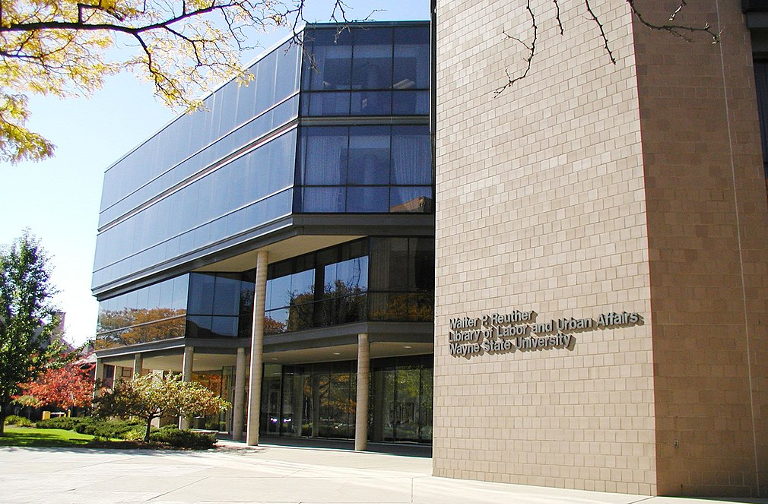
Preserving labor history in the present, for the future
Labor activists take steps to preserve the documents and strategies they use today, so future organizers will have a practical guide.
September 8, 2026
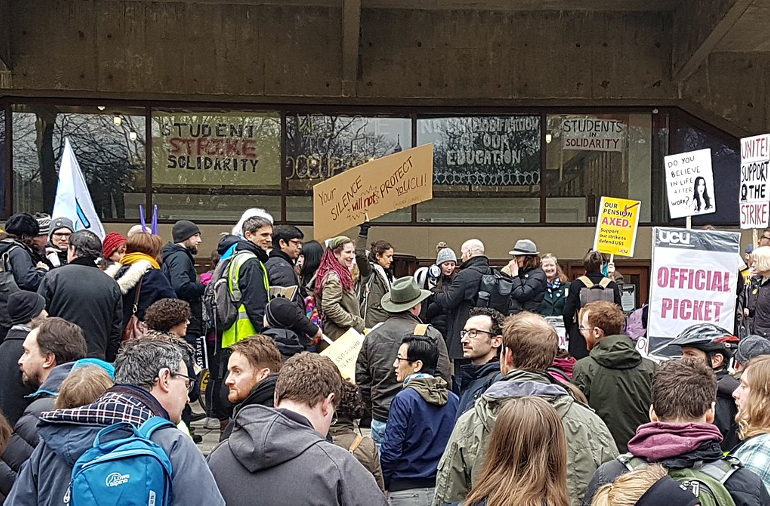
Rebuilding the trade union movement: ‘Dare to struggle, dare to win’
To rebuild the trade union movement, to meaningfully defend the right to strike, and to begin a serious fightback against the imposition of the costs of capitalism’s crisis on the working class, we need to put our energy into workplace and community organising
September 7, 2026


Comments
We changed commenting systems on September 10, 2026 as part of a site-wide functionality and security upgrade. Your past comments have not disappeared, and you can still log in with your old Disqus account credentials if you wish. Contact us with any questions.