

Are current corporate-dominated international institutions inadequate to the task of meeting the multiple planetary survival challenges they themselves have helped create? As headlines proclaim that COP15 was a ‘catastrophe,’ that a global climate deal is ‘all but impossible in 2010,’ and progressive NGOs,’ “The forces trying to tackle climate change are in disarray, wandering in small groups around the battlefield like a beaten army,” according to one diplomat, Richard Heinberg of the Post Carbon Institute (postcarbon.org), talks about the factors contributing to the stalemate in the Copenhagen climate summit, the other ‘game ending’ challenges confronting the current economic system, and the bottom-up steps necessary to move to a post-carbon economy. Interviewed by EON’s James Heddle.


Related Articles
'SELECT SQL_CALC_FOUND_ROWS wp_posts.ID
FROM wp_posts LEFT JOIN wp_term_relationships ON (wp_posts.ID = wp_term_relationships.object_id)
WHERE 1=1 AND wp_posts.ID NOT IN (1217338) AND (
wp_term_relationships.term_taxonomy_id IN (3,8988)
) AND wp_posts.post_type = \'post\' AND ((wp_posts.post_status = \'publish\'))
GROUP BY wp_posts.ID
ORDER BY wp_posts.post_date DESC
LIMIT 0, 3'
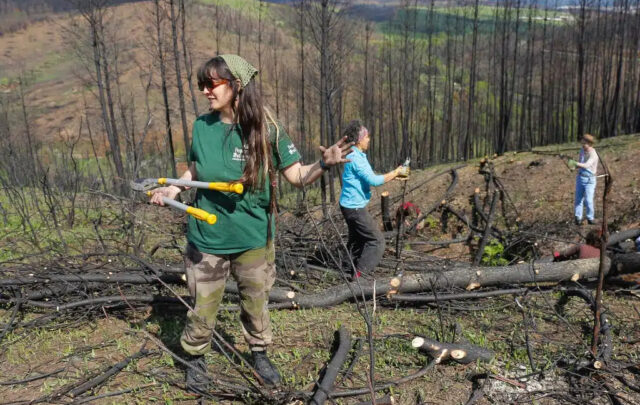
How an ecosystem restoration community is regenerating water cycles to mitigate forest fires in Portugal
Rewetting and restoring wetlands, building small dams, and restoring streams create landscape-level breaks that disrupt fire spread by retaining water in the land instead of letting it run off. EcoAtivo is putting this approach into practice.
September 25, 2026

What the climate movement can learn from organized labor
The climate movement needs the kind of leverage that comes from shutting down the economy — and it can only get there through deep organizing with workers.
September 24, 2026

What future does the EU’s strategy on livestock envision for farming? A look at the data
The EU Commission launched a livestock strategy and an action plan for the “protein system” in July. Predictably, reactions have varied.
September 23, 2026


Comments
We changed commenting systems on September 10, 2026 as part of a site-wide functionality and security upgrade. Your past comments have not disappeared, and you can still log in with your old Disqus account credentials if you wish. Contact us with any questions.