
Human and ecological economist Bill Rees recorded in April at the Vancouver Degrowth Event on why degrowth is the only realistic path to sustainability.

Insight and inspiration in turbulent times.

Human and ecological economist Bill Rees recorded in April at the Vancouver Degrowth Event on why degrowth is the only realistic path to sustainability.
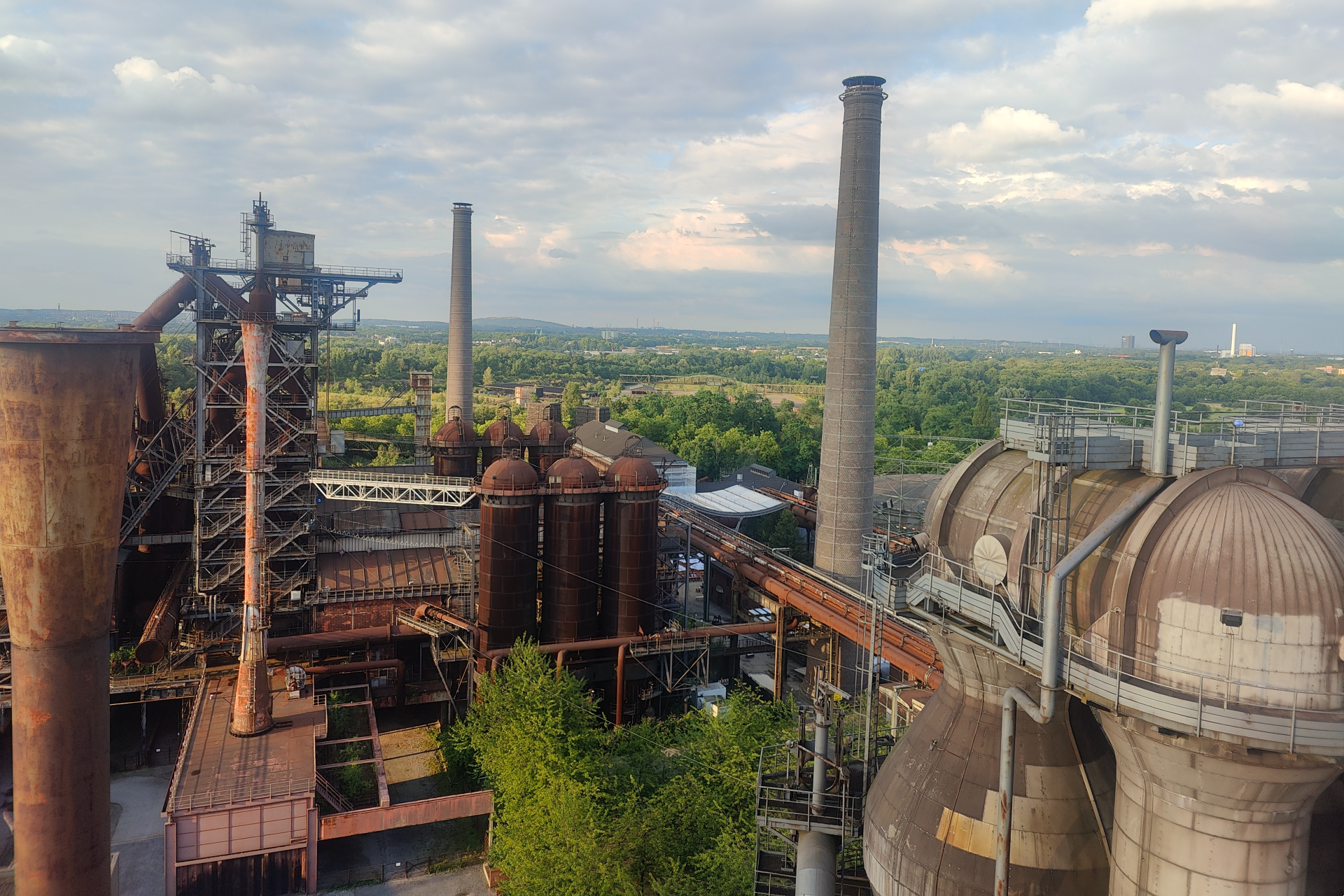
Industrial landscapes are living reminders of how centuries of fossil-fuel development reshaped Earth’s systems. As the Anthropocene unfolds, that legacy continues to shape our future. Historian Sabine Höhler argues that bridging the divide between human and Earth history is essential to understanding where we are and at what cost.
July 16, 2026

Modern paints contain toxic chemicals that linger in our homes and bodies, while traditional lime-based whitewash offers a low-energy, low-tox alternative that brightens buildings, protects surfaces and can even ‘sweeten’ acidic soils to boost fertility.
July 16, 2026
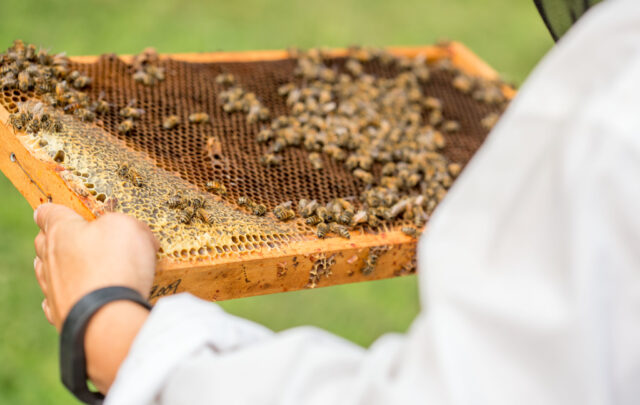
The U.S. Department of Agriculture plans to close the Beltsville Agricultural Research Center, a 6,500-acre agricultural research station in Maryland that is home to the nation’s premier bee research and disease diagnosis hub. The closure comes at a critical moment for bees.
July 15, 2026

