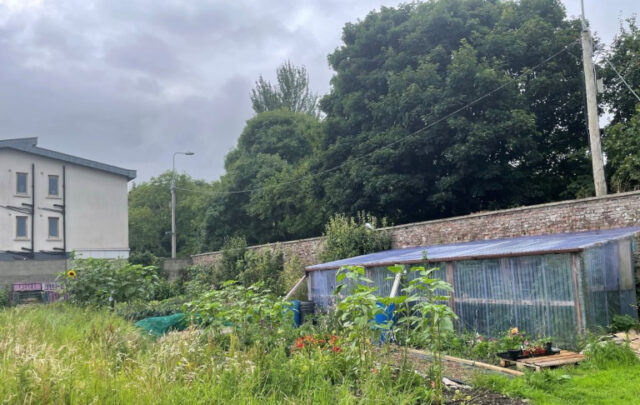
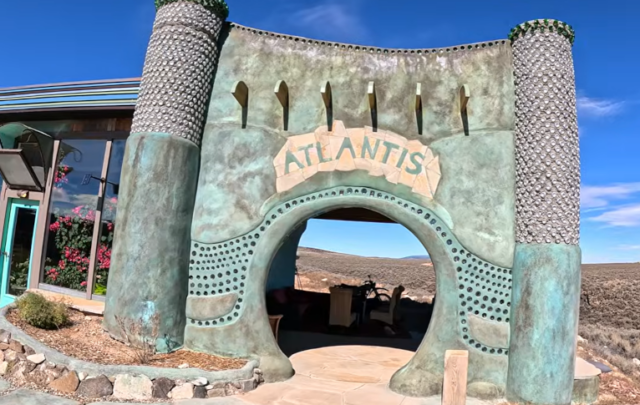
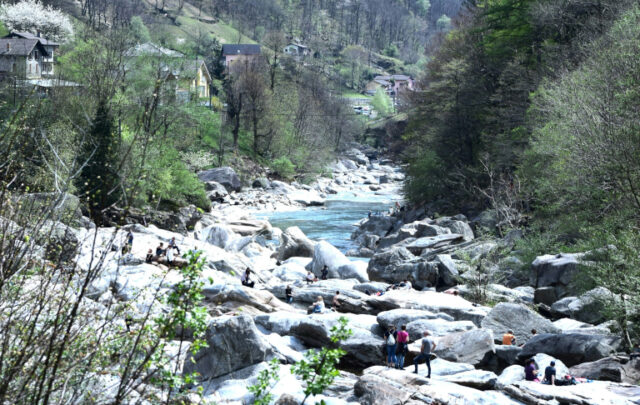
What is an Ecovillage and how do practices and values different from ordinary life within consumer capitalist societies? And what would the world look like if there were millions of Ecovillages emerging to replace industrial civilisation? In this presentation Dr Samuel Alexander examines these question and draws on research which attempts to measure the energy and resource reductions of Ecovillage living. After reviewing an inspiring example of the Dancing Rabbit Ecovillage, Alexander examines how access to land can be a barrier to embracing such low-impact living.
This is Part VI of the Ecological Civilisation series.
00:00 – Introduction
02:18 – Review
07:25 – Ecovillage analysis
17:59 –Land as a barrier
33:03 – Conclusion
The introduction to this series is available here:
https://www.youtube.com/watch?v=WxC-r…
The series is grappling with the problems of consumerism and the growth economy; envisioning alternative, post-carbon ways of life; and considering what action can be taken, both personally and politically, to help build an ecological civilisation.
New presentations will be added to this playlist over time:
https://www.youtube.com/playlist?list…
You can support this channel by purchasing an e-book from the Simplicity Institute, available on a ‘pay what you can’ basis (edit the price as you choose for a donation):
Paperbacks are available here:
https://au.permacultureprinciples.com…
Samuel Alexander’s work is available here:
The Simplicity Institute website is here:
https://simplicityinstitute.org
LINKS REFERENCED IN THE PRESENTATION
Joshua Lockyer’s research on Dancing Rabbit Ecovillage:
https://journals.librarypublishing.ar…
Ted Trainer’s quantitative research on low-impact living:
http://www.paecon.net/PAEReview/issue…
Short analysis of land as a barrier to sustainable living by Samuel Alexander and Alex Baumann:
https://theconversation.com/access-to…
Long analysis of land as a barrier to sustainable living by Alex Baumann, Samuel Alexander, and Peter Burdon:
https://www.ppesydney.net/content/upl…
The work above draws inspiring from the Neighbourhoods the Work model developed by Chris Baulman:
OTHER ECOVILALGE LINKS
Link to Dancing Rabbit: https://www.dancingrabbit.org
Findhorn Ecovillage: https://www.findhorn.org
Global Eco Village Network: https://ecovillage.org
Thanks to Andrew Doodson, Jordan Osmond, and Antoinette Wilson for offering invaluable production advice.
The opening image is kindly provided by Melissa Davis.
Further image references are available here:
http://samuelalexander.info/image-ref…
The music is provided by Mortimer’s Method: https://mortimersmethod.bandcamp.com
Teaser photo credit: An eco-house at Findhorn Ecovillage with a turf roof and solar panels By W.L Tarbert – Own work, Public Domain, https://commons.wikimedia.org/w/index.php?curid=1274836