

Wanting to demonstrate that “cities can be less impactful on the planet,” natural builder Lydia Doleman bought and remodeled a Portland house to demonstrate her values. Composting toilets reduce water usage while feeding the soil. Growing food shortens dependencies. Building materials were recycled and/or less toxic. She revised the floor plan to create spaces which encourage shared living rather than separate spaces. She also built Portland’s first permitted straw bale residence a cob studio and. Take a tour with Lydia in part 2. Episode 246. [theflyinghammer.com]

Related Articles
'SELECT SQL_CALC_FOUND_ROWS wp_posts.ID
FROM wp_posts LEFT JOIN wp_term_relationships ON (wp_posts.ID = wp_term_relationships.object_id)
WHERE 1=1 AND wp_posts.ID NOT IN (1958309) AND (
wp_term_relationships.term_taxonomy_id IN (5,8988)
) AND wp_posts.post_type = \'post\' AND ((wp_posts.post_status = \'publish\'))
GROUP BY wp_posts.ID
ORDER BY wp_posts.post_date DESC
LIMIT 0, 3'

Prairie Prophecy: A powerful new film on Wes Jackson and the future of agriculture
A new documentary, Prairie Prophecy, explores the life and work of ecologist Wes Jackson, offering a compelling vision for the future of agriculture, sustainability, and our relationship with the land.
April 6, 2026
Scale Raises the Ceiling, but Fiscal Foundations Determine Whether Autocracy or Democracy Prevails
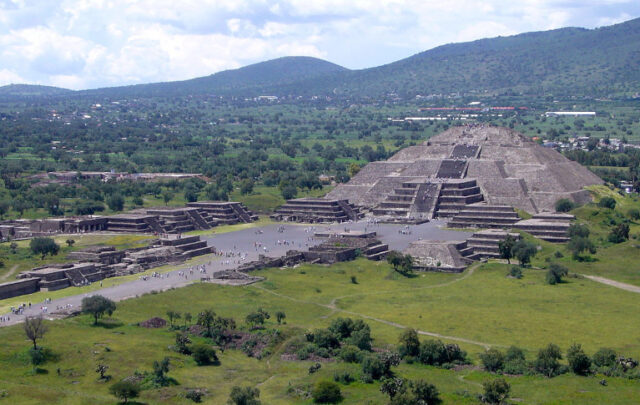
Understanding this deeper history widens our conception of political possibility. It reminds us that democracy has emerged through multiple pathways and has sustained under diverse historical conditions—and that its durability has depended not just on shared norms or formal institutions, but on the fiscal systems that underwrite them.
April 3, 2026
How to build community resilience in the face of abrupt economic decline
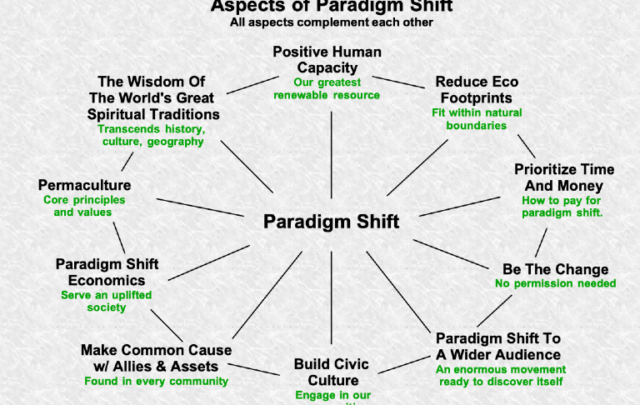
Benicia, California, is set to lose its largest single employer and source of tax revenue, a sprawling oil refinery. A Guardian article about this issue catalyzed this essay that describes what a thoughtful process might look like, if a community – any community – chose to pursue sustainability instead of economic growth.
April 2, 2026

