

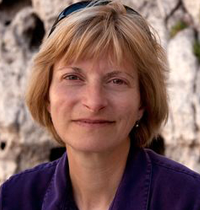
National Geographic Fellow Sandra Postel views the world through a water lens, advocating for all to make simple and easy changes to their everyday lives that will help "Change the Course" of the Earth’s precious supply of freshwater.

Related Articles
'SELECT SQL_CALC_FOUND_ROWS wp_posts.ID
FROM wp_posts LEFT JOIN wp_term_relationships ON (wp_posts.ID = wp_term_relationships.object_id)
WHERE 1=1 AND wp_posts.ID NOT IN (1823755) AND (
wp_term_relationships.term_taxonomy_id IN (3)
) AND wp_posts.post_type = \'post\' AND ((wp_posts.post_status = \'publish\'))
GROUP BY wp_posts.ID
ORDER BY wp_posts.post_date DESC
LIMIT 0, 3'
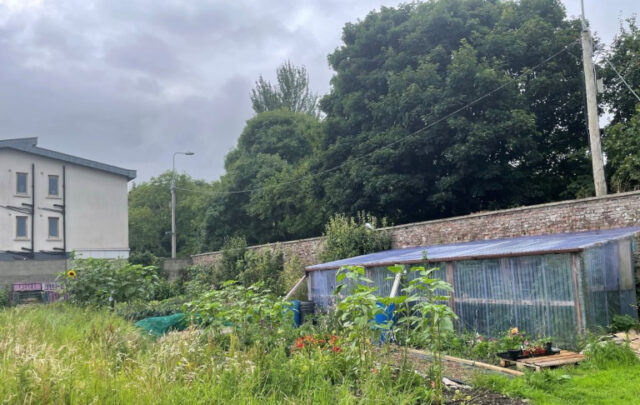
Sustainable gardening in the real world
There are many answers, and maybe none are completely right. But some of them are better than others. You find something that works for you and your land because you kept working at it. That is what most advice leaves out, and that is where the real work is.
March 27, 2026
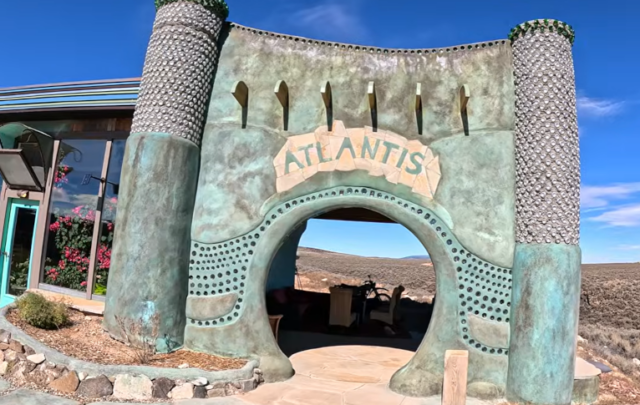
Inside the Off-Grid Earthship Community in New Mexico (YouTube film review)
Mainstream coverage of off-grid, self-sustaining communities like the one featured in this video tends to be glib and sensational (focusing, for example, on “trash homes”). It’s so much rarer to see in-depth coverage of the full social, technical and ecological aspects of such communities, or intimate glimpses into residents’ daily lives and motivations.
March 27, 2026
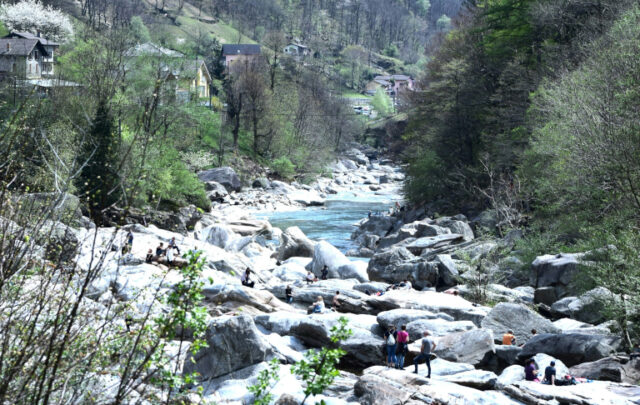
Finding Life in the Flux
Since stories serve in every culture as the workshops of meaning, the urge to craft new ones may signal our readiness at long last to face up to what’s coming. All stories have characters. The qualities we attach to the ones in leading roles and the fates that befall them as plots unfold tell us a great deal about what we fear and what we value.
March 27, 2026

