


Summary
 The American food system rests on an unstable foundation of massive fossil fuel inputs. It must be reinvented in the face of declining fuel stocks. The new food system will use less energy, and the energy it uses will come from renewable sources. We can begin the transition to the new system immediately through a process of planned, graduated, rapid change. The unplanned alternative-reconstruction from scratch after collapse-would be chaotic and tragic.
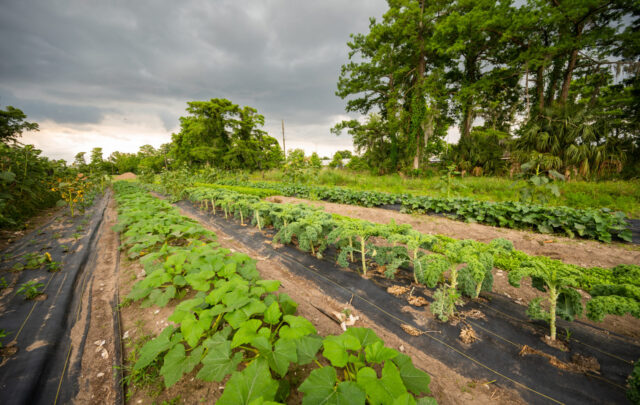
The seeds of the new food system have already been planted. America’s farmers have been reducing their energy use for decades. They are using less fertilizer and pesticide. The number of organic farms, farmers’ markets, and CSA operations is growing rapidly. More people are thinking about where their food comes from.
These are important building blocks, but much remains to be done. Our new food system will require more farmers, smaller and more diversified farms, less processed and packaged food, and less long-distance hauling of food. Governments, communities, businesses, and families each have important parts to play in reinventing a food system that functions with limited renewable energy resources to feed our population for the long term.



Comments
Welcome to the new Resillience commenting system!
We have moved from the former Disqus commenting system to a new system as of September 10, 2026.
We made this change because of privacy concerns regarding Disqus. It's also part of a set of changes to bring more services to the Resilience community under a single login: commenting, (coming September 2026), and online courses (coming 2027). Unfortunately, your old Disqus comments may not reliably link to your account in this new system. Please contact us if you have any questions or concerns.