

In a previous lifetime, Zia Gallina worked as a botanist for the National Parks Service, on the C&O Canal outside of Washington D.C. (lecturing on wild indigenous and naturalized medicinal and culinary plants). She was also an adjunct professor teaching biology and environmental science at American University, Washington D.C. But she has always been a champion of small-scale biointensive farming, tagging behind Mother Nature, trying to stay as close as she can get.
'SELECT SQL_CALC_FOUND_ROWS wp_posts.ID
FROM wp_posts INNER JOIN wp_postmeta ON ( wp_posts.ID = wp_postmeta.post_id )
WHERE 1=1 AND (
wp_posts.ID NOT IN (
SELECT object_id
FROM wp_term_relationships
WHERE term_taxonomy_id IN (47485,47486)
)
) AND (
(
( wp_postmeta.meta_key = \'the_author\' AND wp_postmeta.meta_value = \'3494157\' )
OR
( wp_postmeta.meta_key = \'secondary_author\' AND wp_postmeta.meta_value LIKE \'{12de298f8146ec8a9ffbdae9c0910fec297732b7a74460fbb679283ea2dd17a7}\\"3494157\\"{12de298f8146ec8a9ffbdae9c0910fec297732b7a74460fbb679283ea2dd17a7}\' )
)
) AND wp_posts.post_type = \'post\' AND ((wp_posts.post_status = \'publish\'))
GROUP BY wp_posts.ID
ORDER BY wp_posts.post_date DESC
LIMIT 0, 6'
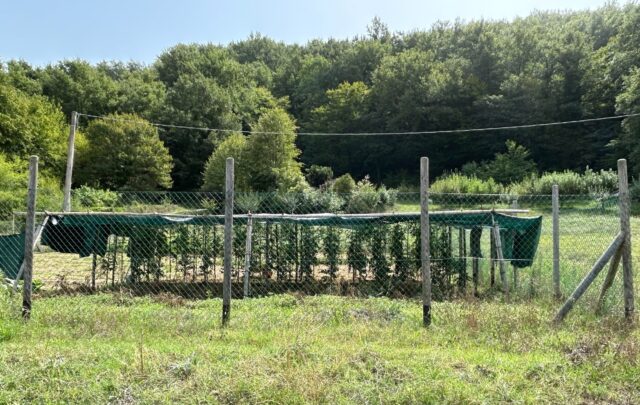
‘Water isn’t enough’: As extreme heat devastates farms, community wisdom is more vital than ever
My intention was to write about simple self-sufficiency, especially when it comes to growing food. But then this summer was challenging in a way I thought I was prepared for… but wasn’t.
September 18, 2026
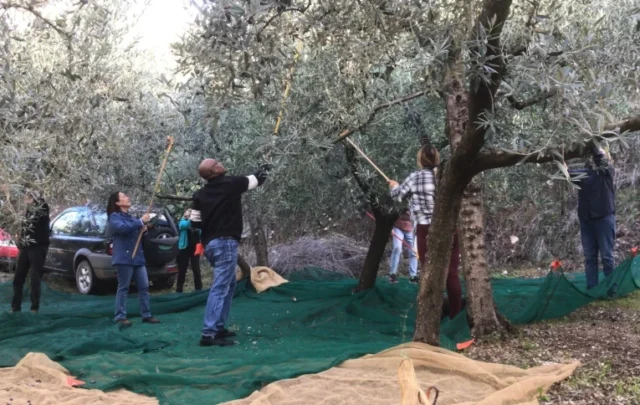
Finding Home Part III: Community
If we take back control of our food and our water we stop environmental degradation. We cannot do it alone. But we can do it within a community.
April 1, 2026
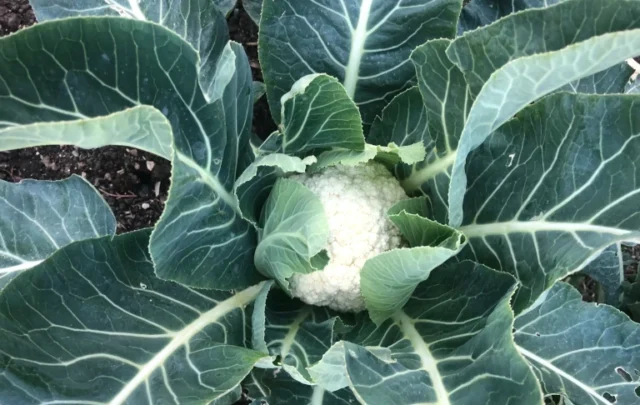
Finding Home Part II: Food
To be clear, a sustainable farmer does not grow food. With adequate nutrition from the soil, with energy from the sun, and moisture from the rain, plants do all the growing by themselves. And animals grow by acquiring the energy and nutrition from plants.
March 26, 2026
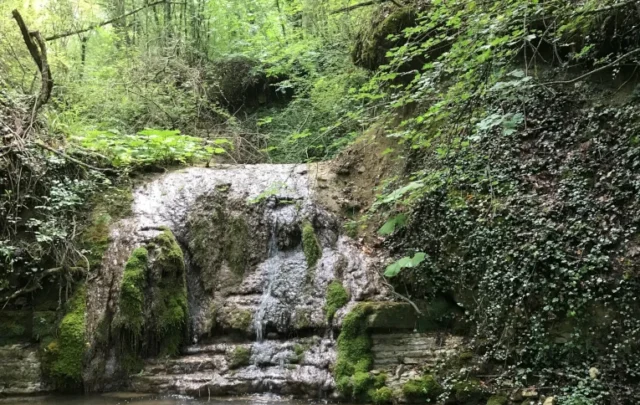
Finding Home Part I: Water
It is time to examine how we live, where we live, where we draw the line. We can take our anxiety and move it into action. We can plan and protect ourselves. And, amazingly, wonderfully, saving rainwater is something every one of us can do. It’s time.
March 19, 2026
NOW! IT’S TIME
There are simpler, healthier paths we can take. With instability in more than our climate systems, it is time to examine where we live, where we draw the line.
March 2, 2026
Permanent Agriculture Part 1: Tree Crops
Almost one hundred years later, Smith’s original ideas for planting a two story agriculture remain inspired—planting crop trees on challenging and depleted land. Trees can do most of the heavy work when it comes to feeding the inhabitants of our planet and repairing our land.
January 22, 2026

