

A village can be a neighborhood, a town, a group, an extended family, a church, or a business where most people know most others, at least by sight or within three degrees of separation. Thriving is a quality of a village: its culture, webs of relationships, traditions and rituals, and volunteerism.
We make the village by living. Maybe it’s a verb? We village.
In a recent post, I explored the role of matriarchs in thriving communities. And how “thriving communities” – as documented in dozens of films – may be like Blue Zones, places on the planet where people seem to live longer and flourish.
There’s a crucial difference between places where people thrive and a thriving community, though.
Tourists can flock to Blue Zones, and even emigrate there in pursuit of longevity, like the tales of Ponce de Leon looking for the Fountain of Youth in the swamps of Florida. But “thriving” is not in the place. It’s in the culture.
Tourists visiting Whidbey Island, where I live, don’t get what animates us by renting an Airbnb for a weekend, shopping in our two-street town, and eating at one of our restaurants. It’s not in the air or water. It’s in the relationships. People who move here, sooner or later, come to realize that they haven’t just bought a house or amenities, but have become part of something they can enter, or not. Their choice.
What’s the ticket into a Thriving Community?
Participation! Participation!
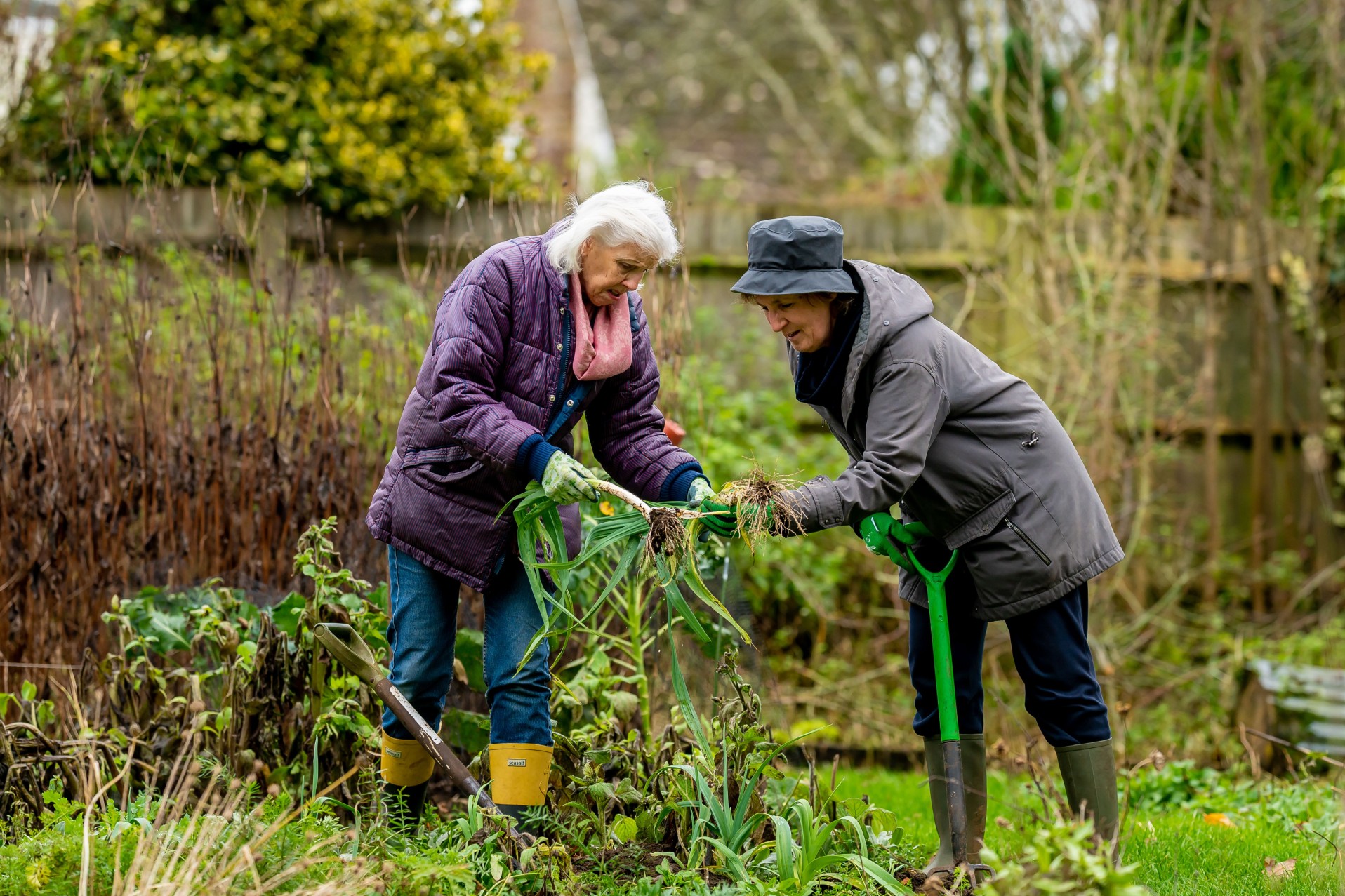
- You choose to belong by participating. Maybe you take a class. Maybe you stage manage for a play. Maybe you train to be a beachwatcher or master gardener. Maybe you sign up for workdays to clear blackberries or fix rotting porches. Maybe you show up at the same cafe at the same time, five days a week, until you become a regular. Maybe you volunteer in a soup kitchen or for playtime with toddlers. Maybe you offer a class through the library. Maybe you join a church, sing in the choir, or sell your crafts at the local farmers market — or shop there. Maybe you become a Soroptimist or a Rotarian. Maybe you start a discussion group on climate change or join a conversation group on aging in place. Or shop local, buy your books from the local bookstore. Buy a season ticket to the local theater or give away surplus from your garden. There is literally something for everyone who chooses to belong. If you are at a loss, there are always bulletin boards, local papers, or NextDoor. Giving your surplus on Buy Nothing shows your face. Being a newbie was awkward for me. There’s an unspoken hierarchy of old-timers based on how many decades they’ve lived here. Somewhere around a decade, you might lose your newbie smell. It takes time for a community to notice that you are participating, and until then, lose any city swagger and just… belong, as in be here long.
- You participate by both giving and receiving. You aren’t “less than” others if you need rides to the doctor, food on the table, or a meal train after surgery. You aren’t less than if you need tutoring or help with gardening. And you aren’t “more than” by being the giver. Those who serve on a Board are not greater than those who use the services. I don’t think thriving communities are only self-consciously reaching for an ideal and structuring institutions for the common good. That’s fine, but villaging is the glue.
- Pressure. This one is a guess, and I wonder what you think. I live on an island. The water is a natural boundary, and left, right, or center, we know in our bones that we depend on one another. We all live on “the rock,” as we say. Hard times are also a form of pressure. Local currencies flourish when the dominant currency goes into hyperinflation. I call this natural versus national currency. Once the national currency stabilizes, the pressure goes, and we are more apt to go it alone. However unique they may be, members of a congregation of any sort are members. Wendell Berry called this “a membership” – grown over time in the pressure of crises and celebrations, of showing up.
Have you heard about the power of the first follower?
Do you know of villages that function this way, that create well-being through participation, that don’t only rely on policies or government to solve problems or initiate programs (though they can help), that have enough tolerance of differences to enjoy working together. These are just a few of the tendencies I notice. What do you see where you are? In places you’ve visited? That you saw on the media or read about in a magazine?
I want to understand what makes a village thrive – together. This is my crazy dancing. What can you add? Tell your stories. Brag about where you live or work, and how and why it thrives. Have you visited somewhere in the world that blows you away with its culture of participation?
As the originator of Thriving Communities has said: “It’s common people doing uncommon work for the common good.”
When you have a lot of common people doing uncommon work for the common good, places thrive, developing the qualities that invite prosperity.
Back in the day, South Whidbey Island organized a Transition Town group that fostered “thriving in uncertain times”. Transition Towns UK set out a model of organizing that we followed. For three years we thrived. Then we ran out of volunteer energy needed to boost it to the next level – and unraveled. Still, so much was started in those years, and relationships built. Projects influenced by Transition Whidbey have formed and flourished, including me writing my book, Blessing the Hands that Feed Us.
I am pitifully Whidbey-centric. It’s what I know, and I also know we aren’t unique, that there are many thriving communities that we don’t know about. So help me with some citizen action research and share, however you choose, news of such places.
Share your thoughts in the comments below, or tell Vicki about thriving communities you know directly through her website, Coming of Aging.




Comments
We changed commenting systems on September 10, 2026 as part of a site-wide functionality and security upgrade. Your past comments have not disappeared, and you can still log in with your old Disqus account credentials if you wish. Contact us with any questions.