

Recorded August 21 2023
Description
In this week’s Frankly, Nate considers 7 different continuums of perspectives people use when taking part in a “systems” discourse, such as The Great Simplification podcast is attempting. In such complex and often controversial discussions, each of us has a point of view that stems from our own personal experiences, knowledge and identity – yet how we channel that point of view into the larger discourse matters. How does understanding our own perspectives potentially help us side-step mental roadblocks and become more open to other possibilities and actions? What are the hidden ruts that we can fall into when discussing the future with others that we’re not consciously thinking of and can we learn to avoid them? Can shifting our perspective along the spectrum of potential responses open dialogue and facilitate more inclusive and cooperative conversations as we collectively try to meet the future halfway?
Show Notes
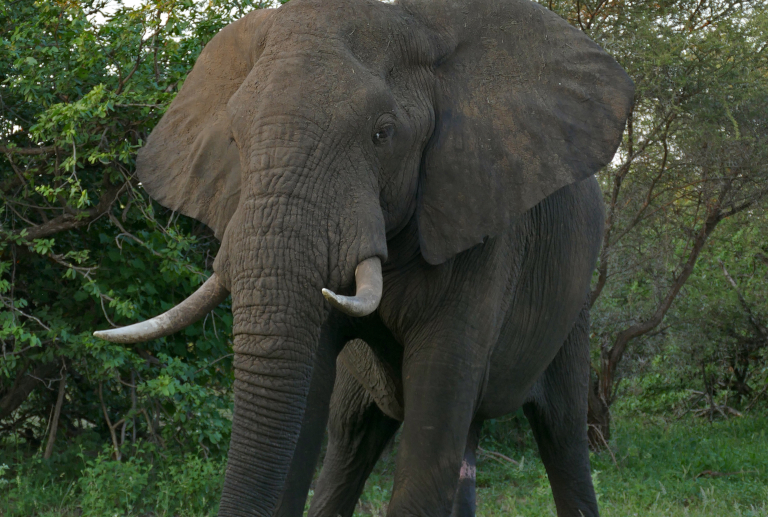
00:24 – Do The Math essay on Wild Mammal to Human mass ratio over time
01:37 – Number and average weight of animal populations is diminishing
04:10 – Frankly #41
05:47 – Discount Rate
08:23 – Splitting
09:16 – Reality, Probability, and Perception | Frankly #29
12:19 – Ken Wilber, Tomas Björkman, Metamodern






Comments
We changed commenting systems on September 10, 2026 as part of a site-wide functionality and security upgrade. Your past comments have not disappeared, and you can still log in with your old Disqus account credentials if you wish. Contact us with any questions.
Yes, we’re crazy, or at least acting that way with great sincerity. The only hope I can imagine now is that after a few billion human deaths, many in CONUS, we’ll have a large-scale change in perception among functional elites which might tend to precipitate into sane governance on at least a few core issues of Climate Breakdown. Really, the only important variable in this is the time it takes for this to occur in the real world – the worst-case scenario is if it only happens after the collapse of key governance structures. Likely the best-case scenario is if it occurs before, say, the 2030 timeframe – but evidently the occurrence of best-case scenarios is relatively rare.
And you can tell just how grim shit has gotten when you must resort to modeling the future by counting human bodies as the primary variable. Of course, it’s not grim yet – the world is just burning and people dying/fleeing. But the rest of this decade will rapidly turn every following summer into the 2023 summer, but steadily getting even hotter. That will be very grim indeed.
http://yavapaiweathertracks.org/2030_Summers_Prediction_JUL2023.png