

For over forty years, Nash Huber has grown healthy plants, soil, seeds — and now future farmers. He nurtures soil fertility with compost, cover crops and chicken tractors. He saves seeds from plants that are best suited to local growing conditions — that’s how he developed his own variety of purple kale. He rotates crops in various plots, so soil can be given a rest and replenish depleted nutrients. As for future farmers, Nash says it takes ten years minimum for young folks to learn how to farm — all hands-on, of course. Episode 245. [nashsorganicproduce.com].

Related Articles
'SELECT SQL_CALC_FOUND_ROWS wp_posts.ID
FROM wp_posts LEFT JOIN wp_term_relationships ON (wp_posts.ID = wp_term_relationships.object_id)
WHERE 1=1 AND wp_posts.ID NOT IN (1924985) AND (
wp_term_relationships.term_taxonomy_id IN (4)
) AND wp_posts.post_type = \'post\' AND ((wp_posts.post_status = \'publish\'))
GROUP BY wp_posts.ID
ORDER BY wp_posts.post_date DESC
LIMIT 0, 3'
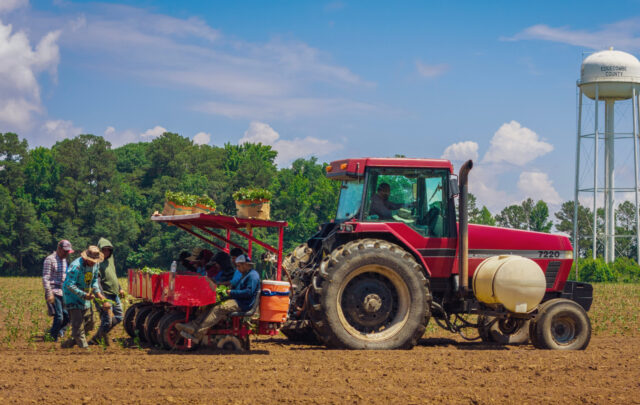
The restoration of farms and farmers: Why Denmark is rethinking industrial agriculture
Farmer organisations should stop selling agriculture as just another industry and instead reclaim it as a mission rooted in land stewardship and care for animals and ecosystems. But with many farmers locked into debt and infrastructure that bind them to the current model, meaningful change can’t rest on farmers alone, the responsibility rests with society at large.
June 15, 2026
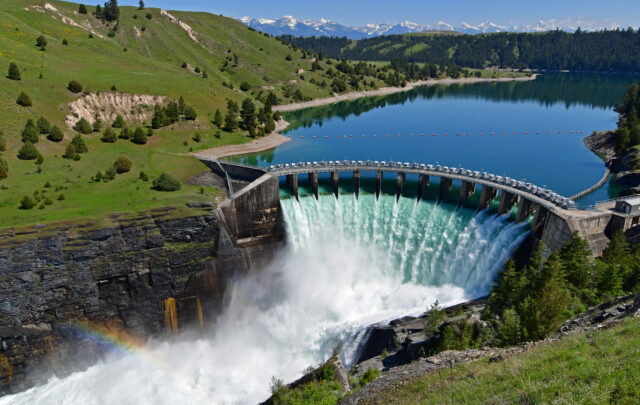
For 6,000 years humanity controlled water. Climate change is changing the equation
For 6,000 years, human societies have sought to control water through ever-larger infrastructure. As climate change brings more extreme floods, droughts and heatwaves, a growing number of cities are exploring a different path: adapting to water’s rhythms rather than trying to dominate them.
June 11, 2026
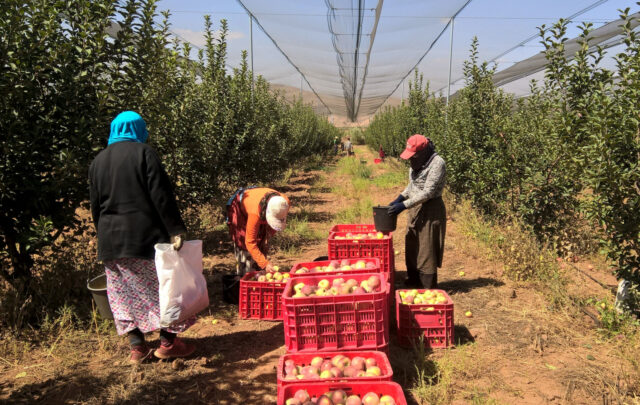
As global shocks mount, a new report calls for resilient, self-reliant food systems
Resilient, self-reliant food systems. A new IPES-Food report says they’re key to addressing food price volatility amid rising geopolitical tensions.
June 10, 2026

