

Recently I interviewed David Holmgren, co-originator of the permaculture concept, at his property in Hepburn, Victoria. This was produced as part of the documentary I’m making this year with Jordan Osmond of Happen Films.

Related Articles
'SELECT SQL_CALC_FOUND_ROWS wp_posts.ID
FROM wp_posts LEFT JOIN wp_term_relationships ON (wp_posts.ID = wp_term_relationships.object_id)
WHERE 1=1 AND wp_posts.ID NOT IN (2976277) AND (
wp_term_relationships.term_taxonomy_id IN (3)
) AND wp_posts.post_type = \'post\' AND ((wp_posts.post_status = \'publish\'))
GROUP BY wp_posts.ID
ORDER BY wp_posts.post_date DESC
LIMIT 0, 3'
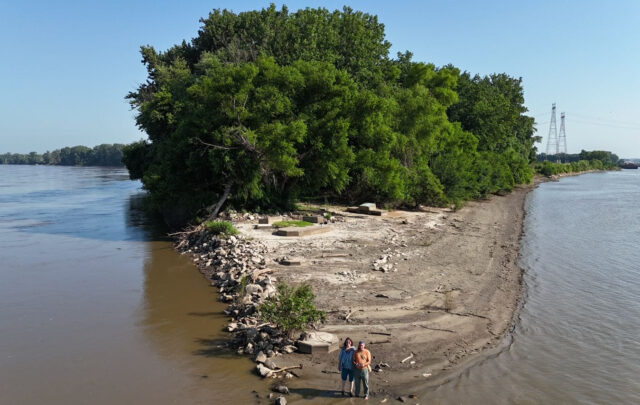
On a pilgrimage through the Mississippi Basin, a mission to create bioregional learning centers
We embarked on a journey of transformation, traveling to many sacred sites across the interior of the North American continent.
September 3, 2026
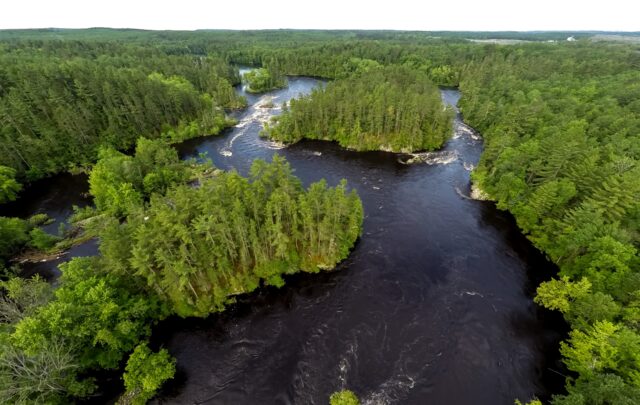
How restoration efforts helped Marinette County recover its forests, streams, and future
Marinette County could well become a model of sustainability. However, sprawling development may impede its progress as the next iteration of an economic threat to ecosystems.
September 2, 2026

How eco-localism differs from tariff terrorism
As soaring consumer prices, supply chain disruptions, and reductions in government-provided funding and services threaten communities, localists can help bolster local markets and inspire mutual aid efforts, helping mobilize folks to take more responsibility for their own collective resilience and well-being.
September 1, 2026

