

Landscape architect Owen Dell has a vision: transforming suburban neighborhoods into shared “foodsheds” with food-bearing and native plants, and even chickens. Neighbors can start by finding edible plants already growing in their yards, maybe remove fences, plant what works best in each location. Best of all, share the resulting food abundance with one another (“Hey, it’s lemon time. Come and get ’em!”) and build the social network with shared food potlucks. Tour Owen’s own edible landscape yard, including a rooftop container garden complete with visiting cat. (www.owendell.com). Produced August 19, 2008. Episode 123.

Related Articles
'SELECT SQL_CALC_FOUND_ROWS wp_posts.ID
FROM wp_posts LEFT JOIN wp_term_relationships ON (wp_posts.ID = wp_term_relationships.object_id)
WHERE 1=1 AND wp_posts.ID NOT IN (1217369) AND (
wp_term_relationships.term_taxonomy_id IN (4,8988)
) AND wp_posts.post_type = \'post\' AND ((wp_posts.post_status = \'publish\'))
GROUP BY wp_posts.ID
ORDER BY wp_posts.post_date DESC
LIMIT 0, 3'
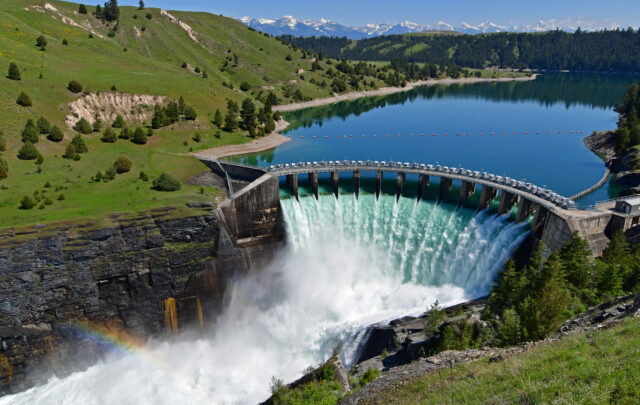
For 6,000 years humanity controlled water. Climate change is changing the equation
For 6,000 years, human societies have sought to control water through ever-larger infrastructure. As climate change brings more extreme floods, droughts and heatwaves, a growing number of cities are exploring a different path: adapting to water’s rhythms rather than trying to dominate them.
June 11, 2026
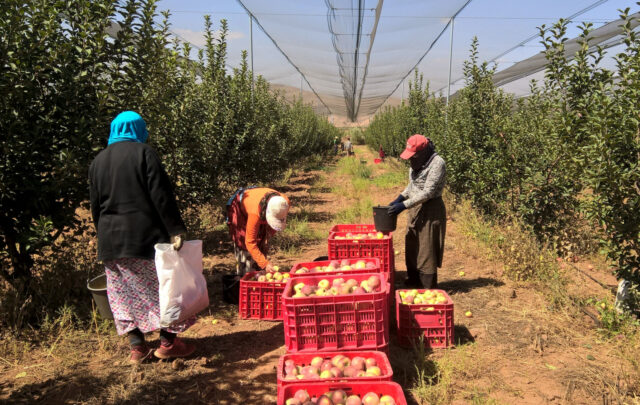
As global shocks mount, a new report calls for resilient, self-reliant food systems
Resilient, self-reliant food systems. A new IPES-Food report says they’re key to addressing food price volatility amid rising geopolitical tensions.
June 10, 2026
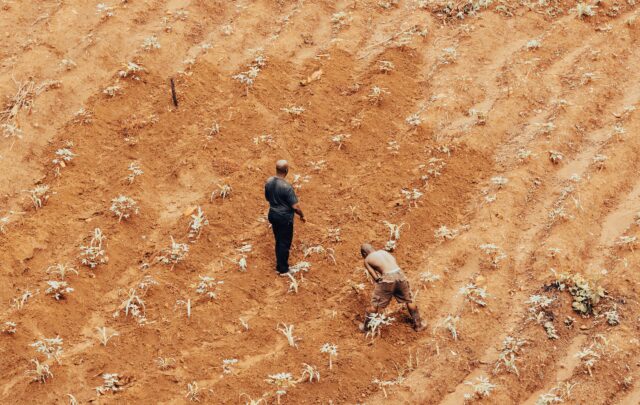
Four ways to build a food system that can withstand collapse
Rising energy and fertiliser prices linked to the conflict in the Middle East are increasing the risk of global food insecurity, prompting renewed questions about how to strengthen food security and reduce dependence on fragile global supply chains.
June 4, 2026

