

Dubbed the “implementation COP” and “COP of the Future,” this year’s COP conference centers on moving the global climate agenda from pledges to real-world progress. But amidst the optimistic rhetoric and the ignored targets of years past, one question remains most poignant: will this summit see the urgent changes needed to avert further climate catastrophe, or will it be just another climate boondoggle masquerading as a high-level gathering of so-called climate leaders?
From November 9-20, COP31 is scheduled to convene in Antalya, Turkey, acting in the dual position of host and official COP president responsible for running the conference and the Global Climate Action Agenda, while Australia has been designated to lead the negotiations, a new model of governance that was established at COP30 last year.
Leaders from both the current presidencies have stressed the significance of dialogue, consensus and action, declaring their vision of operationalising the Paris Agreement across key primary fronts: climate finance, energy transition, and national climate plans, or nationally determined contributions (NDCs), in addition to the broader “cross-cutting” themes of sustainable agriculture, food security and green industrial transformations into international policy.
But how can we trust global leaders to act urgently on climate change when they have so far undermined local efforts to address it?
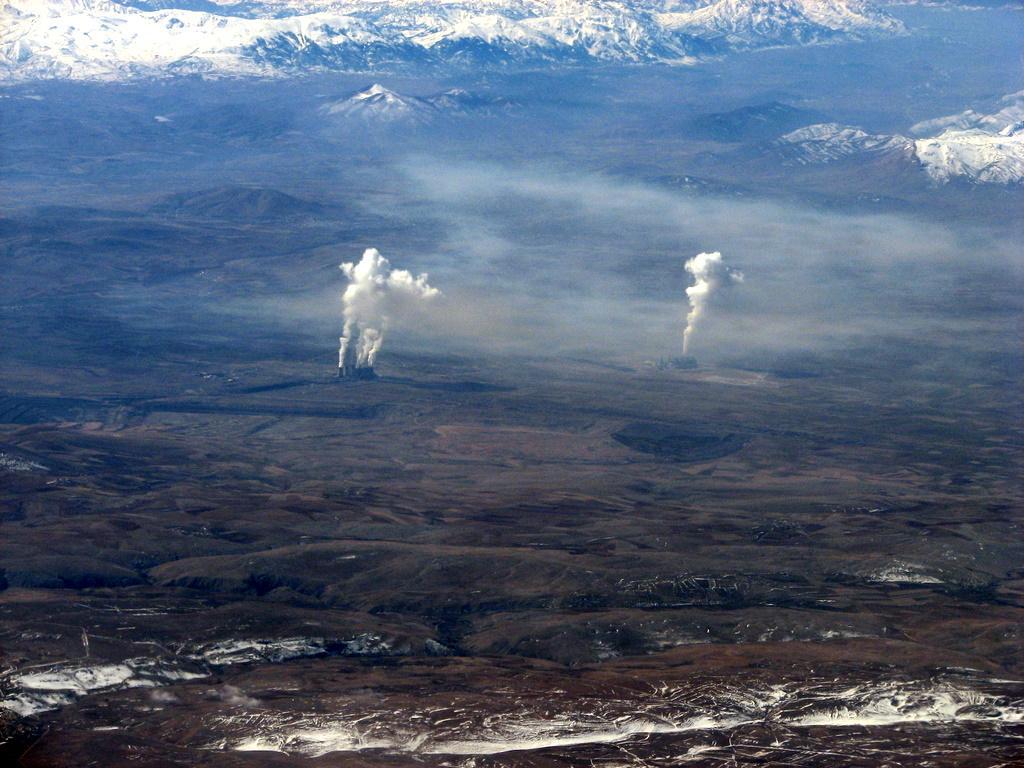
Turkey, for instance, continues to subsidize the expansion of fossil fuels. An official report by the Industrial Development Bank of Turkey found that fossil fuels accounted for 58% of Turkey’s total electricity supply in 2025 alone, significantly above the global average of 30%. While many Organization for Economic Co-operation and Development (OECD) nations, an “intergovernmental organization” consisting of 38 member countries including the U.S., Canada, the UK and Australia, have pledged to set up coal phase-out objectives under the Paris Agreement, Turkey has been notably “reluctant” to set any such goals despite fully exploiting domestic lignite reserves.
In 2024, Human Rights Watch highlighted how thermal power complexes in Turkey’s Kahramanmaraş province are driving severe public health crises among local communities. The investigation revealed extremely hazardous levels of airborne toxins directly linked to surging cases of respiratory and cardiovascular diseases and even cancer.
The irony in Turkey’s ambition to brand the COP31 as the ultimate “Implementation COP” stands out sharply against growing international attention to its own domestic decarbonization trajectory. As it prepares to press delegates to ensure their next NDCs 3.0 comply with the 1.5°C limit, Ankara’s plan has drawn harsh criticism from independent experts. The 2030 NDC of Turkey foresees a 41% GHG emission reduction based on a Business-As-Usual (BAU) scenario.
While there is a clear implementation gap in Turkey’s climate policy, the global climate framework, especially under the Paris Agreement, provides fertile ground for such inconsistencies to be nurtured, where inefficient policies that are essentially a replication of previously failed approaches are rebranded as breakthroughs conferring legitimacy on the status quo. The framework lacks a proper enforcement mechanism, giving the sense of what scholar Iza Ding calls “performative governance”, where language, symbols and gestures are used under the facade of effective governance in front of a global audience.
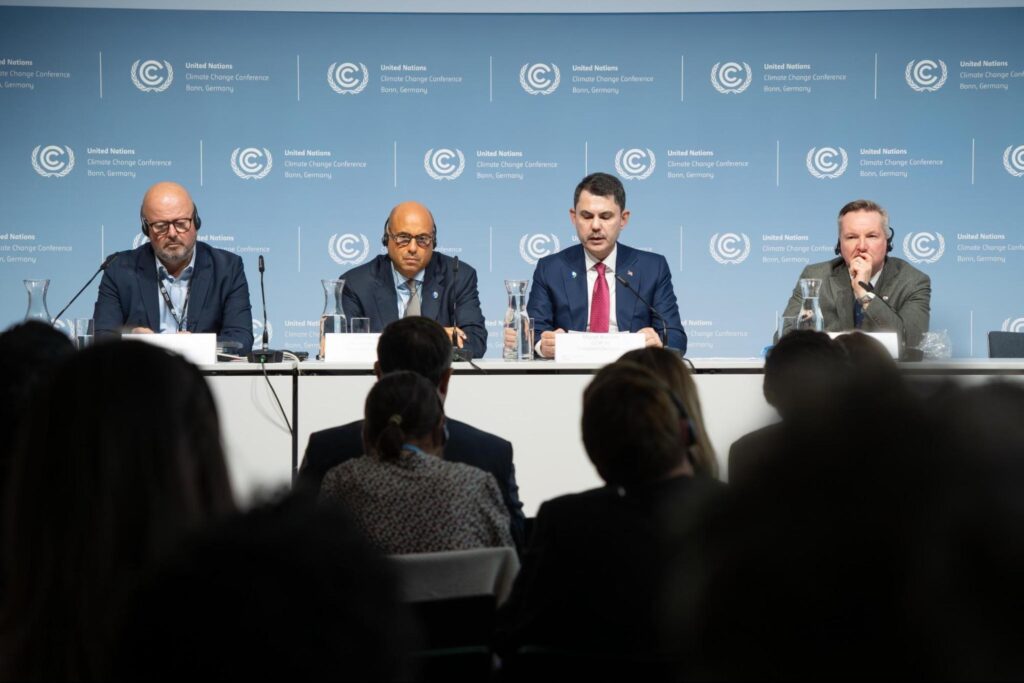
For nearly three decades, international summits danced around the central driver of global warming, relying on euphemisms and peripheral targets. It was only at the COP 28 in Dubai that a final negotiated text came to the fore, calling for a transition away from fossil fuels. However, this mandate was soon challenged by the familiar inertia of implementation. Fossil fuel lobbyists still dominate political discourse despite these stark realities. This was evident at COP 30, where every one of the 25 delegates represented fossil fuel interests. Similarly, COP 28 in Dubai witnessed the unprecedented presence of an estimated 2400 delegates with direct or indirect affiliations to the fossil fuel industry. Real resilience is achieved by going beyond the façade of net-zero talk, and towards real structural accountability.
Climate Justice and COP 31
In a conference of parties, where there are visible contradictions between the host nations’ promises and on-the-ground realities, climate justice for the Global South risks being relegated to the periphery. In recent times, case studies from a few developing countries have once again brought this issue to the fore.
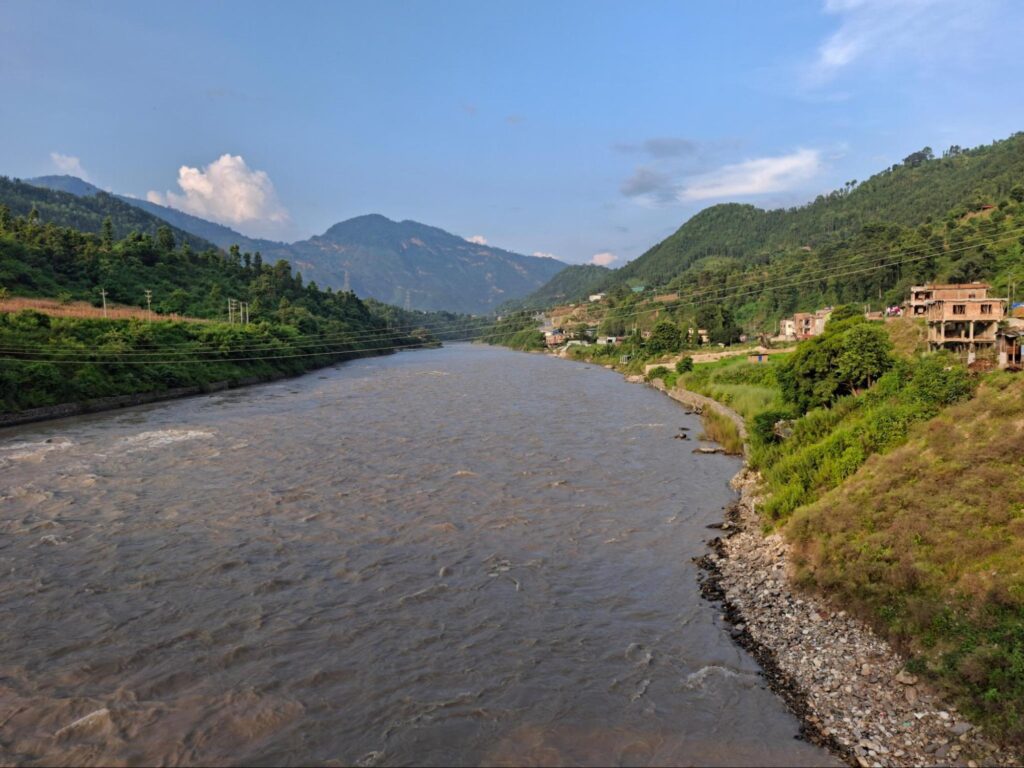
In August, the catastrophic glacial mountain collapse in Nepal triggered a massive avalanche that surged through its Trishuli River system, killing nearly 1,400 people and leaving the number of missing persons as high as 5,000. While Nepal sustained an estimated $4.7 billion in losses, the Fund for Responding to Loss and Damage (FLRD)—a UN-administered fund—has set aside only 21.6 million in damage reparations. While this is a milestone bureaucratic turnaround, it represents a fraction (0.5%) of Nepal’s recovery needs, highlighting the gap between available funding and the scale of destruction. Even this speed proved too slow for a real-world emergency, drawing criticism from activists on the ground.
The case study of the Maldives is also notable. It stands on the front lines of an existential crisis driven by climate-accelerated sea-level rise and severe erosion. Over 80% of its landmass sits less than 1 meter above sea level, requiring billions of dollars in continuous capital expenditure for climate adaptation. The Maldives is responsible for just 0.003% of global emissions, yet its urgent pleas for predictable grant-based finance remain largely unanswered, pushing its 520,000 inhabitants into imminent peril.
Without direct UN funding, this small island nation must rely on external support, pushing it further into debt. As of October, it faces an acute economic crisis, and Finance Minister Hassan Zareer is seeking international financial aid to prevent bankruptcy.
According to the Fill The Fund Campaign, climate-aggravated economic loss and damage in developing countries might reach an estimated average of around $ 400 billion by 2030 and far more in the following decades. While the Global North continues to stall the capitalization of the New Collective Quantified Goal (NCQG), the most vulnerable nations are compelled to underwrite their own survival, forced to pay the carbon debt of the industrialized through their own economic and environmental ruin.
These cases highlight the cruel paradox of climate finance: countries like Nepal and Maldives, which account for an insignificant proportion of the world’s emissions, are compelled to choose between fiscal default and total environmental submersion. Such evidence begs the question of whether international forums are merely serving as platforms for hollow promises, designed to mask the inaction of wealthy nations at the existential cost of some of the world’s most vulnerable populations.
The climate governance space urgently needs effective agenda-setting, including a reassessment of metrics for scarce-fund allocation and debt-inducing financial architectures. Furthermore, addressing the diversion of concessional resources away from states identified as highly at risk by the UN multidimensional vulnerability index (MVI) is a requisite for true climate justice. Ultimately, only time will reveal if the commitments forged at COP31 can meet this mandate, or if they are destined to become just another hollow chapter in global climate diplomacy.




Comments