

In the period leading up to the Second World War, technological advances were rapidly redefining everyday life, including the widespread use of a new class of superchemicals that promised to solve all our household problems. Perfluoroalkyl and polyfluoroalkyl substances, or PFAS, are a class of synthetic chemicals known as “forever chemicals”, which have quietly infiltrated our daily lives.
PFAS have been found in seemingly innocuous items throughout your home: non-stick cookware, food packaging, pizza boxes, popcorn bags, seafood products, dairy, and even tap water. The chemicals are used in some textiles, including furniture, carpets, rugs, and other stain-resistant fabrics. Other places you can find them are in shampoo, toilet paper, dental floss and even your phone.
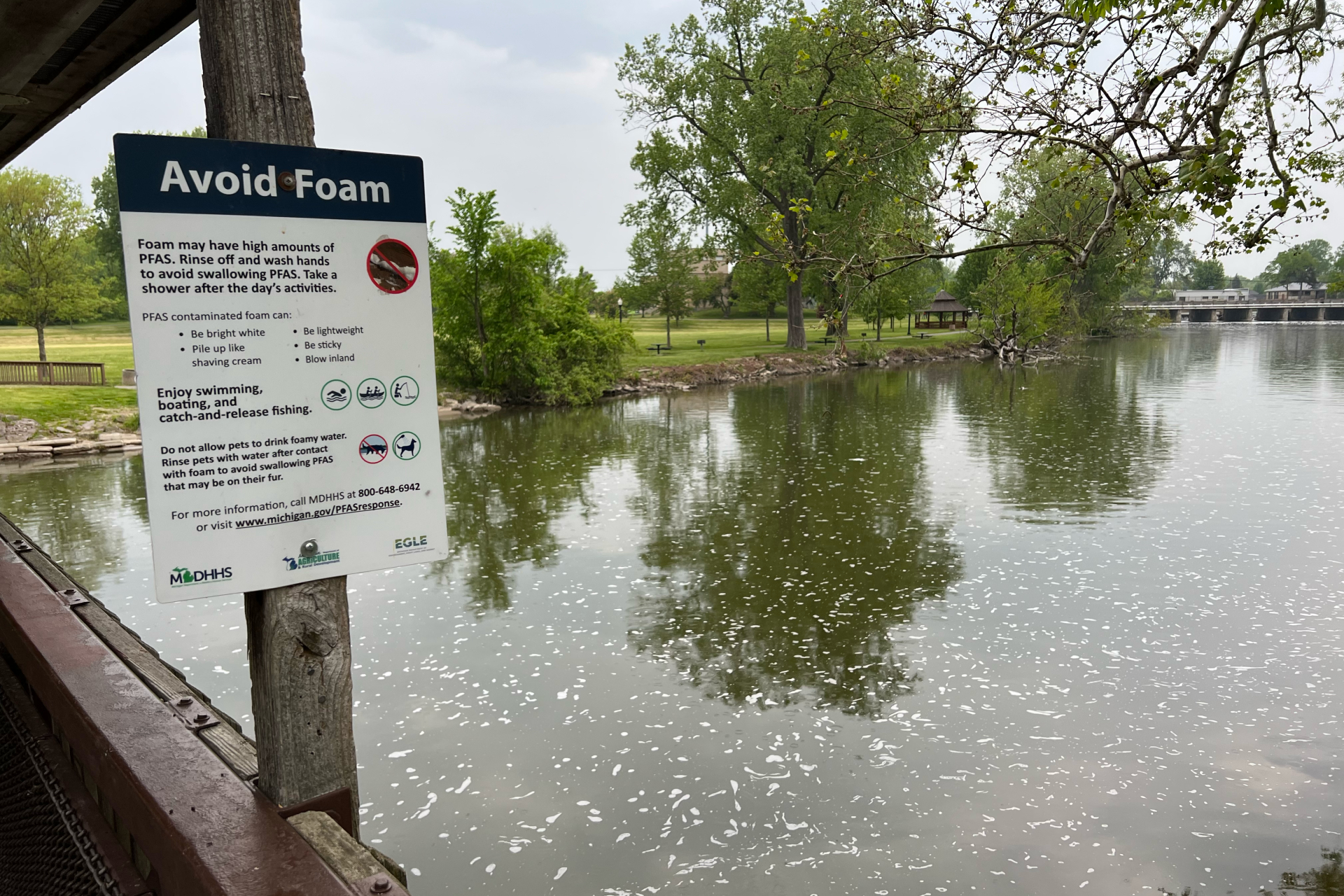
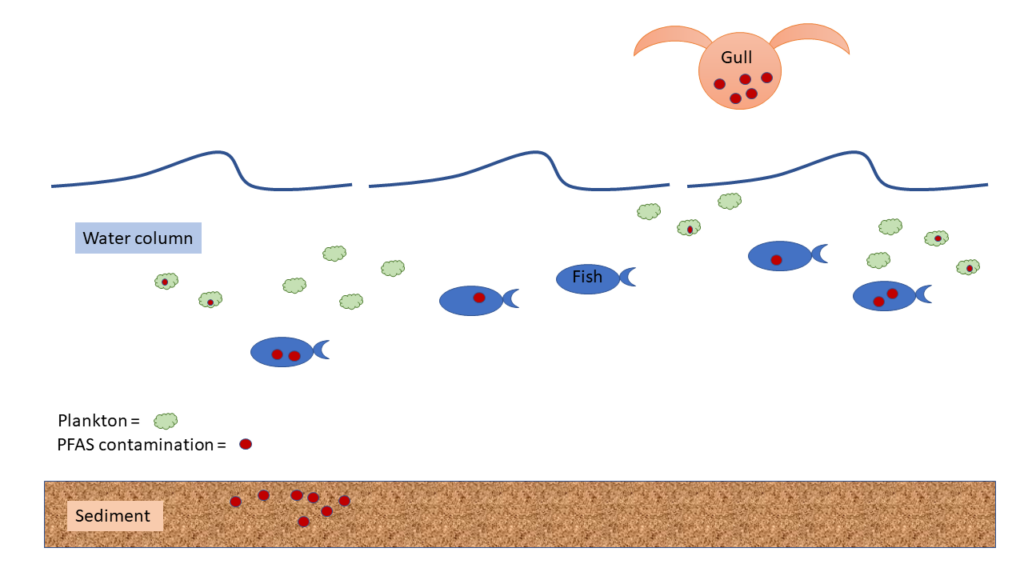
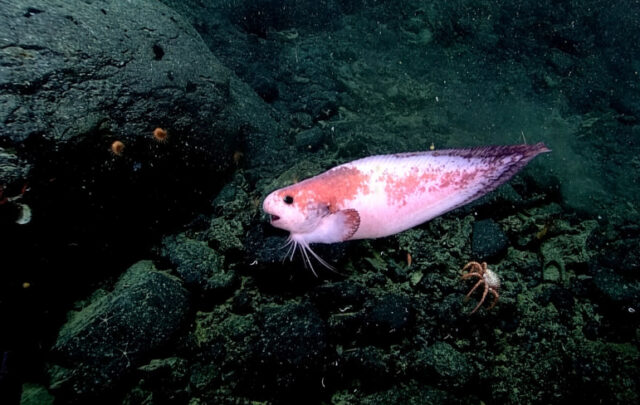
In fact, PFAS are now so ubiquitous that they have been found in our water sources, soils, air, and food. Their extreme resistance to biodegradation means they are now deeply embedded in our natural world, from Mount Everest to the deepest oceans.
If PFAS are so dangerous, then why are they still used in so many products? The answer is simple: money and convenience.
The global market value of PFAS was $14.3 billion and is projected to exceed $20 billion by 2029. While companies became aware of the serious risks posed by PFAS as early as the 1960s, this information wasn’t disclosed publicly until the late 1990s. Various lawsuits helped expose the truth, but by then the damage was already done.
“PFAS are a cancer-causing class of chemical that does not belong anywhere near our children and families….. convenience should never overshadow safety.” – Brad Hoylman, Manhattan Borough President
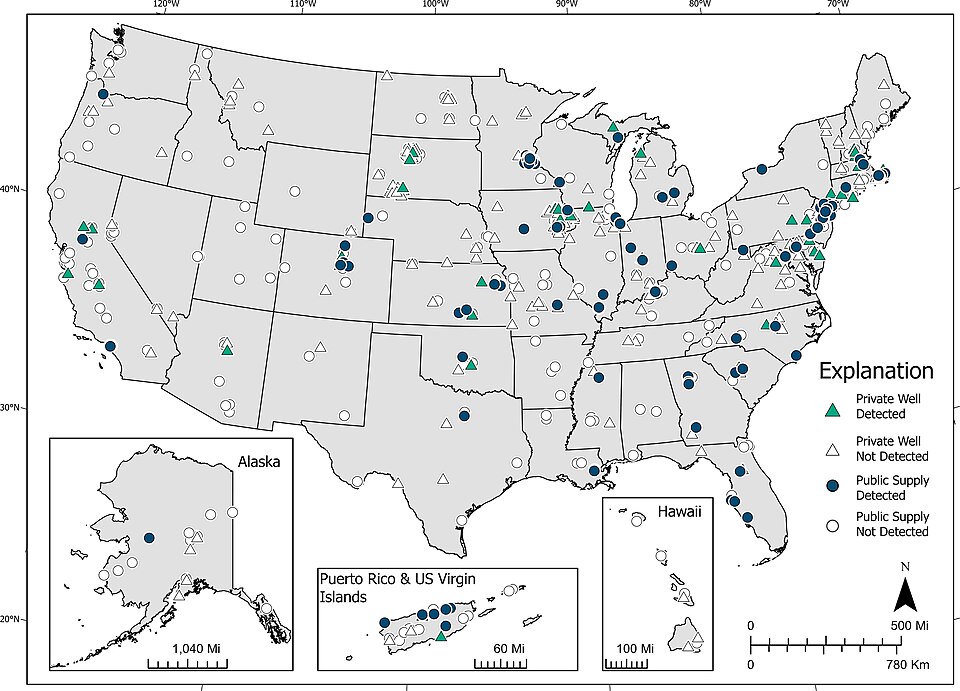
Revelations have been alarming. The CDC estimates that forever chemicals are present in the blood of 97% of the U.S. population and in about 75% of urban tap water samples. A similar picture has emerged in Europe, where over 17,000 contaminated sites and about 2,300 hotspots with extremely hazardous concentrations have been discovered. Health costs in the EU due to PFAS exposure range from €52 to €84 billion annually.
These highly harmful chemicals can cause immune dysfunction, increased risk of cancer, various reproductive implications, immune system repression, higher risks of obesity and type 2 diabetes, and developmental issues in children.
The effects are most severe for those living in close proximity to manufacturing plants, military bases, airports, and landfills, where the water, soil, and air are more highly contaminated.
Recent global studies found that most groundwater samples contain these chemicals, and, even more worryingly, that no known contamination sources are identified.
How one farmer changed everything
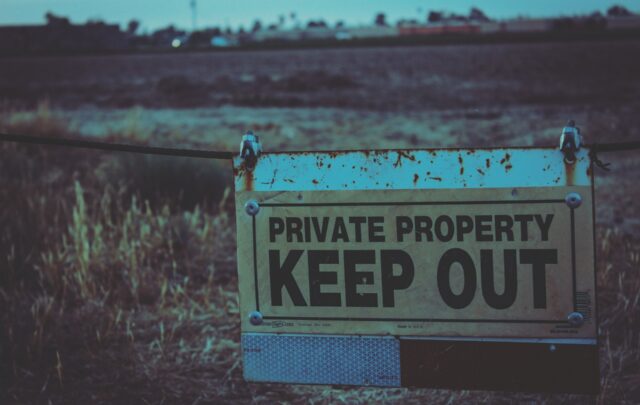
In 1999, Wilbur Earl Tennant filed the first-ever lawsuit against chemical company DuPont. After watching more than 100 of his cows suffering from unexplained health issues and cruel deaths, Tennant began to suspect contamination of the water supply, which ran downstream of a landfill site.
This unlined landfill was the site where DuPont dumped over 7,000 tonnes of PFOA sludge in the late 1980s. Concerns about its toxicity prompted them to test the local creek water, which showed extremely high levels of PFOA.
His fight against a multibillion-dollar company turned into a massive class-action lawsuit that has laid the foundation for thousands of other cases to this day.
The events inspired the movie ‘Dark Waters’ and various other documentaries, bringing the issue of PFAS to the fore.
As of early 2026, U.S. chemical companies, including 3M, DuPont, Chemours, and Corteva, have paid approximately $14 billion in total settlements to resolve litigation over PFAS contamination.
How to reduce exposure to PFAS
As the toxic legacy of PFAS begins to emerge, progress on regulating its use has been significantly delayed – but things are changing.
In the EU, governments are working to restrict PFAS as a group, covering all 10,000 substances with a goal of a near-total ban. In 2026, PFAS were banned in food packaging, and a new limit was placed on drinking water.
In 2026, the UK government launched a plan to map, restrict, and manage PFAS. It involves phased restrictions, including imposing a drinking water limit, banning firefighting foams, and imposing stricter regulations on industrial emissions, to be rolled out next year on all non-essential products.
Historically, the EPA has taken steps to improve drinking water standards, but under the Trump administration, these limits have been reversed. Recently, the EPA have even permitted the new use of certain PFAS in pesticides.
The U.S. is compromising public health and water safety to reduce regulatory burdens on industries and continue lining their pockets. Despite intense industry lobbying, the EU has taken a proactive approach, but the global response overall is slow and wholly inadequate.
Not only must we stop adding to the PFAS pollution burden, but we must also tackle the existing accumulation of it in our environment.
As individuals, we can reduce our exposure in the following ways:
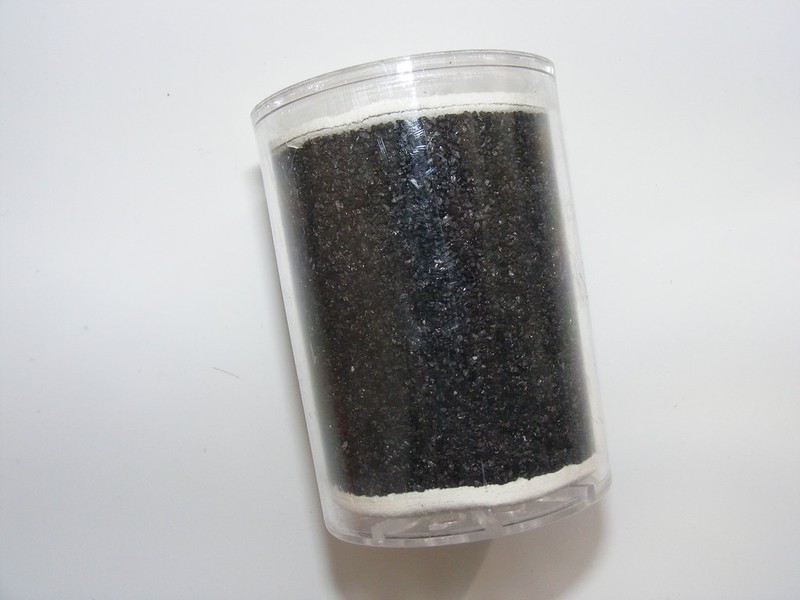
- Install a water filter which uses activated carbon or reverse osmosis.
- Contact your local water supplier to find out when their last testing was and for a copy of the results.
- Replace traditional non-stick cookware with cast iron, stainless steel, glass, or ceramic.
- Avoid eating anything that came in grease-resistant packaging, such as fast-food wrappers, pizza boxes, and microwave popcorn.
- Store leftovers in glass or metal containers, not plastic ones.
- Avoid carpets, furniture, and clothes treated with stain-resistant sprays.
- Check for labels which say PFAS-free or PFC-free.
- Steer clear of cosmetics, toiletries, and dental floss that list PTFE or perfluoro in their ingredients.
- Support organisations and local action groups which are pushing for stricter regulations on PFAS.
- Contact your local politicians to demand stronger restrictions on PFAS in products and on industrial pollution.
Chemical pollution has officially passed the safe limit for humanity. Strict universal regulation and improved accountability from polluters are the only paths forward to protect current and future generations.
Chemical-by-chemical regulation of a group which contains over 10,000 substances is futile. All PFAS must be banned through blanket legislation to achieve a prompt, effective solution to this dangerous problem. Any other response will take decades and leave one harmful chemical to be replaced by another.
The multi-billion-dollar PFAS industry has orchestrated a well-funded and shortsighted lobbying campaign to prevent further regulation and avoid a trillion-dollar cleanup bill. A phenomenon which has amplified as more countries consider sweeping bans.
What they fail to consider is that the cost of inaction is far higher.
We must move away from landfills and incineration and towards investment in destruction technologies that can break down the carbon-fluorine bond.
By reducing human and animal exposure to PFAS, we can begin to slowly reduce the impacts, but this approach only works if we prevent further contamination and stop the influx of new PFAS at the source.
“We’re facing a ‘forever chemicals’ crisis… at the cost of our health, our environment, and the lives of our loved ones.” – Mark Ruffalo.
A version of this piece appeared on Ecohustler.



Comments
We changed commenting systems on September 10, 2026 as part of a site-wide functionality and security upgrade. Your past comments have not disappeared, and you can still log in with your old Disqus account credentials if you wish. Contact us with any questions.
I never followed this story in any depth, though I knew it was important. I simply assumed that the banning of the whole class of PFAS had already happened, since it's such a well-known toxicity problem. But this article says no, that never happened. Hmm. That's scary.