

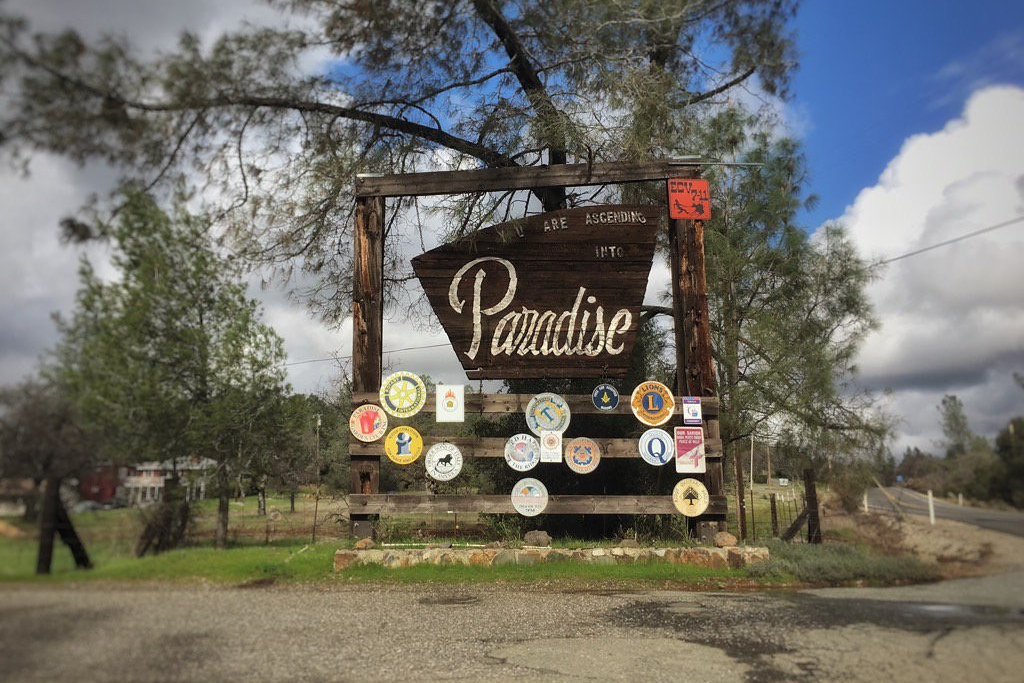
Wildfires have already burned nearly two million acres in the U.S. this year — far exceeding the ten-year May average — and conditions are only expected to get hotter and drier. Of course, wildfires are only one of many challenges we now face.
Last year, I heard the term “confluence of catastrophes,” which I’ve come to appreciate much more than “polycrisis.” Polycrisis suggests to me problems running in parallel, while confluence evokes forces flowing together — into us, through us, from us. How do we live, now, in our confluence of catastrophes?
For years, I’ve been grappling with different versions of the same question: under what conditions can catastrophe help rebuild healthy, resilient communities? I’ve worked with and in communities experiencing crisis for more than five decades. Witnessing the collapse of the Zimbabwean economy early this century was my first immersion in catastrophe. The earthquake disaster in Japan on March 11, 2011, when severe tremors triggered a devastating tsunami, was my deep initiation into working with communities in the aftermath of disaster. Six years of work in Japan opened the way for invitations from other communities — particularly the fire-affected communities of Northern California.
What I’ve learned in this time is that catastrophe can spark chaos, confusion, and grief. I’ve learned that a few experiences can release us from what was. But for most people, the desire to get back what they had before disaster struck — as soon as possible — remains. They don’t want to hear about composting toilets, cob building, or clustered housing. Communities pull together to meet immediate needs for rescue, food, and shelter — and then often pull apart again, with conflicting priorities and different visions.
Some people, often outsiders, see opportunities to exploit circumstances to make a quick buck. Building a destination resort in places where family homes once stood. Others just want the past back. And few see the potential to create something resilient.
More than 50,000 people had to run for their lives on November 8, 2018, when the Camp Fire burned out of control. 85 people lost their lives. Nearly 18,000 structures were destroyed. Paradise was turned to ash. People in the area soon came together to create a new organization to help build a healthier, more resilient community. Regenerating Paradise has been working to discover what “healthy” and “resilient” really mean ever since.
The folks at Regenerating Paradise knew they couldn’t go it alone, so they started reaching out across Northern California — looking for insights, allies, and connections to sustain them. They were a driving force in creating the Northern California Fire-Affected Communities Collaboratory (NorCalFACC) — a loose network of people and communities at risk from wildfires, supporting each other in putting people first.
NorCalFACC is organizing three learning exchanges this year. The first is in Paradise, CA, on May 14-15.
Participants will meet with community-based leaders to discover what they’ve done to restore relationship to place, how they are dealing with the immense need to create new affordable housing, and what’s happening with population, economy and infrastructure.
Whether you’re navigating your own community’s recovery, supporting one, or simply trying to understand what this moment asks of us, you’re welcome to attend the exchange. The fee is a sliding scale; pay what you can. Come share in the lessons learned from nearly eight years of rebuilding after disaster.
Residents in and around Paradise, California, who want to take part in the Paradise Learning Exchange on May 14–15, 2026, are invited to register to join and to learn more.
A version of this was first published by the author on Facebook.
Bob Stilger is the Founder and Board Chair of NewStories and Co-Founder and Board Member of Regenerating Paradise.


Comments
We changed commenting systems on September 10, 2026 as part of a site-wide functionality and security upgrade. Your past comments have not disappeared, and you can still log in with your old Disqus account credentials if you wish. Contact us with any questions.