

Discussion about how cooperative farming and racial equity in federal food policy can create economic sustainability in Black communities. Connect with the work of the panelists: Tahz Walker Website: Earthseedlandcoop.org Facebook: @earthseedlandcoop Jessica Gordon-Nembhard, Ph.D. Collective Courage: A History of African American Cooperative Economic Thought and Practice Sharrona Moore Websites: Indianablackfarmers.com & Lawrencecommunitygardens.org Facebook/Instagram: @IndianaBlackFarmersCoop & @lawrencecommunitygardens DeShawn Blanding Website: Ruralco.org Instagram: @ruralco Facebook: @RuralCoalition
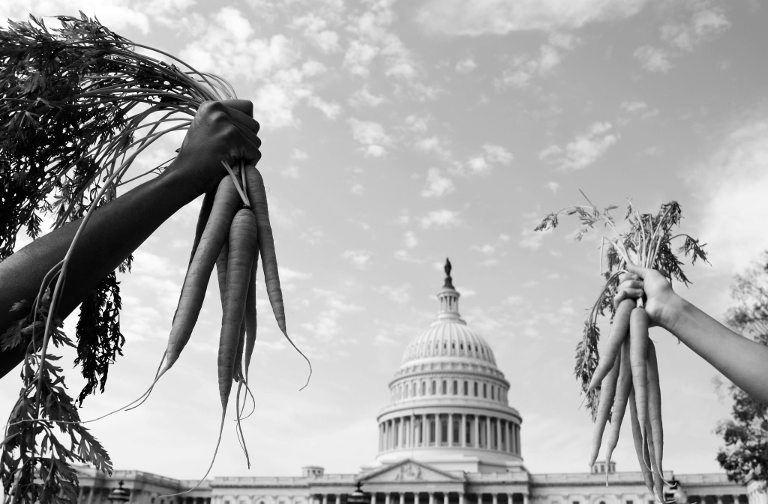
Teaser photo credit: National Sustainable Agriculture Coalition Facebook page





Comments
We changed commenting systems on September 10, 2026 as part of a site-wide functionality and security upgrade. Your past comments have not disappeared, and you can still log in with your old Disqus account credentials if you wish. Contact us with any questions.