

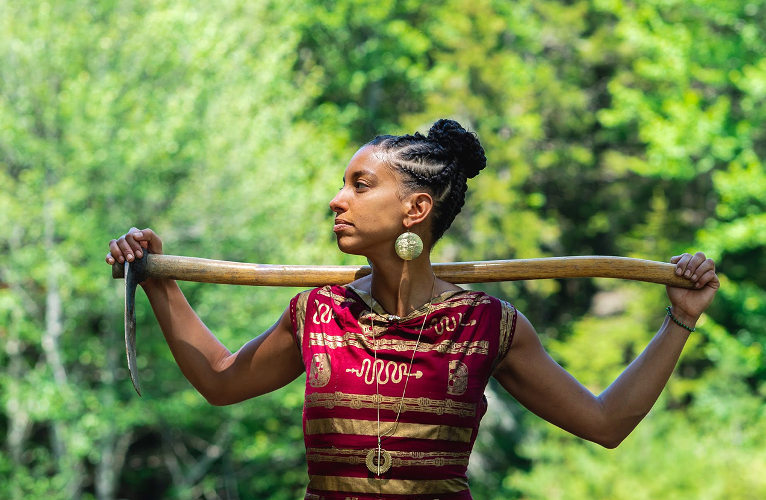
Some of our most cherished sustainable farming practices – from organic agriculture to the farm cooperative – have roots in African wisdom. Yet, Black farmers experience discrimination and marginalisation worldwide. Author, activist, farmer and founder of Soul Fire Farm in New York, Leah Penniman is committed to ending racism and injustice in our food system. Through programmes such as the Black-Indigenous Farmers Immersion, a sliding-scale farmshare delivery programme, and reparations work, Soul Fire Farm is part of an international network of farmers working to increase farmland stewardship by people of colour, restore Afro-indigneous farming practices, and end food apartheid. Watch Leah talk about this growing global movement and how ORFC delegates can contribute and help build a food system based on justice, dignity and abundance for all members of our community.
Act: Inspiration
Farming While Black: African Diasporic Wisdom for Farming and Food Justice, Leah Penniman
January 31, 2020
Related Articles
'SELECT SQL_CALC_FOUND_ROWS wp_posts.ID
FROM wp_posts LEFT JOIN wp_term_relationships ON (wp_posts.ID = wp_term_relationships.object_id)
WHERE 1=1 AND wp_posts.ID NOT IN (3479922) AND (
wp_term_relationships.term_taxonomy_id IN (4,8988,8992,8997)
) AND wp_posts.post_type = \'post\' AND ((wp_posts.post_status = \'publish\'))
GROUP BY wp_posts.ID
ORDER BY wp_posts.post_date DESC
LIMIT 0, 3'
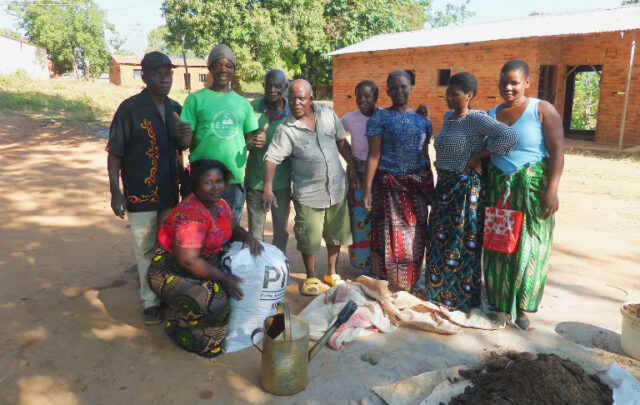
The restorative promise of agroecology: Farming for sovereignty and resilience in Malawi – Part II
In Malawi, farmers who have embraced agroecology are navigating the challenges of climate change, market pressures, and community needs.
April 7, 2026
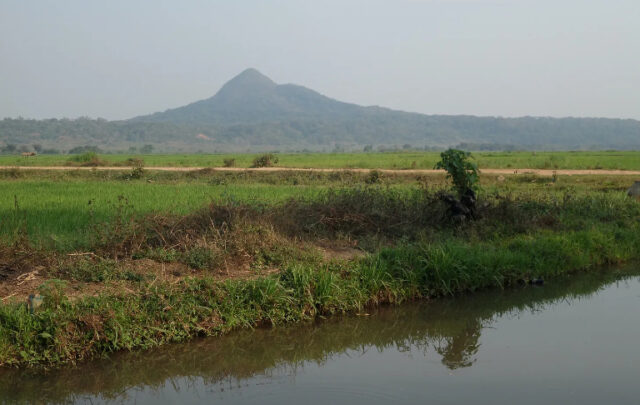
The restorative promise of agroecology: Farming for sovereignty and resilience in Malawi
In Malawi, where agriculture is central to daily life, an internship with an agroecology organisation offers an inside look at farming practices that challenge industrial food systems and support food sovereignty.
April 6, 2026
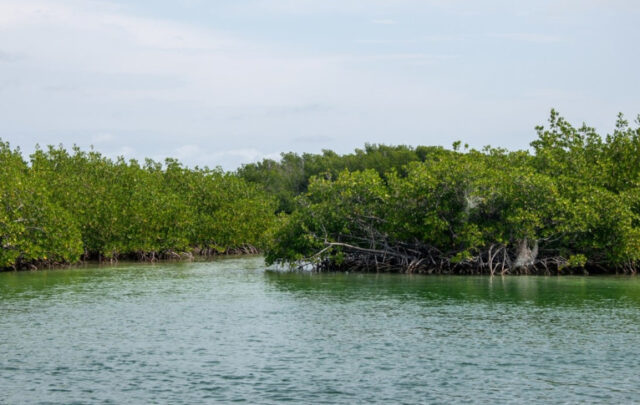
A New Wave of Collaboration for Our Oceans
In January, we launched a brand-new Marine Ecosystems Community of Practice – a collaborative initiative bringing together four Ecosystem Restoration Communities (ERCs) working at the frontlines of coastal and marine restoration.
April 3, 2026

