

The biosphere and econosphere are deeply interlinked and both are in crisis. Industrial, fossil-fuel based capitalism delivered major increases in living standards from the mid-18th through late-20th centuries, but at the cost of widespread ecosystem destruction, planetary climate change, and a variety of economic injustices. Furthermore, over the past 40 years, the gains of growth have flowed almost exclusively to the top 10%, fuelling populist anger across many countries, endangering both democracy and global action on climate change. This talk will argue that underlying the current dominant model of capitalism are a set of theories and ideologies that are outdated, unscientific, and morally unsound. New foundations can be built from modern understandings of human behaviour, complex systems science, and broad moral principles. By changing the ideologies, narratives, and memes that govern our economic system, we can create the political space required for the policies and actions required to rapidly transform to a sustainable and just economic system. Oxford Martin School, University of Oxford www.oxfordmartin.ox.ac.uk
Related Articles
'SELECT SQL_CALC_FOUND_ROWS wp_posts.ID
FROM wp_posts LEFT JOIN wp_term_relationships ON (wp_posts.ID = wp_term_relationships.object_id)
WHERE 1=1 AND wp_posts.ID NOT IN (3479869) AND (
wp_term_relationships.term_taxonomy_id IN (2,8994)
) AND wp_posts.post_type = \'post\' AND ((wp_posts.post_status = \'publish\'))
GROUP BY wp_posts.ID
ORDER BY wp_posts.post_date DESC
LIMIT 0, 3'
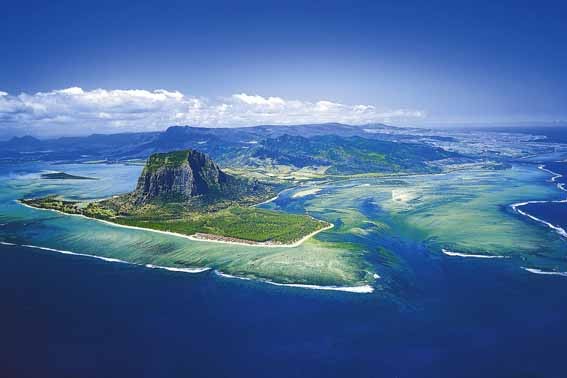
Trust is climate infrastructure: What Mauritius teaches us about building truly resilient communities
Communities that trust their institutions are more willing to participate, collaborate, adapt, and recover. Communities that do not trust them remain vulnerable, regardless of how much climate finance is mobilised.
October 6, 2026

Yurok Nation returns a vital creek and watershed to major salmon run
We love our fish. We love our natural resources. We love our culture. And we’re not shy about showing it. That’s what Blue Creek means to us. That’s who we are.
September 29, 2026
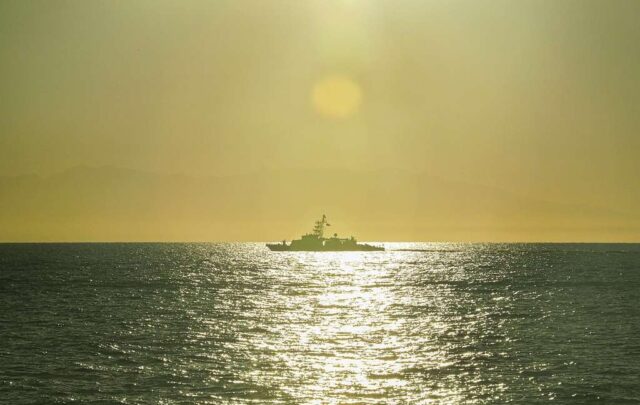
At the mouth of the Red Sea, the chokepoint where global crises converge
Historically, the Red Sea and the Bab el-Mandeb Strait have been a strategic region for trade and political dominance; today, we are still shaped by their influence as we remain fragilely interconnected.
September 25, 2026


Comments
We changed commenting systems on September 10, 2026 as part of a site-wide functionality and security upgrade. Your past comments have not disappeared, and you can still log in with your old Disqus account credentials if you wish. Contact us with any questions.