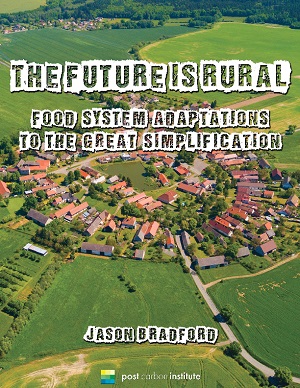
Dr. Jason Bradford, a farmer, biologist and board president of Post Carbon Institute, released a report earlier this spring called, The Future Is Rural: Food System Adaptations to the Great Simplification. In the report Dr. Bradford acknowledges that our modern food system is entirely unsustainable. But, he then takes the argument one step further and considers key, commonly overlooked factors that would logistically prevent simply replacing fossil fuels with renewable energy in order to maintain our food system as it is today. Tune in as Jill Buck of Go Green Radio talks with Dr. Bradford about his report and an upcoming event designed to identify and discuss key leverage points where individuals and communities can most effectively shift our food system towards long-term sustainability through greater energy efficiency and localization.
Related Articles
'SELECT SQL_CALC_FOUND_ROWS wp_posts.ID
FROM wp_posts LEFT JOIN wp_term_relationships ON (wp_posts.ID = wp_term_relationships.object_id)
WHERE 1=1 AND wp_posts.ID NOT IN (3477081) AND (
wp_term_relationships.term_taxonomy_id IN (3,4,8988,8992,8997)
) AND wp_posts.post_type = \'post\' AND ((wp_posts.post_status = \'publish\'))
GROUP BY wp_posts.ID
ORDER BY wp_posts.post_date DESC
LIMIT 0, 3'
By Tom Murphy, Do the Math
Much of science is in the service of modernity, producing remarkable short-term advantages for humans generally at the expense of the rest of the community of life.
October 5, 2026
By Alexis Lathem, Resilience.org
Cities cannot feed themselves, thus people who live in cities will be forever detached from the problems that come with extracting the resources they depend on and producing the food they eat.
October 2, 2026
By Frank Kaminski, Mud City Press
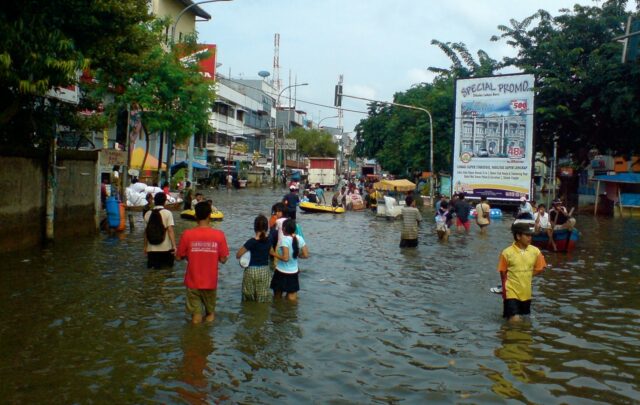
Water, that vital element, is an invasive presence in the documentary Displaced on the Island of Java: A Village Sinking into the Sea.
October 1, 2026




Comments
We changed commenting systems on September 10, 2026 as part of a site-wide functionality and security upgrade. Your past comments have not disappeared, and you can still log in with your old Disqus account credentials if you wish. Contact us with any questions.