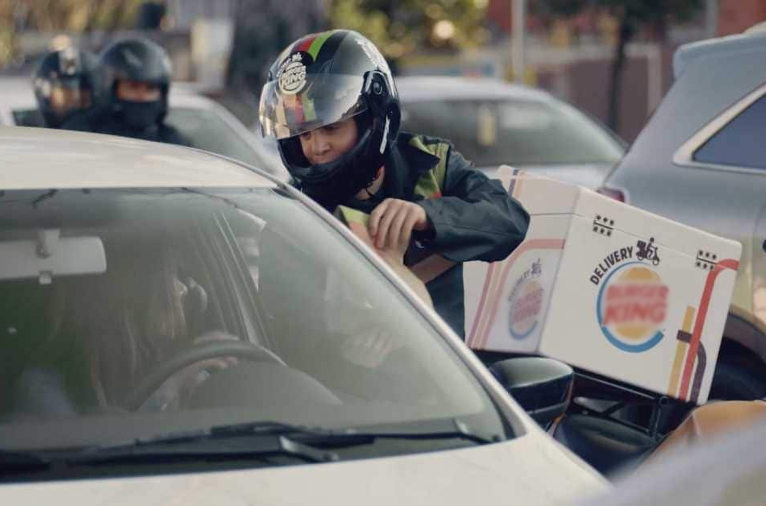
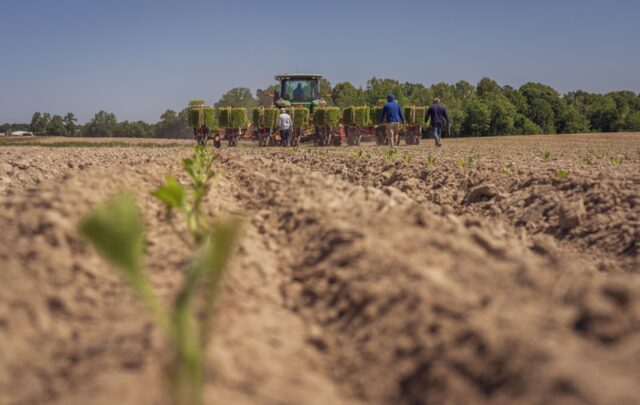
You know what drives Jason really crazy about auto traffic? No, it’s not the 42 hours per year that the average commuter wastes stuck in it or even the global warming pollution spewed, it’s the 3 BILLION (with a B people!) gallons of fuel that are wasted instead of helping with the transition of our food system. In this episode, Rob, Asher, and Jason talk about why fossil fuels are so embedded in our food system and how changes in the way we grow food might change where all of us live. This episode is designed especially for people who like to eat food and hope to continue doing so.
Read Jason Bradford’s The Future Is Rural for a comprehensive report on the food system and needed changes.
Source of statistic that US farmers represent 1% of population: USDA (2014) 2012 Census of Agriculture. United States Summary and State Data. Volume 1, Geographic Area Series, Part 51.; U.S. Census Bureau (2012) “Population Estimates, Detailed Tables.
Food, Energy and Society, revised edition. Pimentel and Pimentel, eds, 1996, quote: “During the age of the Pharaohs and pyramid projects, ancient Egypt had a population of 3 million. About 95 percent of society was involved in agriculture. The surplus energy of about 5 percent was utilized for the Pharaohs and the construction of the great pyramids.” pg 5
New York to Egypt energy reference: Pierre Chomat, Oil Addiction: the World in Peril (Universal Publishers, 2004). The reference is on pages 14-15.
Asher became the Executive Director of Post Carbon Institute in October 2008, after having served as the manager of our former Relocalization Network program. He’s worked in the nonprofit sector since 1996 in various capacities. Prior to joining Post Carbon Institute, Asher founded Climate Changers, an organization that inspires people to reduce their impact on the climate by focusing on simple and achievable actions anyone can take.
Tags: Crazy Town, creating resilient food and farming systems
Related Articles
'SELECT SQL_CALC_FOUND_ROWS wp_posts.ID
FROM wp_posts LEFT JOIN wp_term_relationships ON (wp_posts.ID = wp_term_relationships.object_id)
WHERE 1=1 AND wp_posts.ID NOT IN (3477039) AND (
wp_term_relationships.term_taxonomy_id IN (4,8988,8992,8997,46432,47210,47212,47214,47441,47503,47544)
) AND wp_posts.post_type = \'post\' AND ((wp_posts.post_status = \'publish\'))
GROUP BY wp_posts.ID
ORDER BY wp_posts.post_date DESC
LIMIT 0, 3'
There is a new energy among our younger citizens to seek a more meaningful life in the country. Now is the time to take advantage of their new-found passion to live and work in a rural community.
What would it actually mean to live with less? Can we preserve the things we value most—health, human rights, cultural diversity, individual freedom—without preserving the system that created them?
Cities cannot feed themselves, thus people who live in cities will be forever detached from the problems that come with extracting the resources they depend on and producing the food they eat.
October 2, 2026
Comments
We changed commenting systems on September 10, 2026 as part of a site-wide functionality and security upgrade. Your past comments have not disappeared, and you can still log in with your old Disqus account credentials if you wish. Contact us with any questions.




Comments
We changed commenting systems on September 10, 2026 as part of a site-wide functionality and security upgrade. Your past comments have not disappeared, and you can still log in with your old Disqus account credentials if you wish. Contact us with any questions.