

Occam’s Razor is a principle that tells us that the simplest solution to a problem tends to be the correct one. Farmers around the world are abiding by this philosophy in droves by practicing agroforesty, an ancient agricultural technique that supports biodiversity while simultaneously sequestering carbon. This week on Sea Change Radio, we learn all about agroforestry from Erik Hoffner, an editor at Mongabay. Hoffner takes a look at examples of agroforestry efforts around the globe, examines recent investments into the sector and shows how it stacks up to large, industrial agricultural systems. As you’ll see, sometimes the best answers are right under our noses the whole time.
Related Articles
'SELECT SQL_CALC_FOUND_ROWS wp_posts.ID
FROM wp_posts LEFT JOIN wp_term_relationships ON (wp_posts.ID = wp_term_relationships.object_id)
WHERE 1=1 AND wp_posts.ID NOT IN (3474443) AND (
wp_term_relationships.term_taxonomy_id IN (4,8988,8992,8997)
) AND wp_posts.post_type = \'post\' AND ((wp_posts.post_status = \'publish\'))
GROUP BY wp_posts.ID
ORDER BY wp_posts.post_date DESC
LIMIT 0, 3'
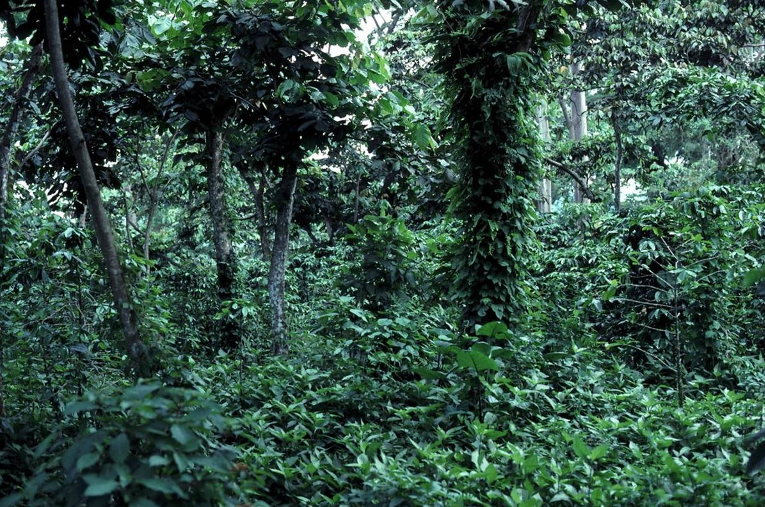
‘The countryside cannot be made a sacrifice zone for the city’: Coming home to part-time farming – book excerpt
Cities cannot feed themselves, thus people who live in cities will be forever detached from the problems that come with extracting the resources they depend on and producing the food they eat.
October 2, 2026

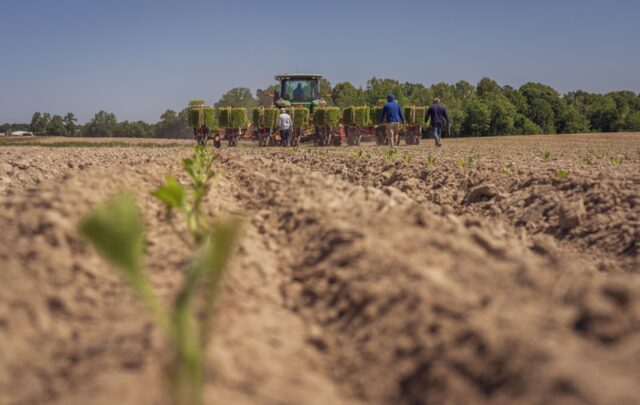
For 6,000 years humanity controlled water. Climate change is changing the equation
As climate change brings more extreme floods, droughts and heatwaves, a growing number of cities are exploring a different path: adapting to water’s rhythms rather than trying to dominate them.
September 30, 2026
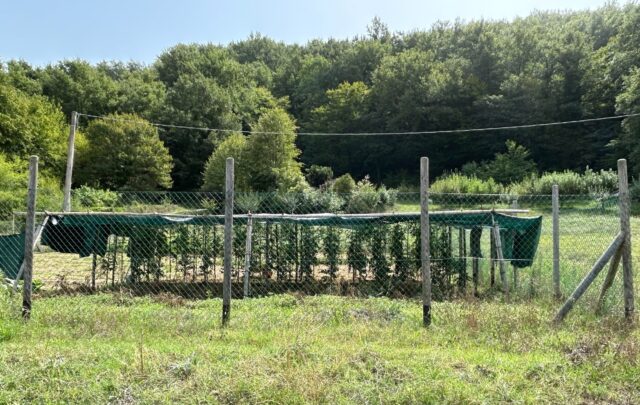
‘Water isn’t enough’: As extreme heat devastates farms, community wisdom is more vital than ever
My intention was to write about simple self-sufficiency, especially when it comes to growing food. But then this summer was challenging in a way I thought I was prepared for… but wasn’t.
September 18, 2026


Comments
We changed commenting systems on September 10, 2026 as part of a site-wide functionality and security upgrade. Your past comments have not disappeared, and you can still log in with your old Disqus account credentials if you wish. Contact us with any questions.