

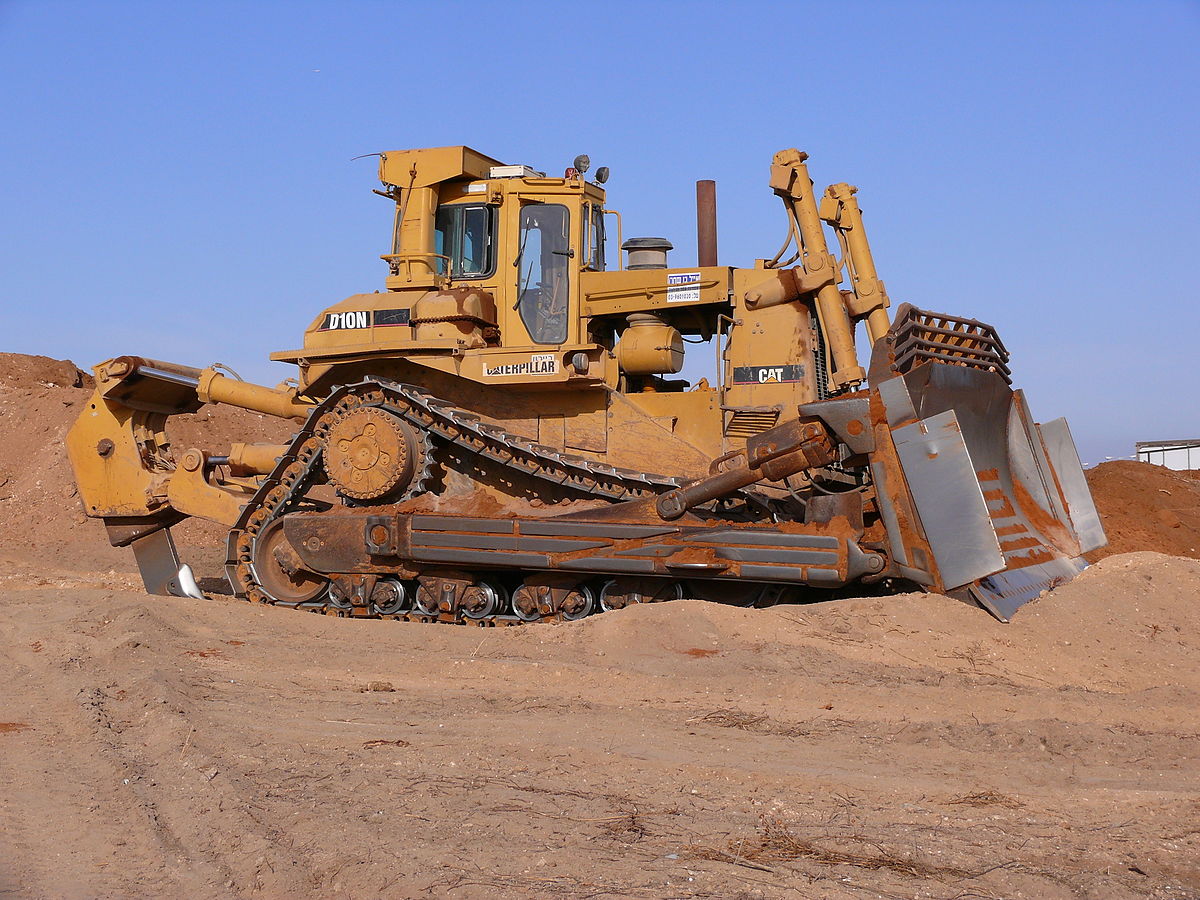
The hawk floats in over the valley with eyes sharply focused for any movement. It’s a ritual performed more out of habit than hoped-for consequence, above this once-teeming feeding ground that is no longer. How does the raptor fathom a clear-cut and soil-stripped landscape? The accipiter’s ancestors have hunted this very ridge and creek for tens of millions of years, but it is now forced to move on by an interloper on a bulldozer. With wings thus clipped, it spirals out of sight and into the past.
Who gave us the right?
Where there were turtles, snakes, foxes, opossums, raccoons; nests with birds of every manner, from titmice to owls; groundhogs, deer, skunks, even kids who waded and swam in the water — they are gone now. Where there was topsoil, rich with earthworms and nutrients, and assorted species of insect and mammalian life — they are gone. Where there was any life in the creek winding through this valley that depended on a healthy ecosystem above its banks, it is gone.
Trees? Gone. Loam, clay, and rock? Gone.
A ridge called by any familiar name? It too is now gone.
Who gave them the right?
Ownership. A quaint term for destruction. That such a right should be asserted by a creature whose lifespan is a mere four-score years, over a wedge of land and ridge formed three-hundred million years in the past — a claim of judge, jury, and executioner for this province nestled between the Cumberland Plateau and the Appalachian Mountains — is pure hubris.
Able to survive and prosper through four million, sixty-two thousand, five hundred lifespans of one single human, this valley, this self-sustaining microcosm, was unable to outlast the machine. It was hobbled and tripped, chewed up and carted away … gone in the blink of a geologic instant.
This right, this wreckage, we leave behind.
Teaser photo credit: By MathKnight – Own work, CC BY-SA 3.0, https://commons.wikimedia.org/w/index.php?curid=4103826



Comments
We changed commenting systems on September 10, 2026 as part of a site-wide functionality and security upgrade. Your past comments have not disappeared, and you can still log in with your old Disqus account credentials if you wish. Contact us with any questions.