Dr. Teresa Ryan draws from her ancestral Tsimtian heritage and her work as a fisheries scientist and natural resource conservation expert. Motivated by the way her forefathers interacted with the environment, Dr. Ryan demonstrates how the synergistic Aboriginal knowledge of cyclic resource production and variability can help promote the sustainable use of fishing resources today.
Dr. Teresa Ryan (Sm’hayetsk) is a Tsimshian scientist, Indigenous knowledge practitioner, and fisheries/aquatic ecologist whose work bridges Indigenous knowledge systems and Western science to advance forest and watershed stewardship. A lecturer in the Faculty of Forestry & Environmental Stewardship at the University of British Columbia, she teaches courses on complex adaptive systems, ecological sustainability, and Indigenous forest and fisheries stewardship.
Related Articles
'SELECT SQL_CALC_FOUND_ROWS wp_posts.ID
FROM wp_posts LEFT JOIN wp_term_relationships ON (wp_posts.ID = wp_term_relationships.object_id)
WHERE 1=1 AND wp_posts.ID NOT IN (4029625) AND (
wp_term_relationships.term_taxonomy_id IN (3,5,47486,47539)
) AND wp_posts.post_type = \'post\' AND ((wp_posts.post_status = \'publish\'))
GROUP BY wp_posts.ID
ORDER BY wp_posts.post_date DESC
LIMIT 0, 3'
Jason, Rob, and Asher explore the world of competitive birding, the relationship between those who love nature and the technology they use to connect to it, and how even the most gentle of shared passions can get corrupted by status-fueled competition.
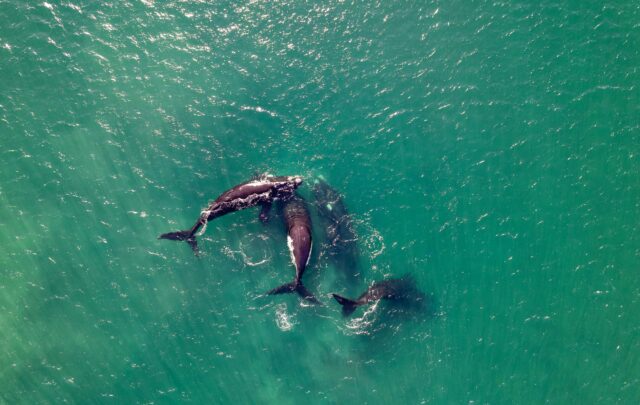
Would you rather have abundant and affordable energy or a clean, healthy planet where wildlife can flourish? It sounds like an either/or choice, but it doesn’t have to be.
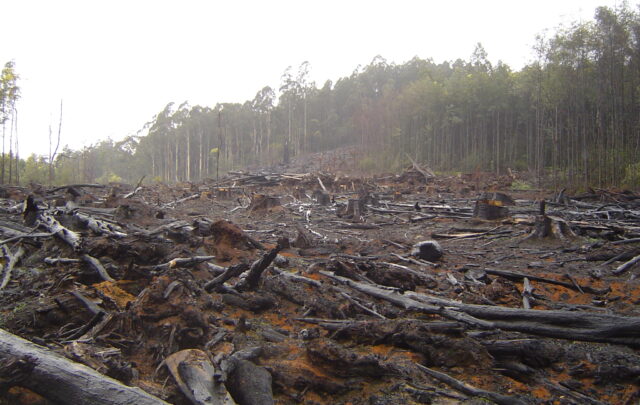
We continue down a path of collective destruction, in part because of a belief system so pervasive it feels like reality itself. Recognizing our deep interconnectedness is essential to building a more just and sustainable future.