That’s according to Peter Kalmus, an atmospheric scientist at NASA’s Jet Propulsion Laboratory, in California. Alarmed by drastic changes in the Earth’s climate systems, Kalmus, embarked on a journey to change his life and the world in the process. He cut his carbon footprint by 90 percent. How did he do it, what insights can he share as we attempt to live less consumptive lives and can he(or we) really be happy with a simpler lifestyle? Doesn’t it involve tremendous sacrifices? He offers a great roadmap to ‘being the change’.
http://becycling.life/
Teaser photo credit: http://becycling.life/
Related Articles
'SELECT SQL_CALC_FOUND_ROWS wp_posts.ID
FROM wp_posts LEFT JOIN wp_term_relationships ON (wp_posts.ID = wp_term_relationships.object_id)
WHERE 1=1 AND wp_posts.ID NOT IN (3469847) AND (
wp_term_relationships.term_taxonomy_id IN (5,8988,8992)
) AND wp_posts.post_type = \'post\' AND ((wp_posts.post_status = \'publish\'))
GROUP BY wp_posts.ID
ORDER BY wp_posts.post_date DESC
LIMIT 0, 3'
By Will Pattiz, More Than Just Parks
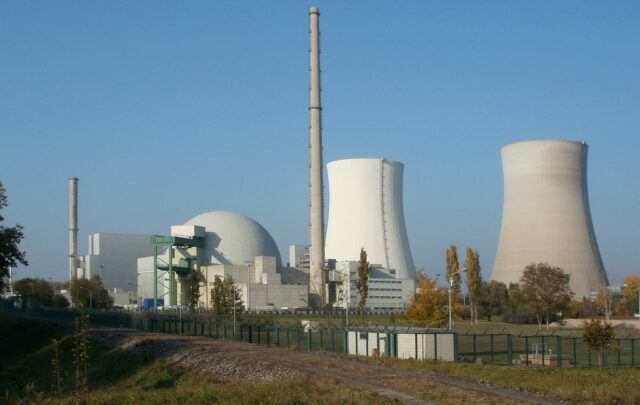
The facility calls for 456 small nuclear reactors, nuclear fuel production and nuclear waste storage. On the same day it surfaced, Sen. Ron Wyden introduced legislation that would ban new data centers.
October 6, 2026
By Nate Hagens, The Great Simplification
What can one person actually do about the metacrisis? In this week’s Frankly, Nate explicitly outlines just a few of the countless actions we can take to actually change what’s coming.
October 6, 2026
By Frances Moore Lappé, Lewis D’Avigdor, Common Dreams
Two major reports released this year tell a grim story: Global freedom continues to decline and the US has lost its longstanding classification a liberal democracy. But hope lies in the data.
October 2, 2026






Comments
We changed commenting systems on September 10, 2026 as part of a site-wide functionality and security upgrade. Your past comments have not disappeared, and you can still log in with your old Disqus account credentials if you wish. Contact us with any questions.