This is the second and final part of a recent conversation with Richard Heinberg by Greening the Apocalypse. Greening the Apocalypse is a weekly show on Melbourne’s Triple R 102.7FM.
Listen to the first part here.
First broadcast on 6 June 2017

Insight and inspiration in turbulent times.
This is the second and final part of a recent conversation with Richard Heinberg by Greening the Apocalypse. Greening the Apocalypse is a weekly show on Melbourne’s Triple R 102.7FM.
Listen to the first part here.
First broadcast on 6 June 2017
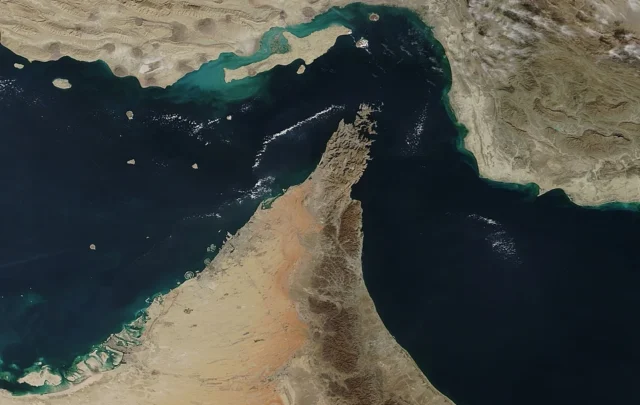
Hence, the severe restrictions in the flow of oil though the Strait of Hormuz, resulting from the recent US-Iranian attacks, may be seen as a stark rehearsal for the consequences of a severe shock in the global oil supply, as might be experienced from a “peak oil” crisis, with volatile price spikes and supply chain disruptions.
March 13, 2026
This is the paradox both Saudi Arabia and the UAE are now navigating. The grey war they are waging — economically, culturally, through regional proxies — is a race to secure the post-oil future before the other does.
March 12, 2026
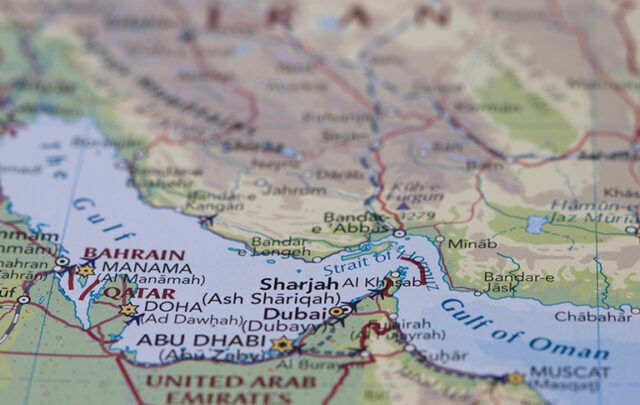
The 24-mile-wide Strait of Hormuz in the Persian Gulf, through which roughly 20 percent of world oil shipments pass, is an obvious pinch point for a vital industrial resource. But it also serves as an apt metaphor for the brittle global supply chains upon which the entire economy depends.
March 12, 2026