

“I guess the grass is itself a child, the produced babe of the vegetation.” Perhaps Walt Whitman had this week’s guests on Sea Change Radio in mind when he wrote those words, as we talk to two entrepreneurs who, in very different ways, are using nature’s bounty for innovative purposes. First, we speak to Hawaiian-based bicycle maker, Barret Werk, who uses bamboo, the strongest grass around, to make his bike frames. Then, we revisit host Alex Wise‘s discussion with Bay Area-based sea forager extraordinaire, Kirk Lombard.

Related Articles
'SELECT SQL_CALC_FOUND_ROWS wp_posts.ID
FROM wp_posts LEFT JOIN wp_term_relationships ON (wp_posts.ID = wp_term_relationships.object_id)
WHERE 1=1 AND wp_posts.ID NOT IN (3467438) AND (
wp_term_relationships.term_taxonomy_id IN (5,8988,8992)
) AND wp_posts.post_type = \'post\' AND ((wp_posts.post_status = \'publish\'))
GROUP BY wp_posts.ID
ORDER BY wp_posts.post_date DESC
LIMIT 0, 3'
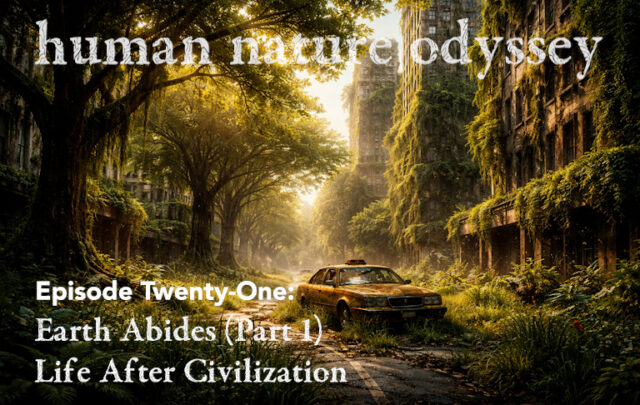
Human Nature Odyssey, Episode 21. Earth Abides (Part 1): Life After Civilization
You ever go on a little trip, to just get away from it all — only to come home and find all of civilization collapsed while you were gone and you might be the last person left on earth? Well then you could totally relate to George R. Stewart’s 1949 science-fiction novel, “Earth Abides.”
April 9, 2026
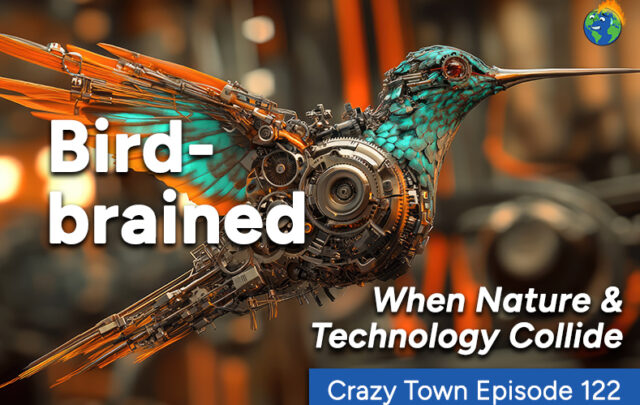
Crazy Town Episode 122. Birdbrained: When nature and technology collide
Jason, Rob, and Asher explore the world of competitive birding, the relationship between those who love nature and the technology they use to connect to it, and how even the most gentle of shared passions can get corrupted by status-fueled competition.
April 8, 2026
Prairie Prophecy: A powerful new film on Wes Jackson and the future of agriculture
A new documentary, Prairie Prophecy, explores the life and work of ecologist Wes Jackson, offering a compelling vision for the future of agriculture, sustainability, and our relationship with the land.
April 6, 2026

