

 “Chickens are naturally forest birds.” A tour of Gord and Ann Baird’s edible landscape starts at the off-grid chicken house and yard, containing fruit trees that provide a protective canopy against flying predators. Roof rainwater becomes drinking water for the chickens, whose “rototilling” has prepared land now being planted in grains — for themselves and people. Don’t miss Hannah Hen catching a berry in mid-air! Then visit a Hobbit-ish above-ground root cellar built of cob, where cheeses, vegetables, and beer stay cool and dry. Then on to a shipping container shed whose sunny living roof produces a bounty of winter squashes. The roof’s nutrient-rich rainwater is caught in a barrel, then used as compost tea (fertilizer) for other plants. “It’s all connected,” says Ann. “We’re connected to the chickens, and they and we are connected to the land…. The biodiversity here is actually increasing.” [www.eco-sense.ca]. Episode 289.

Related Articles
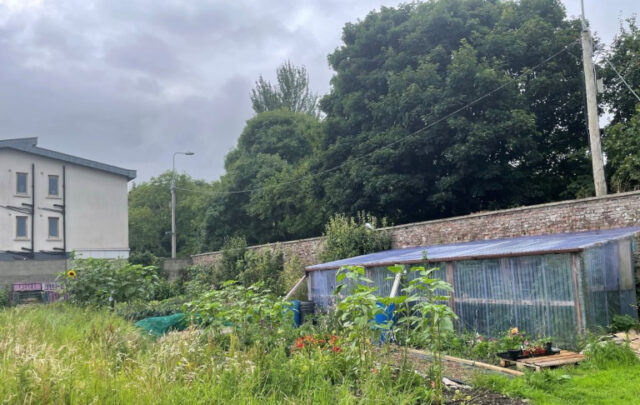
Sustainable gardening in the real world
There are many answers, and maybe none are completely right. But some of them are better than others. You find something that works for you and your land because you kept working at it. That is what most advice leaves out, and that is where the real work is.
March 27, 2026
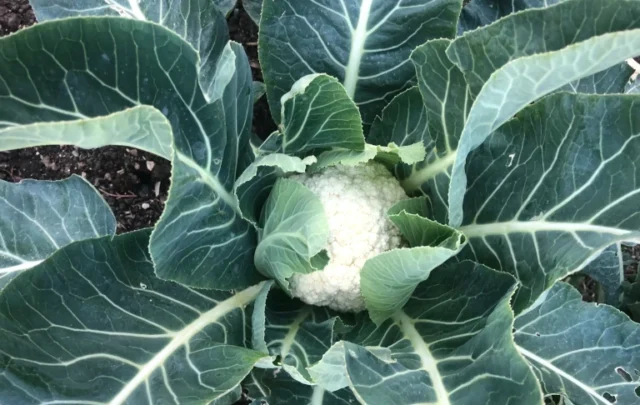
Finding Home Part II: Food
To be clear, a sustainable farmer does not grow food. With adequate nutrition from the soil, with energy from the sun, and moisture from the rain, plants do all the growing by themselves. And animals grow by acquiring the energy and nutrition from plants.
March 26, 2026
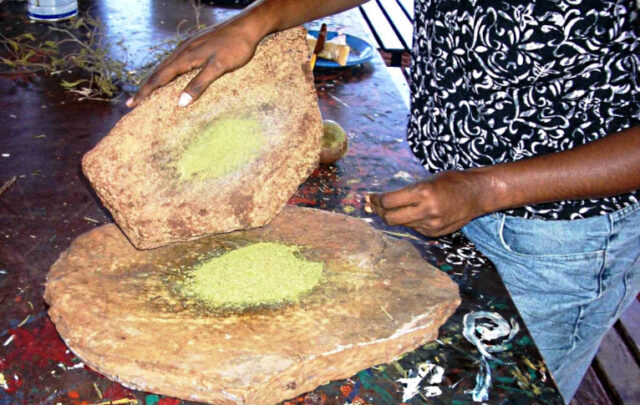
Foragers and farmers: further thoughts on a debate with Tom Murphy
As I’ve emphasized repeatedly here, the fundamental problem isn’t the contextual distinction between farming and foraging. It’s the way that predatory states exploit both. But now we need to find more resilient, local, stress-tolerant strategies.
March 24, 2026

