

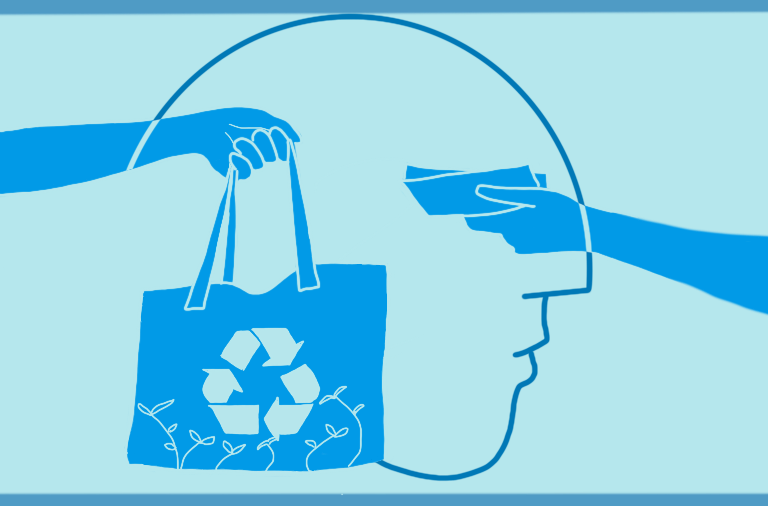

The soil of our food system provides the roots of our culture. Without soil, our modern lifestyle would cease to exist. As climate change accelerates rates of soil erosion, will the global population be left as a stranded asset? As we fail to describe the real cost of cheap food through our vocabulary and economics, and true value of land is lost in the equation. Can we change our language and culture in time to create a new practice of sustainable farming and eating?
Extraenvironmentalist #86 closes out our coverage of the recent Slow Money National gathering through discussing the farm bill, culture, and the language of sustainability. We first hear from a panel with poet, farmer and author Wendell Berry, Maine Representative Chellie Pingree and Louisville, KY Mayor Greg Fischer. Then, a session on culture covers how our society is shaped by expectations and approaches to food. Our final piece from the conference features Douglas Gayeton discussing the Lexicon of Sustainability.
This is part 3 of a series on this conference. List to Part 1, Part 2.





Comments
We changed commenting systems on September 10, 2026 as part of a site-wide functionality and security upgrade. Your past comments have not disappeared, and you can still log in with your old Disqus account credentials if you wish. Contact us with any questions.