

The Southern Williamette Bean and Grain Project is exploring bean, grain, and edible seed varieties which can be added to those already grown in Oregon’s Willamette Valley. Oregon Tilth co-founder and farmer Harry MacCormack shares wisdom and stories about farms transitioning from chemical to organic farming. His book The Transition Document: Toward a Biologically Resilient Agriculture is a compendium of organic practices, like using compost tea to feed soil micro-organisms. Dan Armstrong, the author of Prairie Fire, notes that the project aims to increase the diversity of staple crops and add resilience to the regional food system. Episode 248. [sunbowfarm.org, mudcitypress.com, tilth.org].

Related Articles
'SELECT SQL_CALC_FOUND_ROWS wp_posts.ID
FROM wp_posts LEFT JOIN wp_term_relationships ON (wp_posts.ID = wp_term_relationships.object_id)
WHERE 1=1 AND wp_posts.ID NOT IN (1968006) AND (
wp_term_relationships.term_taxonomy_id IN (4)
) AND wp_posts.post_type = \'post\' AND ((wp_posts.post_status = \'publish\'))
GROUP BY wp_posts.ID
ORDER BY wp_posts.post_date DESC
LIMIT 0, 3'
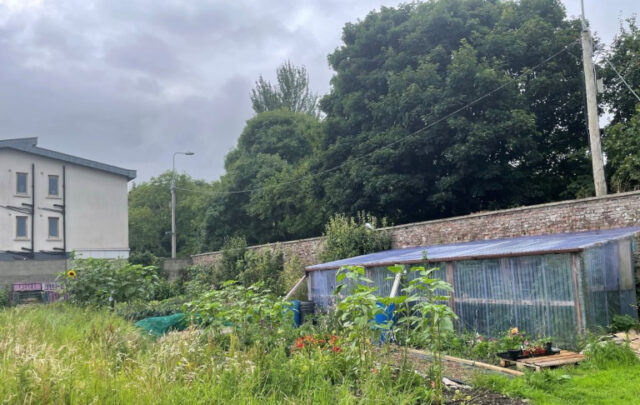
Sustainable gardening in the real world
There are many answers, and maybe none are completely right. But some of them are better than others. You find something that works for you and your land because you kept working at it. That is what most advice leaves out, and that is where the real work is.
March 27, 2026
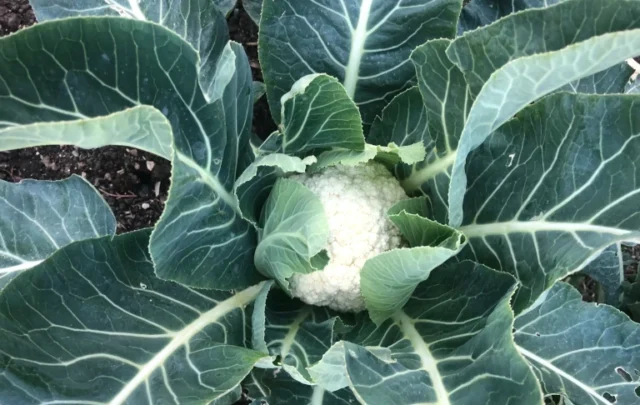
Finding Home Part II: Food
To be clear, a sustainable farmer does not grow food. With adequate nutrition from the soil, with energy from the sun, and moisture from the rain, plants do all the growing by themselves. And animals grow by acquiring the energy and nutrition from plants.
March 26, 2026
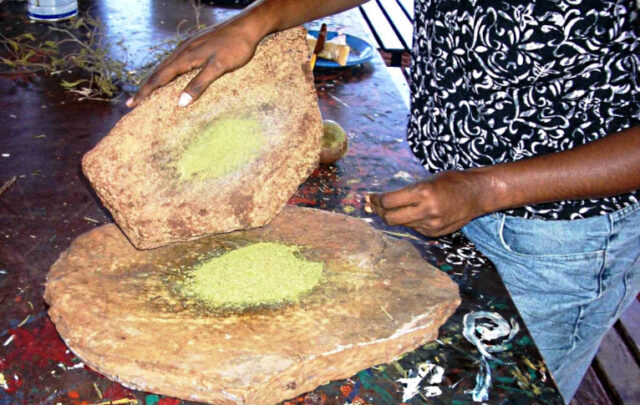
Foragers and farmers: further thoughts on a debate with Tom Murphy
As I’ve emphasized repeatedly here, the fundamental problem isn’t the contextual distinction between farming and foraging. It’s the way that predatory states exploit both. But now we need to find more resilient, local, stress-tolerant strategies.
March 24, 2026

