

For over forty years, Nash Huber has grown healthy plants, soil, seeds — and now future farmers. He nurtures soil fertility with compost, cover crops and chicken tractors. He saves seeds from plants that are best suited to local growing conditions — that’s how he developed his own variety of purple kale. He rotates crops in various plots, so soil can be given a rest and replenish depleted nutrients. As for future farmers, Nash says it takes ten years minimum for young folks to learn how to farm — all hands-on, of course. Episode 245. [nashsorganicproduce.com].

Related Articles
'SELECT SQL_CALC_FOUND_ROWS wp_posts.ID
FROM wp_posts LEFT JOIN wp_term_relationships ON (wp_posts.ID = wp_term_relationships.object_id)
WHERE 1=1 AND wp_posts.ID NOT IN (1924985) AND (
wp_term_relationships.term_taxonomy_id IN (4)
) AND wp_posts.post_type = \'post\' AND ((wp_posts.post_status = \'publish\'))
GROUP BY wp_posts.ID
ORDER BY wp_posts.post_date DESC
LIMIT 0, 3'
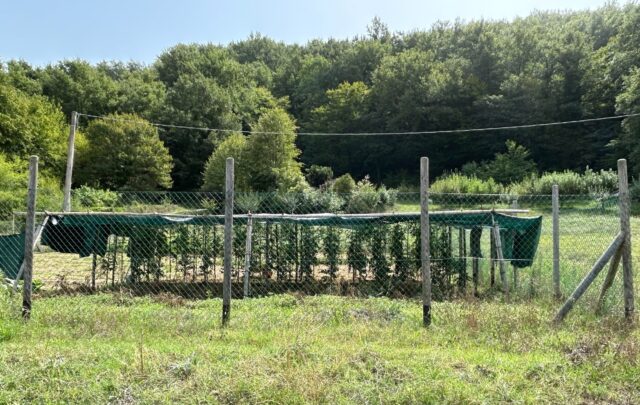
‘Water isn’t enough’: As extreme heat devastates farms, community wisdom is more vital than ever
My intention was to write about simple self-sufficiency, especially when it comes to growing food. But then this summer was challenging in a way I thought I was prepared for… but wasn’t.
September 18, 2026
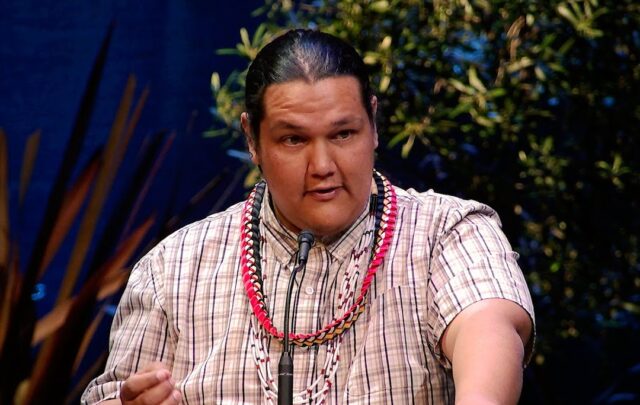
Sammy Gensaw: The restorative revolution and a river of reciprocity
In this keynote address, Indigenous activist Sammy Gensaw shares his experiences working for ecological and cultural revival along the Klamath River, central to his people’s identity and livelihood.
September 17, 2026
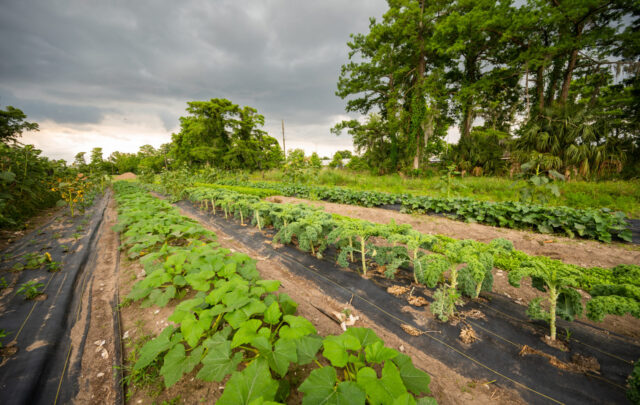
Proposed Federal changes to grant rules increase uncertainty and risks for farmers
Funding freezes, grant terminations, program cancellations, and a woefully understaffed USDA have disrupted the programs and services farmers and rural communities rely on to build environmentally resilient and economically viable businesses.
September 1, 2026


Comments
We changed commenting systems on September 10, 2026 as part of a site-wide functionality and security upgrade. Your past comments have not disappeared, and you can still log in with your old Disqus account credentials if you wish. Contact us with any questions.