
Michael Shuman presented to a crowd about local investing and ways to create wealth in a community. His talk on October 10 was the kickoff event for Vermont’s New Economy Week 2013.

Insight and inspiration in turbulent times.
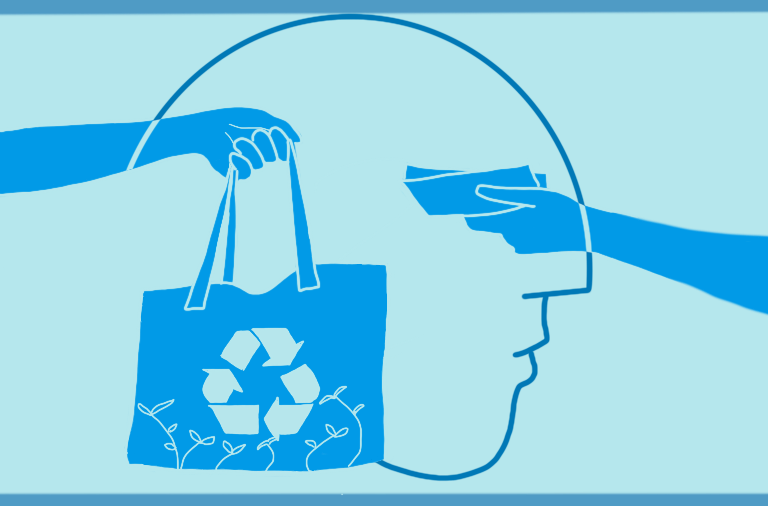
Michael Shuman presented to a crowd about local investing and ways to create wealth in a community. His talk on October 10 was the kickoff event for Vermont’s New Economy Week 2013.
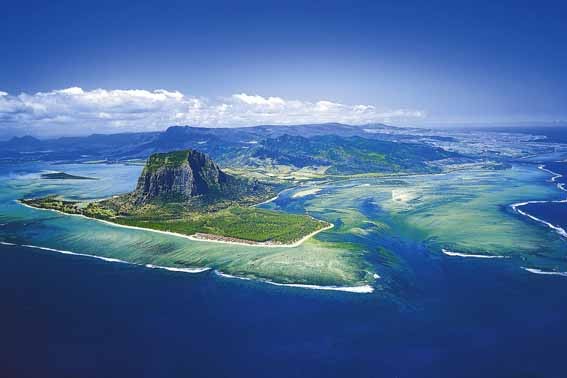
Communities that trust their institutions are more willing to participate, collaborate, adapt, and recover. Communities that do not trust them remain vulnerable, regardless of how much climate finance is mobilised.
October 6, 2026

Historically, the Red Sea and the Bab el-Mandeb Strait have been a strategic region for trade and political dominance; today, we are still shaped by their influence as we remain fragilely interconnected.
September 25, 2026
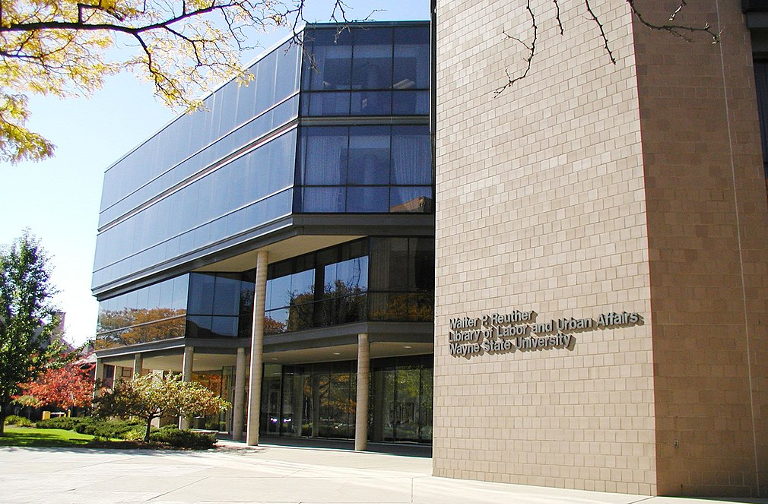
Labor activists take steps to preserve the documents and strategies they use today, so future organizers will have a practical guide.
September 8, 2026


Comments
We changed commenting systems on September 10, 2026 as part of a site-wide functionality and security upgrade. Your past comments have not disappeared, and you can still log in with your old Disqus account credentials if you wish. Contact us with any questions.