

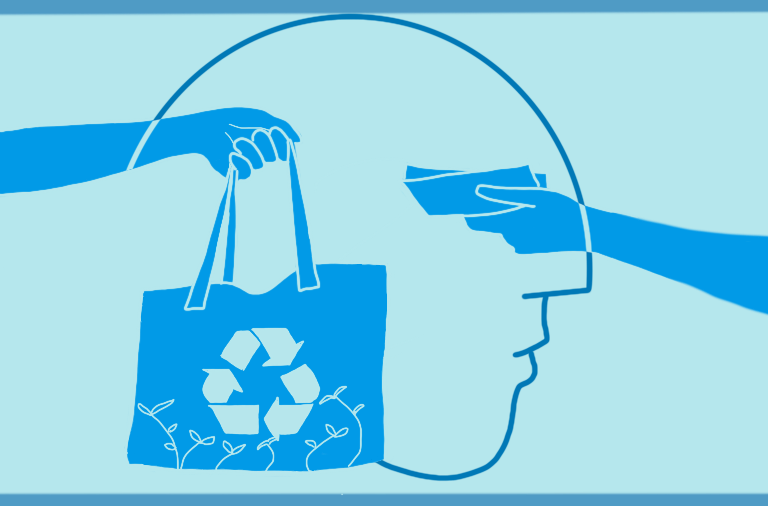

A massive pile of accumulated debts and a global credit bubble are tearing apart our politics and societies. As illusory wealth continues to evaporate, a battle ensues between creditors that lent too much and a rapidly growing class of debt serfs. With the ability for reform appearing increasingly futile, a systemic crisis has created paralysis on the edge of an abyss. What do the examples of previous indebted empires tell us? Can we create an alternative to a neoliberal philosophy that ends in neofeudalism?
In Extraenvironmentalist #67 we discuss the implications of the bursting global credit bubble with economist and historian Michael Hudson. Our conversation covers many of the themes in Hudson’s new book, The Bubble and Beyond which covers the process of quantitative easing, neofeudalism and more. Then we speak with Nate Hagens, the former lead editor of the Oil Drum and an expert on global resource depletion. Nate describes why the relationship between energy and debt will increasingly lead to defaults as slowing growth means debts won’t be serviced.




Comments
We changed commenting systems on September 10, 2026 as part of a site-wide functionality and security upgrade. Your past comments have not disappeared, and you can still log in with your old Disqus account credentials if you wish. Contact us with any questions.