NOTE: Images in this archived article have been removed.
This essay comes from the book ENERGY: Overdevelopment and the Delusion of Endless Growth Published by the Foundation for Deep Ecology in collaboration with Watershed Media and Post Carbon Institute.
Download Tar Sands, Pipelines and the Threat to First Nations
Threat to First Nations – Winona LaDuke by Post Carbon Institute
 Read more and take action at energy-reality.org
Winona LaDuke is a rural development economist working on issues of economic, food, and energy sovereignty. She lives and works on the White Earth reservation in northern Minnesota, and leads several organizations including Honor the Earth, Anishinaabe Agriculture Institute, Akiing, and Winona’s Hemp. These organizations develop and model cultural-based sustainable development strategies utilizing renewable energy and sustainable food systems. She is an international thought leader in the areas of climate justice, renewable energy, and environmental justice. She is also a leader in the work of protecting Indigenous plants and heritage foods from patenting and genetic engineering. She has authored six books including; Recovering the Sacred, All our Relations, Last Standing Woman, and her newest work, The Winona LaDuke Chronicles.
Tags: energy-reality, indigenous communities, Tar Sands
Related Articles
'SELECT SQL_CALC_FOUND_ROWS wp_posts.ID
FROM wp_posts LEFT JOIN wp_term_relationships ON (wp_posts.ID = wp_term_relationships.object_id)
WHERE 1=1 AND wp_posts.ID NOT IN (1640355) AND (
wp_term_relationships.term_taxonomy_id IN (1)
) AND wp_posts.post_type = \'post\' AND ((wp_posts.post_status = \'publish\'))
GROUP BY wp_posts.ID
ORDER BY wp_posts.post_date DESC
LIMIT 0, 3'
By Bart Hawkins Kreps, An Outside Chance
Mitchell’s new book reinforces this essential point. We must see through the alibi of capital, we must reclaim society from the grip of the economy, and we must change the rules of the game to save our collective future.
October 9, 2026
By James Murphy, James Murphy on Substack
The messages and body of work that Richard leaves behind encourage us all to keep striving, creating, and living well within our planet’s limits.
October 8, 2026
By Will Pattiz, More Than Just Parks
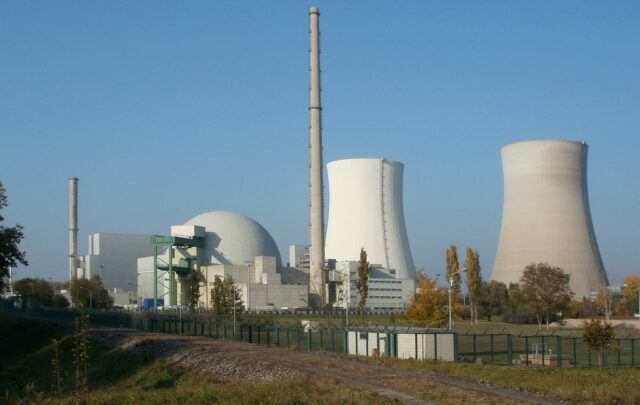
The facility calls for 456 small nuclear reactors, nuclear fuel production and nuclear waste storage. On the same day it surfaced, Sen. Ron Wyden introduced legislation that would ban new data centers.
October 6, 2026





Comments
We changed commenting systems on September 10, 2026 as part of a site-wide functionality and security upgrade. Your past comments have not disappeared, and you can still log in with your old Disqus account credentials if you wish. Contact us with any questions.