

In Extraenvironmentalist #31 we speak with Dr. Joseph Tainter about collapse, complexity and energy. Dr. Tainter recently co-authored Drilling Down which explains why the BP Gulf Oil spill occurred in terms of the complexity that supports our society. We discuss concepts of complexity, energy and a meaningful definition of sustainability. In our conversation, Dr. Tainter covers the dynamics of the Roman Empire as it moved further down the road of collapse; debasing its currency and unraveling due the expenses of foreign wars. Seth and I ask if energy alternatives exist that can support civilization, such as from using solar photovoltaics or wind power. If they can’t, are we trapped in a complexity spiral with no way out?


Related Articles
'SELECT SQL_CALC_FOUND_ROWS wp_posts.ID
FROM wp_posts LEFT JOIN wp_term_relationships ON (wp_posts.ID = wp_term_relationships.object_id)
WHERE 1=1 AND wp_posts.ID NOT IN (1217709) AND (
wp_term_relationships.term_taxonomy_id IN (1)
) AND wp_posts.post_type = \'post\' AND ((wp_posts.post_status = \'publish\'))
GROUP BY wp_posts.ID
ORDER BY wp_posts.post_date DESC
LIMIT 0, 3'
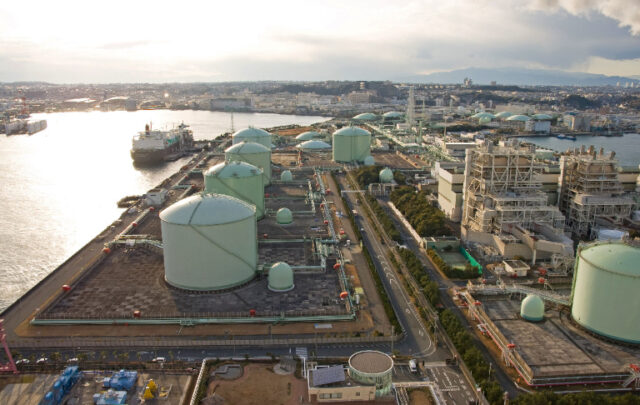
Infrastructure, finance, and the sale of the future
Mitchell’s new book reinforces this essential point. We must see through the alibi of capital, we must reclaim society from the grip of the economy, and we must change the rules of the game to save our collective future.
October 9, 2026

Remembering Richard Heinberg: Why I made degrowth art in his memory
The messages and body of work that Richard leaves behind encourage us all to keep striving, creating, and living well within our planet’s limits.
October 8, 2026
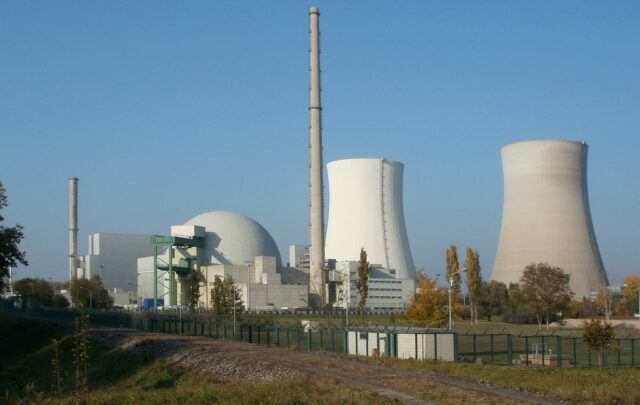
9,000-acre nuclear-powered data center proposed on public lands in Utah
The facility calls for 456 small nuclear reactors, nuclear fuel production and nuclear waste storage. On the same day it surfaced, Sen. Ron Wyden introduced legislation that would ban new data centers.
October 6, 2026


Comments
We changed commenting systems on September 10, 2026 as part of a site-wide functionality and security upgrade. Your past comments have not disappeared, and you can still log in with your old Disqus account credentials if you wish. Contact us with any questions.