
NOTE: Images in this archived article have been removed.

Created by: Healthcare Management Degree
Go to the original site if you want the Embed Code. The graphic is licensed under Creative Commons.
-BA

Insight and inspiration in turbulent times.

Created by: Healthcare Management Degree
Go to the original site if you want the Embed Code. The graphic is licensed under Creative Commons.
-BA

A thriving village is a collective creation. People, place, participation, creativity, and inclusion are the ingredients.
October 9, 2026
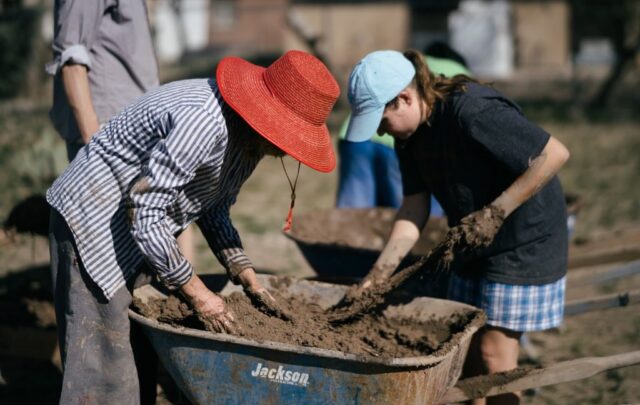
An Arizona community’s plan to reuse an invasive weed to construct low-income housing shows that when we can’t pressure the top, we can rebuild from the bottom.
October 7, 2026
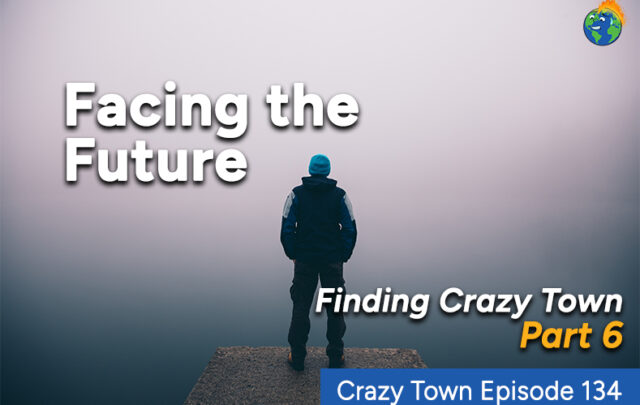
What would it actually mean to live with less? Can we preserve the things we value most—health, human rights, cultural diversity, individual freedom—without preserving the system that created them?
October 7, 2026


Comments
We changed commenting systems on September 10, 2026 as part of a site-wide functionality and security upgrade. Your past comments have not disappeared, and you can still log in with your old Disqus account credentials if you wish. Contact us with any questions.