

A two part conversation between Richard Heinberg, author of Peak Everything, The Party’s Over and the newly published The End of Growth, and James Howard Kunstler. The conversation covers peak oil, financial dysfunction, political convulsions, generational conflict, techno-grandiosity, the fate of industrial agriculture and the suburban living arrangement. Heinberg also reacts to being labeled a “Doomer.”.

Related Articles
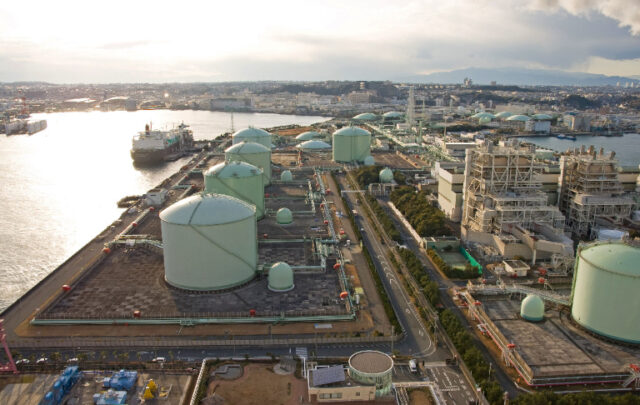
Infrastructure, finance, and the sale of the future
Mitchell’s new book reinforces this essential point. We must see through the alibi of capital, we must reclaim society from the grip of the economy, and we must change the rules of the game to save our collective future.
October 9, 2026
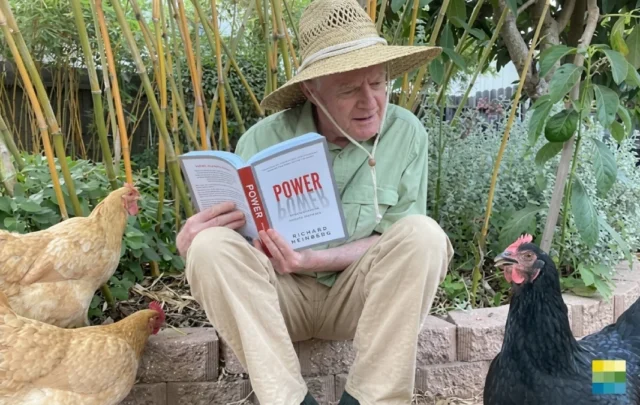
Remembering Richard Heinberg: Why I made degrowth art in his memory
The messages and body of work that Richard leaves behind encourage us all to keep striving, creating, and living well within our planet’s limits.
October 8, 2026
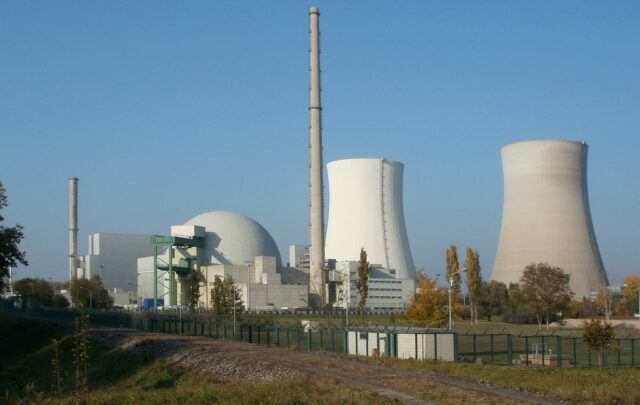
9,000-acre nuclear-powered data center proposed on public lands in Utah
The facility calls for 456 small nuclear reactors, nuclear fuel production and nuclear waste storage. On the same day it surfaced, Sen. Ron Wyden introduced legislation that would ban new data centers.
October 6, 2026


Comments
We changed commenting systems on September 10, 2026 as part of a site-wide functionality and security upgrade. Your past comments have not disappeared, and you can still log in with your old Disqus account credentials if you wish. Contact us with any questions.