


Developments this week
NY crude broke out of the $98-$100 trading range where it has been stuck for the last two weeks to close at $101.37 a barrel on Wednesday, the highest settlement price since May 10th. The catalyst for the move was the weekly stocks report which showed an unexpected 2 million barrel drop in distillate inventories offsetting an unexpected increase of 3.8 million barrels in gasoline inventories. Analysts had been expecting only a 450,000 barrel increase in gasoline stocks.
The markets ignored the gain in gasoline inventories possibly because the larger-than-expected increase in gasoline stocks had been reported by the API Tuesday evening. The new numbers took the US distillate inventory down to 141 million barrels, the lowest in two years. Heating oil futures gained 7 cents a gallon on the news and gasoline futures climbed 2.34 cents a gallon to close at $3.01 – the first time gasoline has closed above $3 since the 50 cent drop from $3.40 two weeks ago. In London, Brent crude settled at $114.93, up nearly $5 from a close of $110 on Monday.
The weekly stocks report also showed US refineries operating at 86.3 percent and processing 14.8 million b/d, the highest level this year. This suggests that US refineries are returning from spring maintenance and that profit margins are improving.
Crude fell $3 a barrel on Monday as increasing fears of a Greek default sent the euro lower, taking oil prices with it. On Tuesday, however, Goldman Sachs announced that it was raising its forecast for oil prices to $140 a barrel by the end of 2012. Goldman’s is basing this projection on increasing demand for oil in Asia and little or no growth in world supply. OPEC will meet again on June 8th, but so far all indications suggest that there will be no formal increase in production.
The torrent of reporting on the seriousness of China’s drought/coal shortage continues unabated. The drought is now said to be the worst in 50 years and numerous Chinese officials and publications are now saying that the power shortage this summer will be worse than the one in 2004. Beijing has issued orders that the Three Gorges dam release 5 billion cubic meters of water by June 10 to relieve the drought and save endangered crops downstream. This of course will add to the electricity shortage this summer as this water will no longer be available to produce hydro power.
Chinese publications are being unusually frank in pointing out that it is the government cap on electricity prices that is behind much of the electricity shortage. Since 2007, Beijing has allowed electricity prices to increase by 15 percent while the price of coal has risen 75 percent. Many electricity companies appear to be defying the government by shutting down generating stations for “maintenance” rather than watch losses balloon. Goldman’s still has the Chinese economy growing by nearly 10 percent this year.
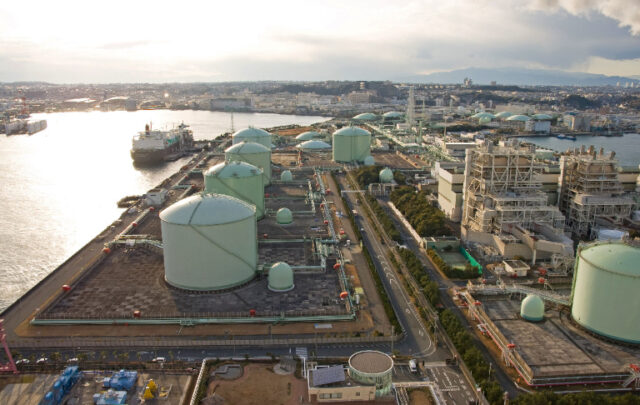
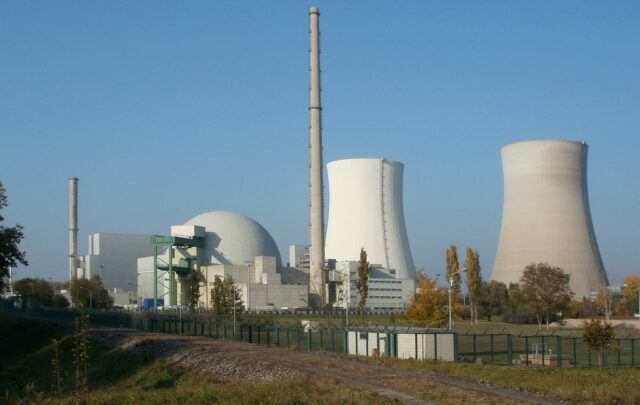
Tokyo electric power has confirmed that the three Fukushima nuclear reactors have melted through their containment vessels and are leaking highly radioactive materials. Japan’s economy is taking a nosedive as a result of the earthquake/tsunami/nuclear mishap. However, it seems almost inevitable that Japan’s imports of fossil fuels will increase rapidly this summer even if industrial production is hurt by the power shortages.




Comments
We changed commenting systems on September 10, 2026 as part of a site-wide functionality and security upgrade. Your past comments have not disappeared, and you can still log in with your old Disqus account credentials if you wish. Contact us with any questions.