

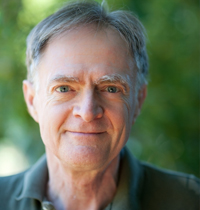
Post Carbon Senior Fellow Richard Heinberg talks about his new book (working title ‘The End of Growth’).
Related Articles
'SELECT SQL_CALC_FOUND_ROWS wp_posts.ID
FROM wp_posts LEFT JOIN wp_term_relationships ON (wp_posts.ID = wp_term_relationships.object_id)
WHERE 1=1 AND wp_posts.ID NOT IN (1217635) AND (
wp_term_relationships.term_taxonomy_id IN (2,8988)
) AND wp_posts.post_type = \'post\' AND ((wp_posts.post_status = \'publish\'))
GROUP BY wp_posts.ID
ORDER BY wp_posts.post_date DESC
LIMIT 0, 3'

Devastating News: The Loss of Richard Heinberg
On Sunday, July 19, we lost our kind, brilliant friend and colleague, Richard Heinberg.
August 4, 2026
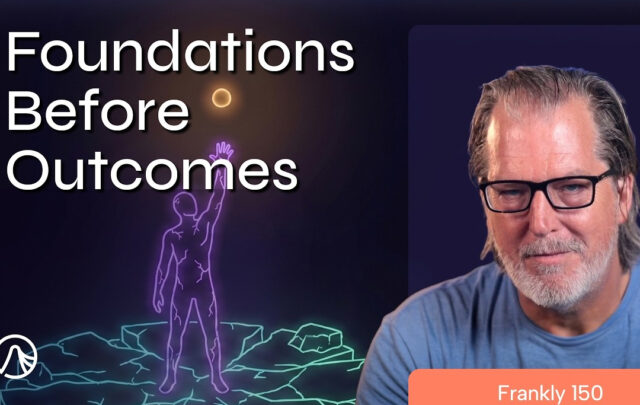
How to Think About the Future – Part 5: How to build resilience from within
Nate scales his exploration of civilizational futures down to the future of a single human life and analyzes how the same patterns that shape economies, power, geopolitics, and Earth systems turn inward.
July 20, 2026
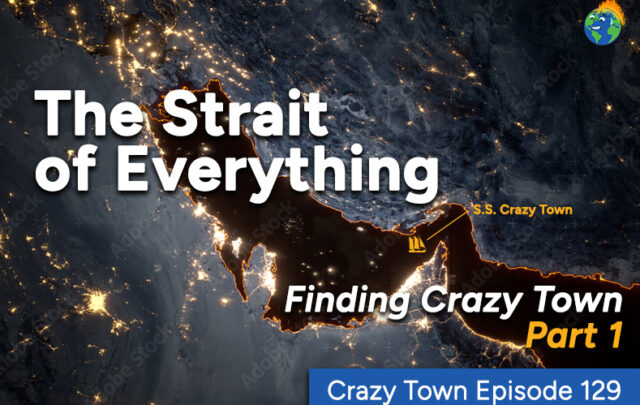
Crazy Town: Episode 129. Finding Crazy Town Part 1: The Strait of Everything
What happens when the global economy depends on fish traveling 10,000 miles, oil flowing through a single strait, and enough cheap fossil fuel energy to build civilizations that previous generations couldn’t even imagine?
July 15, 2026

